
Najib Razak
Malaysian politician Najib Razak served as the country's sixth Prime Minister (2009–2018). His later years were marked by the 1MDB-linked investigations and a 2020 conviction on corruption-related charges.
Overview
Haji Mohammad Najib bin Tun Haji Abdul Razak (born 23 July 1953) is a Malaysian politician who served as the country's sixth Prime Minister from 2009 to 2018. A leading figure in the United Malays National Organisation (UMNO), Najib rose through party and government ranks before heading the Barisan Nasional coalition. For a concise biography see Najib Razak profile and details of his time in office are available here.
Image gallery
10 Images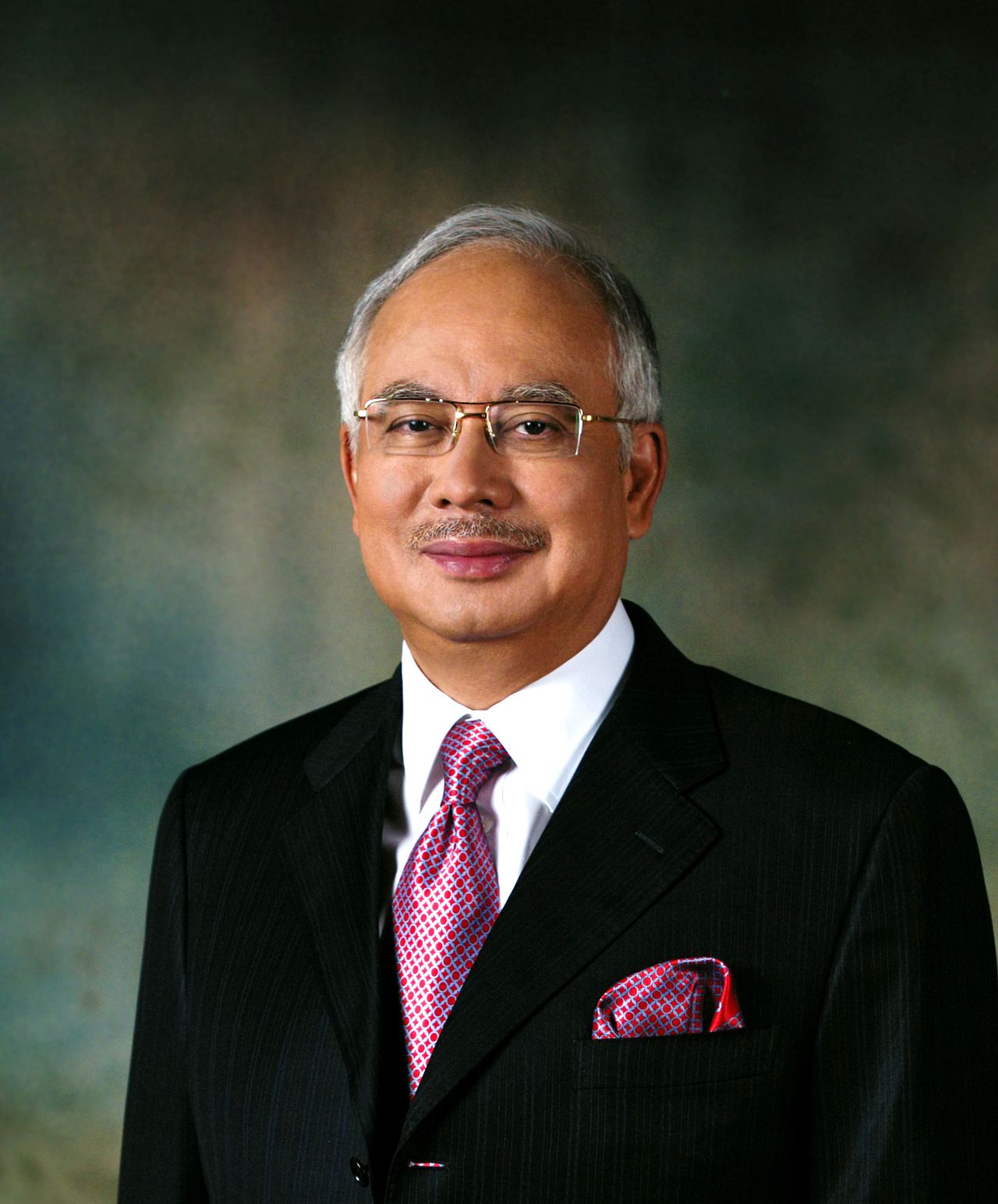


Background and political rise
Born into a prominent political family—his father, Tun Abdul Razak, served as Malaysia's second prime minister—Najib entered public life in the late 20th century. He held a sequence of governmental and party positions typical of senior leaders and eventually became UMNO leader and prime minister. His career reflected both political continuity within Malaysia's ruling establishment and the patronage networks of the era.
Prime ministership
As prime minister Najib emphasized economic growth, infrastructure projects and attracting foreign investment, alongside initiatives aimed at social welfare and national security. His administration promoted modernization efforts and engaged actively in regional diplomacy. Evaluations of his policies vary: proponents credit development initiatives, while analysts note governance challenges and political controversies that intensified over time.
Controversy, election defeat and conviction
Najib's tenure was later overshadowed by allegations tied to state-linked financial entities and governance problems. In the 2018 general election the Barisan Nasional coalition lost power for the first time since independence and Najib faced criminal investigations. On 28 July 2020 a High Court convicted him on seven counts, including abuse of power, money laundering and criminal breach of trust, making him the first Malaysian prime minister to be convicted of corruption-related offences; further information about the trial and rulings can be found here and on financial charges here.
Legacy and significance
Najib remains a polarizing figure in Malaysian public life. Supporters point to infrastructure and development projects from his administration, while critics emphasize judicial findings and questions of accountability. His case has influenced national debates about political corruption, institutional reform and the rule of law.
- Member of a political family and long-time UMNO leader.
- Oversaw major economic and infrastructure initiatives during 2009–2018.
- Defeat in 2018 ended decades of uninterrupted Barisan Nasional rule.
- 2020 conviction set a notable precedent in Malaysia's legal and political history.
Author
AlegsaOnline.com Najib Razak Leandro Alegsa
URL: https://en.alegsaonline.com/art/127367