
Muhammad Iqbal: Poet, Philosopher, and Architect of a Political Idea
Muhammad Iqbal (1877–1938) was a poet-philosopher who wrote in Urdu and Persian, developed the philosophical concept of Khudi, and articulated a political vision that contributed to the creation of Pakistan.
Overview
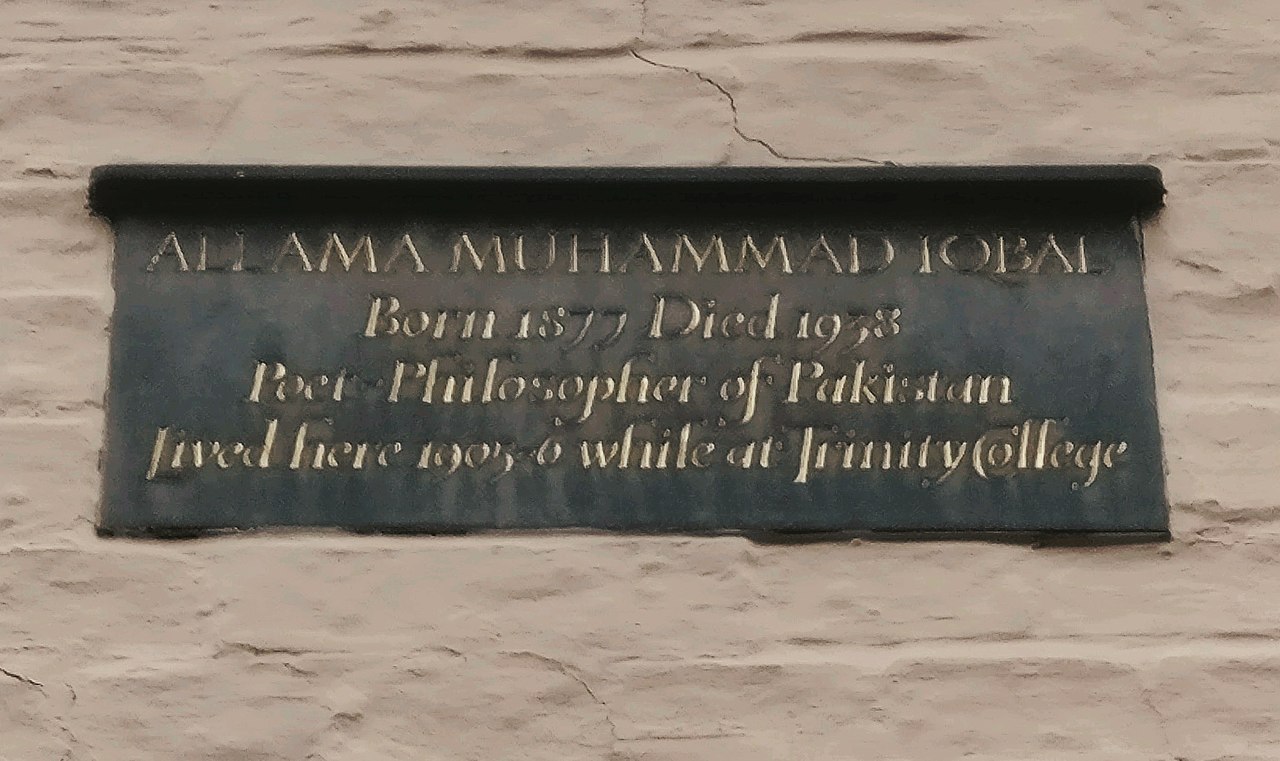
Sir Muhammad Iqbal, commonly called Allama Iqbal (1877–1938), was a major poet, thinker and public intellectual in South Asia. Celebrated for his verse in both Urdu and Persian, he combined classical Islamic learning with modern philosophy and Western ideas to reflect on individual selfhood, communal identity and the spiritual revival of Muslim societies. He is widely remembered for articulating a political vision that helped shape the movement which ultimately led to the creation of Pakistan. Scholars and readers often describe him as both a poet and a philosopher: poet and public intellectual.
Image gallery
10 Images




Life and intellectual formation
Born in the late 19th century in British India, Iqbal studied in Lahore and later pursued further studies in Europe. He took courses in philosophy and law, spent time at institutions in Britain and Germany, and earned a doctorate for work on the philosophical underpinnings of Persian poetry. Returning to India, he taught, practised law for a period and engaged in public debate on religion, culture and politics. His thinking reflected a sustained effort to reconcile spiritual values with contemporary social and political challenges.
Major works and central themes
Iqbal wrote poetry and prose in two languages and produced several influential books. His writing emphasizes self-realization, moral responsibility, freedom and a creative reinterpretation of Islamic tradition. Recurring themes include the development of the self (often discussed under the Persian concept of Khudi), the moral regeneration of society, and the need for political agency among Muslims.
- Prominent poetic works include devotional, didactic and philosophical collections in Urdu and Persian.
- Famous prose and lectures elaborate his philosophical positions and responses to colonial modernity.
Political thought and legacy
Iqbal engaged directly with public affairs and is often credited with articulating the idea of a federated Muslim polity in north-west India; this political conception is seen as a formative influence on the movement for a separate Muslim homeland in South Asia: idea of Pakistan. His poetry and speeches inspired political leaders and became part of broader debates about identity, autonomy and self-determination. After independence Iqbal was honored as a national poet in the successor state that emerged.
Language, influence and distinctions
Iqbal composed poetry in both Urdu and Persian, addressing different audiences and literary traditions: Urdu and Persian. His style ranges from mystical and symbolic to exhortatory and political. He received formal recognition in his lifetime, including a knighthood, and today his works remain studied in literary, religious and philosophical contexts across South Asia and beyond. Readers value him for blending poetic imagination with philosophical argument and for stimulating reflection about modernity, faith and nationhood.
Author
AlegsaOnline.com Muhammad Iqbal: Poet, Philosopher, and Architect of a Political Idea Leandro Alegsa
URL: https://en.alegsaonline.com/art/127289