
Morarji Desai: India's Fourth Prime Minister and Post‑Emergency Leader
Biography of Morarji Desai (1896–1995), Indian independence activist and politician; chief minister, finance minister and the first non-Congress prime minister who led the 1977–79 Janata government.
Morarji Ranchhodji Desai (29 February 1896 – 10 April 1995) was an Indian independence activist and a senior statesman who became the country's fourth prime minister, serving from 1977 to 1979. He is best known for leading the Janata coalition that replaced the Indian National Congress government after the Emergency, and for a public image built around personal austerity, administrative conservatism and an insistence on probity in public life.
Image gallery
9 Images


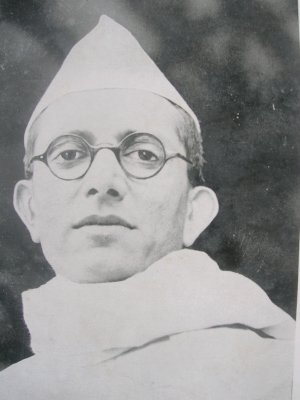
Early life and political rise
Born in Gujarat, Desai took part in independence-era politics and later moved into elective office in the decades after 1947. He held major roles at both the state and national levels, combining administrative experience with a reputation for strict discipline. Over his long career he served in prominent positions in state government and in the Union cabinet before rising to national leadership.
Key offices and responsibilities
- Held senior state office, including leading the Bombay State government.
- Served as a central minister with responsibility for finance and other portfolios.
- Became prime minister as the head of a broad opposition coalition in 1977.
These roles gave Desai a profile as a fiscal conservative and as an administrator who emphasized law, order and accountability. He was widely regarded as incorruptible by supporters, while critics sometimes described his style as paternalistic or blunt.
Prime ministership and political significance
Desai's government is historically significant as the first non‑Congress administration at the national level after independence. It was formed in the aftermath of the Emergency (1975–1977), a period during which many opposition leaders had been jailed and civil liberties constrained. The Janata government under Desai focused on restoring parliamentary procedures, releasing political prisoners, and reversing some Emergency-era measures. Internal differences within the coalition, however, undermined stability and the government fell before the end of its full term.
Policies, personality and legacy
Desai was associated with fiscal restraint, support for cooperative and rural development initiatives, and a personal lifestyle of austerity. He promoted temperance and public morality, and remained a controversial figure for both his firm administrative methods and some unconventional personal health practices reported in later years. His tenure marked a turning point in Indian politics by demonstrating that a multi-party opposition could displace a dominant party at the center.
For more on his period as head of government, see the office of the Prime Minister of India and histories of the Janata era.
Author
AlegsaOnline.com Morarji Desai: India's Fourth Prime Minister and Post‑Emergency Leader Leandro Alegsa
URL: https://en.alegsaonline.com/art/127227