
Montgolfier brothers: pioneers of hot-air ballooning
Joseph‑Michel and Jacques‑Étienne Montgolfier were 18th-century French inventors who developed the first practical hot-air balloons and led the first free manned flight in 1783.
Overview
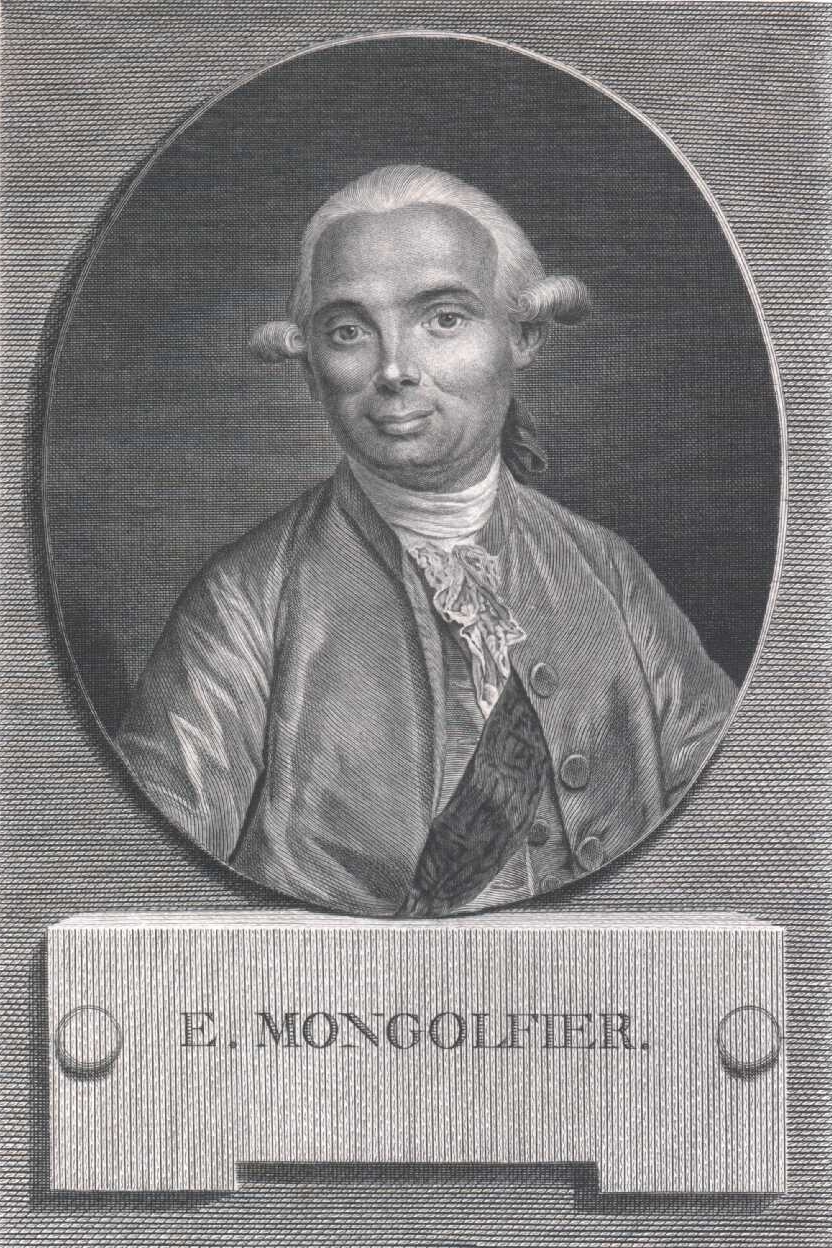
Joseph‑Michel Montgolfier (1740–1810) and his younger brother Jacques‑Étienne Montgolfier (1745–1799) were French inventors and paper manufacturers who devised one of the earliest practical forms of human flight. Working in the 1780s, they built large fabric balloons that rose when air inside them was heated. Their experiments gave rise to the class of aircraft commonly known as hot‑air balloons or montgolfières.
Image gallery
8 Images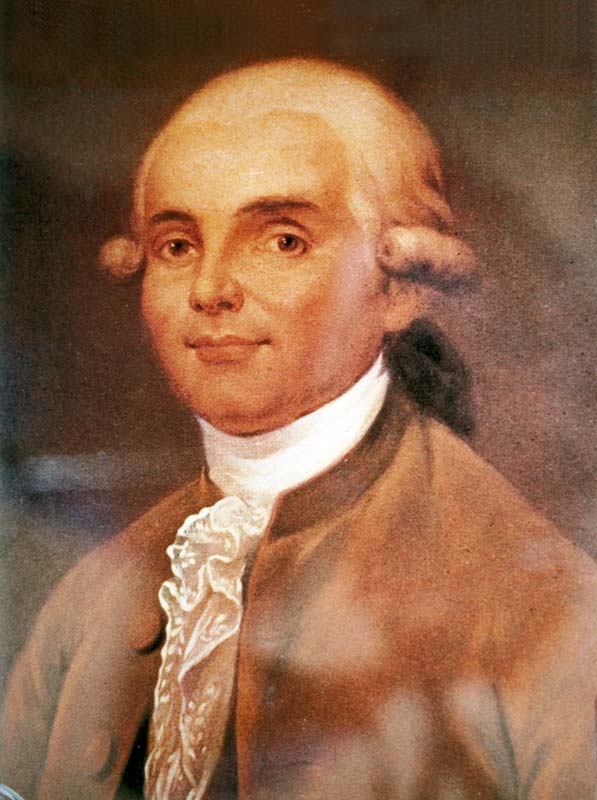


How their balloons worked
The Montgolfiers used lightweight fabrics or paper to make an envelope that contained air heated from a fire or brazier beneath it. Warmed air has lower density than the surrounding cooler air, producing buoyant lift. Early flights relied on open flames burning straw, wool and other materials; the envelope and a wicker gondola carried ballast and, later, passengers. This approach contrasted with hydrogen balloons that used a lighter‑than‑air gas rather than heated air.
Key events and development
The brothers carried out a sequence of demonstrations in 1783, beginning with unmanned trials and progressing to public exhibitions. A famous milestone occurred on 21 November 1783, when a Montgolfière made the first sustained free human flight from Paris, lasting about twenty minutes and traveling several kilometers. Earlier that year they had shown tethered and unmanned flights that captured widespread attention across France and Europe.
Practical uses and cultural impact
Although early balloons were fragile and dependent on weather, they proved that controlled, heavier‑than‑air flight was not the only path to human aerial travel. Balloons were later used for scientific observations, meteorology and limited military reconnaissance. Culturally, ballooning became a popular spectacle and a symbol of the Enlightenment’s technological optimism.
Notable distinctions and legacy
- The term montgolfière is still used in several languages to mean a hot‑air balloon.
- The Montgolfiers were skilled manufacturers, not formally trained scientists; their work combined practical craft with experimentation.
- Later pioneers, such as hydrogen balloon inventors, followed different technical paths, but the Montgolfiers established the viability of carrying people aloft.
For concise introductions and further reading, see a general entry on hot‑air balloons and material about the brothers' first manned flight in 1783. Their achievements remain a foundational chapter in the history of aviation.
Author
AlegsaOnline.com Montgolfier brothers: pioneers of hot-air ballooning Leandro Alegsa
URL: https://en.alegsaonline.com/art/127216