
Mona Sahlin — Swedish Social Democratic politician
Biography of Mona Sahlin: her early life, rise in the Social Democratic Party, ministerial roles, the 1995 Toblerone controversy, party leadership and later legacy.
Overview
Mona Ingeborg Sahlin (born Andersson) is a Swedish politician long associated with the Swedish Social Democratic Party. She was born on March 9, 1957 in Sollefteå, Sweden. Over several decades she held senior party and government positions, became the first woman to lead the Social Democrats nationally, and was a prominent public figure in debates on welfare, labour and social policy.
Image gallery
6 Images


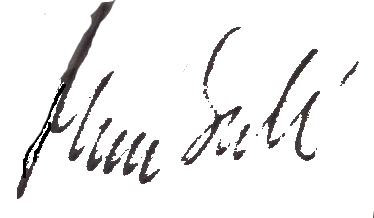
Early life and political rise
Sahlin entered politics at a young age and rose through municipal and party ranks before taking national office. Her early career combined work within the party organisation and in local government, which established her as an experienced organiser. She gained recognition inside the Social Democratic movement for her focus on employment, social welfare and gender equality.
National roles and responsibilities
Throughout her political career Sahlin served in a number of national roles. One of her early ministerial appointments placed her at the centre of labour and employment policy in the early 1990s, when she served as Minister for Employment. She subsequently held other government and party posts, taking on responsibilities that ranged from administrative leadership to public-facing initiatives. For instance, she was the minister responsible for the handling of a public exhibition in Stockholm often referred to as the Heart 2 Art project in 2002 (Heart 2 Art). In 2007 she succeeded Göran Persson as leader of the Social Democratic Party, becoming the first woman to lead the party at the national level and steering the organisation through electoral campaigns and parliamentary debates (Social Democratic Party).
Controversy: the Toblerone affair
A defining episode in Sahlin's public life was the so-called "Toblerone scandal," which came to light in 1995. Reporting showed that during her time as Minister for Employment she had on several occasions used government credit cards for private purchases. The media attention around those revelations prompted a broader national conversation about ministerial responsibility, transparency and the ethical handling of public funds. The affair interrupted her political trajectory, required public explanation and remained a reference point in discussions of political accountability in Sweden.
Leadership, elections and later years
As party leader she led the Social Democrats into national elections and took part in shaping policy debates on welfare, labour markets, integration and public services. Her tenure as leader marked an important milestone for gender representation in Swedish party politics. After electoral setbacks for the party she stepped down from the top leadership post and moved to other roles in public life and civil society, remaining an active voice on social and political issues.
Legacy and assessment
Sahlin's career is notable for the combination of high office, historic firsts and a public controversy that has often been invoked in studies of political ethics. Scholars and commentators examine her biography in the context of gender and leadership, the evolution of the Swedish welfare state, and the norms that govern public office. Her experience is frequently cited in teaching about political accountability and media scrutiny in representative democracies.
Further reading and resources
For concise factual details, timelines and contemporary reporting consult reliable biographical entries and party archives. Useful starting points include general timelines and archival material (timeline), local records from her birthplace Sollefteå, national reference sources on Sweden (Sweden), and collections of party history and documents held by the Social Democrats (party archives). For material about her leadership transition see party statements and retrospective coverage (party transition). Additional public records and event documentation are available through government collections and institutional archives (personal data).
Author
AlegsaOnline.com Mona Sahlin — Swedish Social Democratic politician Leandro Alegsa
URL: https://en.alegsaonline.com/art/127199