
Monarchy of Saint Kitts and Nevis
The constitutional monarchy of Saint Kitts and Nevis: its role, history, succession rules, and how the King and Governor‑General function in the federation.
Overview
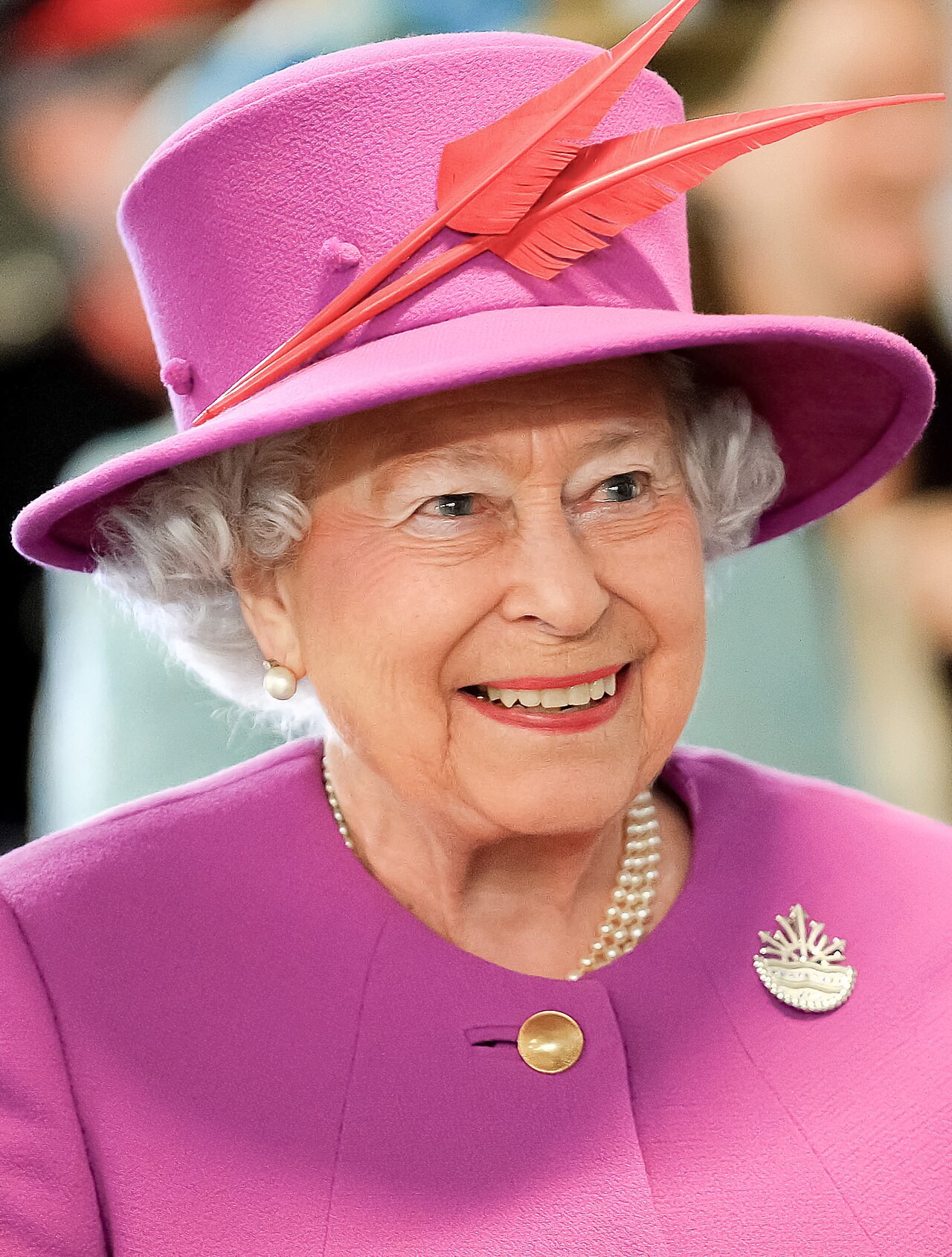
Saint Kitts and Nevis is a Commonwealth realm that shares a monarch with several other independent countries. The sovereign serves as the ceremonial head of state for the federation while political power is exercised locally by elected officials. Since 2022 the personal holder of the crown has been King Charles III (see monarch), who is styled, in relation to this realm, with the formal appellation recording his role as head of state and Head of the Commonwealth (full royal style).
Image gallery
10 Images






Constitutional role and powers
The monarchy in Saint Kitts and Nevis is a constitutional one: most royal powers are exercised on the advice of the nation's government and are largely symbolic. Key functions associated with the Crown include giving royal assent to bills passed by the National Assembly, summoning and dissolving parliament, appointing ministers, and serving as a focus of national unity. These powers are constrained by convention and statute; in practice they are exercised by a locally appointed representative, not by the monarch directly.
Governor‑General: the monarch's representative
The Governor‑General acts as the King's representative in Saint Kitts and Nevis and carries out the official duties of the head of state within the country. The Governor‑General is appointed on the advice of the Prime Minister and normally performs ceremonial, constitutional and community functions. Typical responsibilities include:
- Granting royal assent to enable legislation to become law;
- Appointing and dismissing ministers and other public officers according to constitutional rules;
- Presiding over ceremonial events and representing the state at official functions;
- Using reserve powers in exceptional circumstances to ensure constitutional government.
For information on the office, see the official page for the Governor‑General of Saint Kitts and Nevis (Governor‑General).
History and development
The present arrangement stems from the federation's constitutional development in the 20th century and its status as an independent state. Saint Kitts and Nevis achieved independence from the United Kingdom in 1983 and chose to retain the monarch as its head of state. The Statute of Westminster (1931) and subsequent constitutional practice establish that the monarch acts in a separate legal capacity in each realm: when acting for Saint Kitts and Nevis the sovereign follows the advice of its government alone, not the British government. Over time, Commonwealth realms have cooperated to modernize aspects of succession and royal titles by mutual agreement.
Succession, titles and legal basis
Succession to the throne is regulated by historic statutes and more recent inter‑realm agreements. Historically the Act of Settlement (1701) provided key rules governing succession; in modern practice changes to succession require the consent of all realms that share the crown. The monarch’s formal style when acting for Saint Kitts and Nevis refers to the federation by name and places the sovereign within the framework of the wider Commonwealth.
Distinctive features and contemporary context
The monarchy in Saint Kitts and Nevis functions largely as a constitutional and ceremonial institution intended to provide continuity and a nonpartisan symbol of state. Debates about republicanism have arisen from time to time across Caribbean realms, and discussions about constitutional change are part of normal political life, but as of now Saint Kitts and Nevis remains a realm. The arrangement exemplifies a particular form of constitutional monarchy in which the same individual is sovereign of multiple independent states while each state retains its own legal and political structures.
Questions and answers
Q: Who is the monarch of St Kitts and Nevis?
A: St Kitts and Nevis has the same monarch as several other Commonwealth countries, King Charles III.
Q: What is King Charles III's full official title when he represents St Kitts?
A: King Charles III's full official title when he represents St Kitts is Charles the Third, by the Grace of God, King of Saint Christopher and Nevis and of His other Realms and Territories, Head of the Commonwealth.
Q: Who does Charles III take advice from when he acts as King of St Kitts?
A: When Charles III acts as King of St Kitts, he only takes advice from the Government of St Kitts and Nevis.
Q: Why does Charles III only take advice from the Government of St Kitts and Nevis?
A: Charles III only takes advice from the Government of St Kitts and Nevis because the Statute of Westminster of 1931 said that all Commonwealth countries were independent of each other, and that the British government no longer had the right to interfere or give orders to the other countries.
Q: Who carries out the King's constitutional roles in St Kitts and Nevis?
A: Usually, the King's constitutional roles in St Kitts and Nevis are carried out by the Governor-General.
Q: What governs royal succession in St Kitts and Nevis?
A: Royal succession in St Kitts and Nevis is governed by the English Act of Settlement of 1701, which is part of constitutional law.
Q: What is the English Act of Settlement of 1701?
A: The English Act of Settlement of 1701 is a constitutional law that governs royal succession in St Kitts and Nevis.
Author
AlegsaOnline.com Monarchy of Saint Kitts and Nevis Leandro Alegsa
URL: https://en.alegsaonline.com/art/127196