
Molly Gloss
Molly Gloss (born 1944) is an American novelist and short‑story writer known for combining historical fiction and speculative themes, often focusing on women, landscape, and the American West.
Overview
Molly Gloss (born November 20, 1944) is an American writer whose work spans historical fiction and science fiction. She is best known for fiction that pays close attention to place and to the lives of women, and for blending realistic historical detail with speculative or ethical questions.
Image gallery
1 Image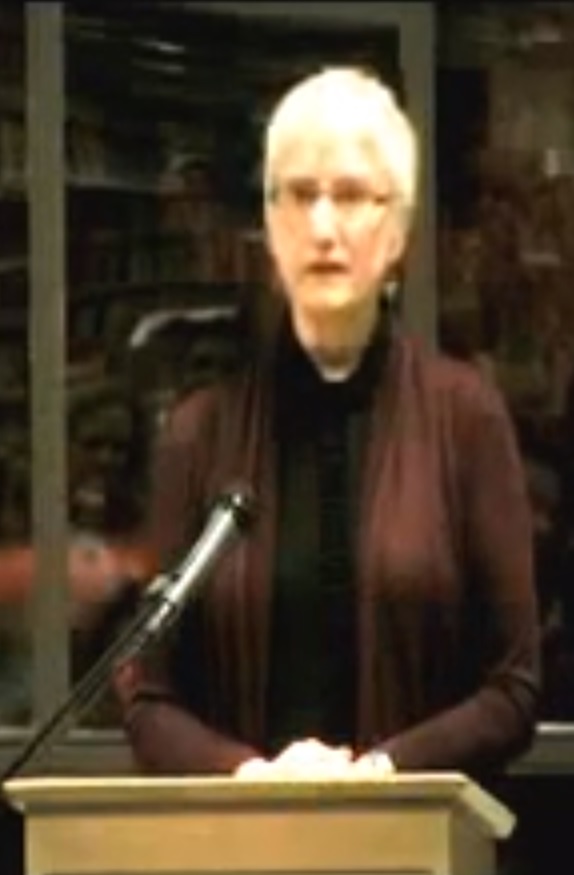
Themes and style
Gloss's writing is frequently centered on human relationships to landscape, community, and labor. Her prose is often described as restrained and observational, favoring interior perspective and concrete detail over sensationalism. Recurring subjects include frontier life, gender roles, ecological awareness, and the social consequences of technological change.
Forms and range
She has written both novels and short stories, and her work moves between plainly historical settings and narratives that introduce speculative elements. This range allows her to examine how ordinary people respond to unusual circumstances, whether those are economic hardship, migration, or encounters with new ideas and inventions.
Reception and importance
Gloss's fiction has attracted critical attention for its craftsmanship and humane focus. Reviewers and readers often highlight her ability to render the routines of work and family life in ways that illuminate broader cultural and moral questions. Her books are studied by readers interested in women’s history, regional literature, and the intersections of history and speculative imagination.
Further reading
For a bibliography and additional context on her career, see Molly Gloss. Her work is a useful bridge between historical novelists and writers of literary science fiction, and it continues to be read for both its narrative skill and its thoughtful treatment of place and gender.
Author
AlegsaOnline.com Molly Gloss Leandro Alegsa
URL: https://en.alegsaonline.com/art/127184