
Mohammad Hidayatullah
Indian jurist Mohammad Hidayatullah (1905–1992) served as Chief Justice, Acting President on two occasions, and as Vice‑President; he is remembered for his judicial leadership and contributions to Indian constitutional law.

Mohammad Hidayatullah (17 December 1905 – 18 September 1992) was a prominent Indian jurist and constitutional figure who held several of the country’s highest offices. Trained as a lawyer and later known for his legal scholarship, he presided over the Supreme Court of India as its 11th Chief Justice and also served in national executive roles. For a brief general biography see his profile.
Image gallery
4 Images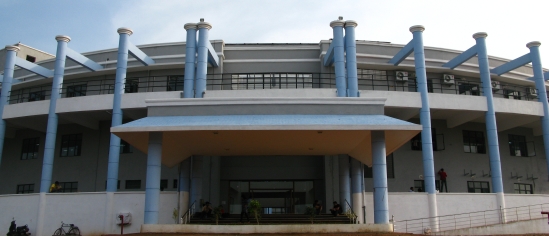


Career highlights
Hidayatullah’s public service combined judicial leadership with occasional constitutional duties. He was Chief Justice of India from 25 February 1968 to 16 December 1970, a period during which the court addressed important questions about fundamental rights and the balance of powers. He acted as President of India on two interim occasions and later became the sixth Vice President of India, holding that office from 31 August 1979 to 30 August 1984. Specific official references are available at the Supreme Court and vice‑presidential records: Chief Justices, Vice Presidents, and Acting Presidents.
Roles and responsibilities
- Chief Justice of India (1968–1970): presided over the Supreme Court and led judicial administration.
- Acting President of India (two brief terms): performed constitutional duties when the office was temporarily vacant.
- Vice‑President of India (1979–1984): served as the nation’s second constitutional officer and ex officio head of the Rajya Sabha.
Beyond offices, Hidayatullah was respected for his clear legal reasoning and commitment to constitutionalism. His judgments and public speeches contributed to debates on civil liberties, administrative law, and the role of courts in a democratic society. He also engaged with legal education and wrote on topics of jurisprudence, helping to shape the next generation of lawyers.
Legacy and notable facts
Often remembered as a bridge between the bench and the broader constitutional order, Hidayatullah’s career exemplified service in both judicial and ceremonial capacities. He was honored in his lifetime for public service and is cited in legal histories as an influential figure of mid‑20th century Indian law. His tenure is studied by students of constitutional law and by historians exploring the post‑independence development of India’s institutions.
For further reading or authoritative archival material, consult the institutional pages referenced above or specialized legal histories and law reports that collect his judgments and writings.
Author
AlegsaOnline.com Mohammad Hidayatullah Leandro Alegsa
URL: https://en.alegsaonline.com/art/127165