
Mohammad Hatta — Indonesian statesman and independence leader
Mohammad Hatta (1902–1980) was a leading figure in Indonesia's independence movement, serving as the nation’s first vice president, later as prime minister, and shaping early republican policy and cooperative economic ideas.
Overview

Image gallery
10 Images




Early life and political formation
Born in West Sumatra, Hatta received part of his education in the Netherlands, where he became involved with fellow Indonesian nationalists. His time abroad exposed him to modern political ideas and cooperative economic theories. This period helped shape his belief in parliamentary democracy, constitutional government and the value of cooperative enterprises as a foundation for national development.
Role in independence and government
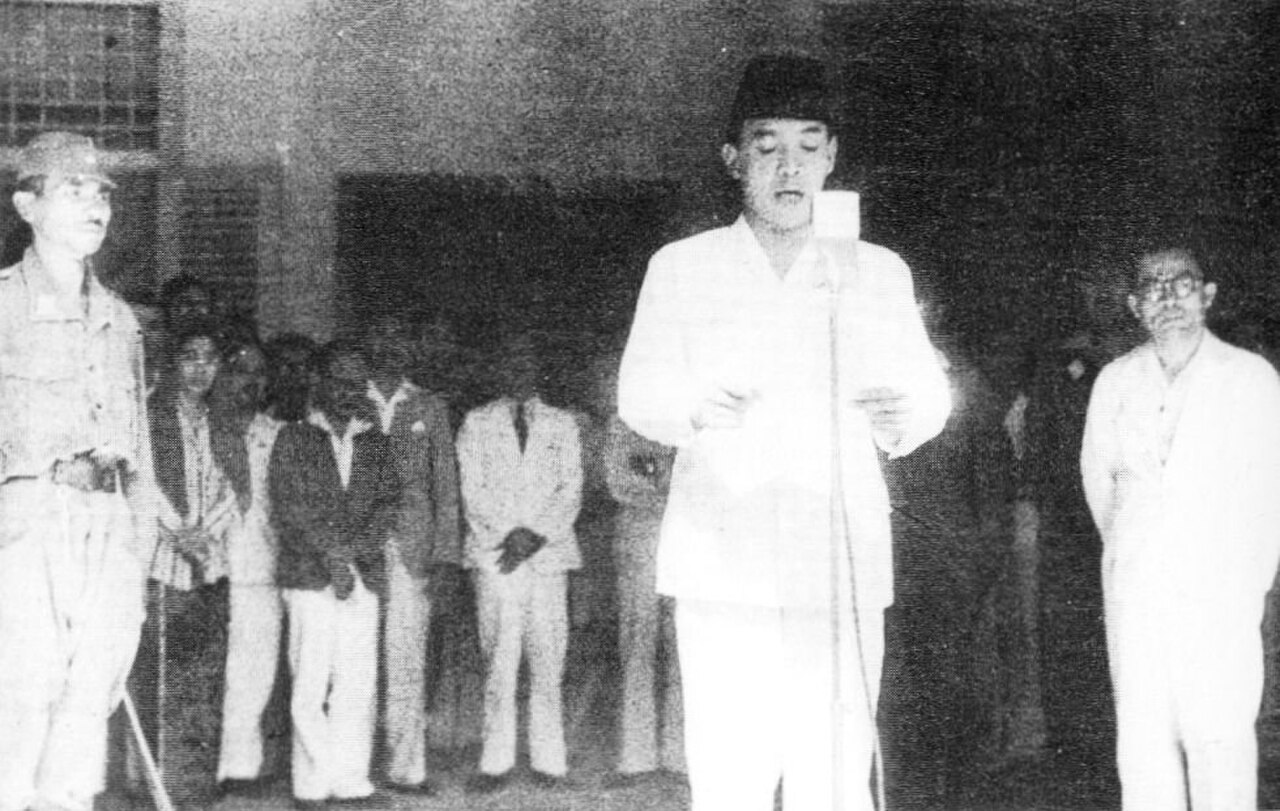
On the eve of independence in 1945 Hatta worked closely with other leaders to declare Indonesian sovereignty and build republican institutions. During the revolutionary period that followed, he took on diplomatic and administrative responsibilities aimed at consolidating the new state and negotiating with colonial authorities. He later served in senior government posts, including a period as prime minister, and played a part in the political compromises and institutions that guided early Indonesia.
Ideas, policies and political stance
Hatta was an advocate for cooperative economics and local self-reliance; he promoted cooperatives as a means to distribute wealth and organize small producers without heavy state control. He supported parliamentary democracy and at times disagreed with authoritarian tendencies in Indonesian politics, a rift that contributed to his decision to step down from high office in the 1950s.
Legacy and notable facts
- Often called "Bung Hatta," he remains celebrated as one of Indonesia’s founding leaders and is remembered for integrity and moderation in public life.
- He played a major role in negotiating the end of colonial domination and in setting the early diplomatic tone of the republic against Dutch efforts to reassert control.
- Hatta died in Jakarta on 14 March 1980 and was buried at Tanah Kusir public cemetery; his writings and speeches continue to be studied in Indonesia.
Author
AlegsaOnline.com Mohammad Hatta — Indonesian statesman and independence leader Leandro Alegsa
URL: https://en.alegsaonline.com/art/127164