
Milan Kučan — First President of Independent Slovenia
Milan Kučan (born 14 Jan 1941) is a Slovene politician who served as the first president of independent Slovenia from 1991 to 2002, guiding the country through independence and early state-building.
Milan Kučan (born 14 January 1941) is a Slovene statesman who played a central role in Slovenia’s transition from a Yugoslav republic to an independent European nation. A long-time public figure, he rose through the political structures of the late Yugoslav period and became a broadly recognized leader during the moment of Slovenian statehood. He is often described as pragmatic and conciliatory in style. Slovene politics and his presidency are commonly studied in accounts of the breakup of Yugoslavia.
Image gallery
3 Images

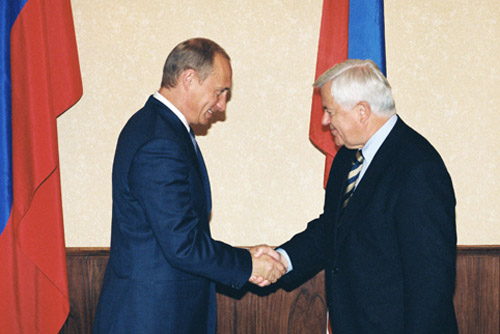
Political background and rise
Kučan’s early career unfolded within the institutions of the republic. He emerged from the League of Communists of Slovenia and subsequently led the republic’s collective leadership at the close of the Yugoslav era. His training and experience in administration and party structures helped him navigate the turbulent political environment of the late 1980s and early 1990s as popular demands for pluralism and national self-determination grew.
Role in independence and the presidency
During the critical years around 1990–1991, Kučan presided over Slovenia’s political leadership as the country moved toward independence. He was a central figure during the 1990 referendum on sovereignty and the declaration of statehood that followed. After independence he served as the first President of Slovenia from 1991 until 2002, a period during which Slovenia consolidated democratic institutions, managed a transition to a market-oriented economy, and sought international recognition and integration.
Policies and public image
As president, Kučan promoted a measured approach to reform: encouraging economic transformation while advocating social protections and political stability. He became known for a consensus-seeking temperament, working with multiple parties and actors to build institutional continuity. Internationally he represented the new state in diplomatic efforts to secure recognition and to begin the long process of European integration. President of Slovenia remains the title by which his two terms are usually described.
Later activity and legacy
After leaving the presidency in 2002, Kučan continued to appear as an elder statesman, contributing to public debate and supporting civil society initiatives. Histories of Slovenia’s independence often credit him with helping to steer a peaceful transition compared with conflicts elsewhere in the region, and scholars note his role in shaping the early norms and institutions of the new republic.
Notable facts
- Born 14 January 1941, Kučan became the nation’s first head of state after independence.
- He is frequently described as pragmatic, emphasizing negotiation and institutional stability.
- His presidency covered the decade when Slovenia established democratic governance and sought integration with Western Europe.
Author
AlegsaOnline.com Milan Kučan — First President of Independent Slovenia Leandro Alegsa
URL: https://en.alegsaonline.com/art/127052