
Mike Leavitt: U.S. Governor, EPA Administrator, and HHS Secretary
Michael O. "Mike" Leavitt (b. 1951) is an American Republican leader who served as Governor of Utah, Administrator of the EPA, and Secretary of Health and Human Services; later active in prevention and policy work.
Overview
Michael Okerlund "Mike" Leavitt (born February 11, 1951) is an American politician and public administrator associated with the Republican Party. He has held major executive positions at state and federal levels, combining experience in state government, environmental regulation, and national health policy. After his time in elected and appointed office he has remained engaged in public policy, especially around prevention and health initiatives.
Image gallery
2 Images
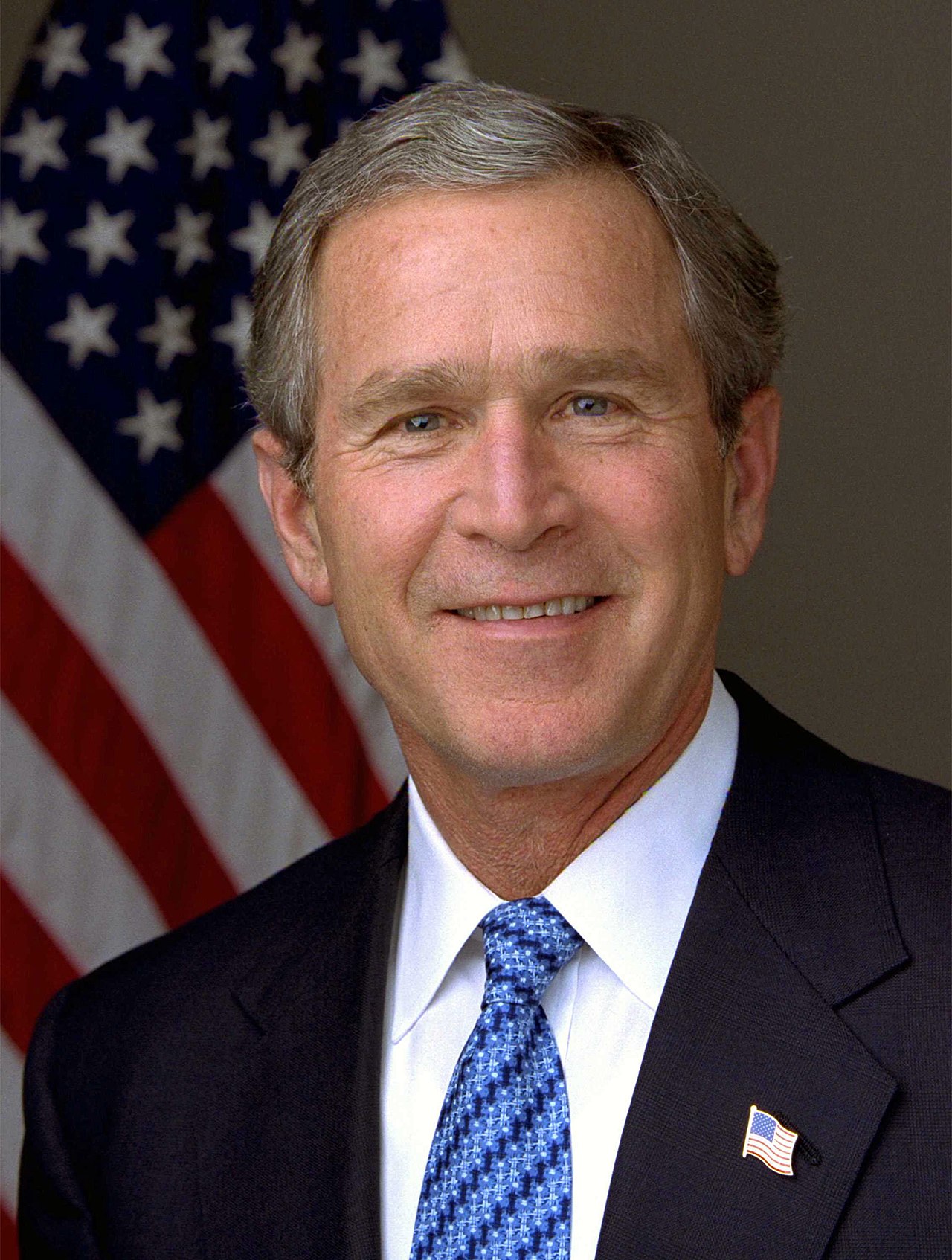
Offices held
- Governor of Utah (1993–2003)
- Administrator of the Environmental Protection Agency (2003–2005)
- Secretary of Health and Human Services (2005–2009)
Career and responsibilities
Leavitt's career spans elected state leadership and senior federal executive appointments. As governor he was responsible for state budgeting, economic development, and local policy implementation. In the Bush administration he first led the Environmental Protection Agency, managing federal environmental regulation and oversight. He subsequently led the Department of Health and Human Services, with responsibilities ranging from public health programs to administration of health policy at the national level.
Policy focus and notable efforts
Across roles, Leavitt emphasized cross-sector collaboration and pragmatic policy solutions. His work touched on environmental regulation, public-health preparedness, and efforts to improve preventive care and cost-effective health services. In later years he shifted toward policy advocacy and advisory roles that promote prevention strategies and bipartisan approaches to complex problems.
Post-government activities and distinctions
After leaving federal office, Leavitt remained active in public affairs and policy networks. He serves as a co-leader of the Prevention Initiative at the Bipartisan Policy Center, where he focuses on scaling preventive measures and building consensus on health priorities. His trajectory—from state governor to heads of major federal agencies—illustrates a blend of managerial experience and policy engagement that has shaped both regional and national policy discussions.
Further reading and context
Leavitt's career is often cited as an example of a leader who moved between state executive office and federal administration, bringing state-level perspectives to national policy debates. Researchers and readers interested in governance, environmental regulation, and health-policy implementation may find his record useful as a case study in administrative transition and bipartisan policy work.
For biographical and documentary sources, consult authoritative government archives and public policy organizations for detailed records and timelines.
Author
AlegsaOnline.com Mike Leavitt: U.S. Governor, EPA Administrator, and HHS Secretary Leandro Alegsa
URL: https://en.alegsaonline.com/art/126997