
Mike Kellie — English drummer and record producer
English drummer and record producer Mike Kellie (1947–2017) played with the V.I.P.s, Spooky Tooth and the Only Ones and contributed to Traffic's 1971 album. His career as a musician and session player spanned decades.
Overview
Mike Kellie (Michael Alexander Kellie, 24 March 1947 – 18 January 2017) was an English musician best known for his work as a drummer and as a record producer. Over a career that extended across more than four decades he performed with several influential rock groups, worked frequently as a session player and contributed to recordings by other artists. While he was credited with multiple musical roles, he was primarily recognized for his drumming.
Image gallery
1 Image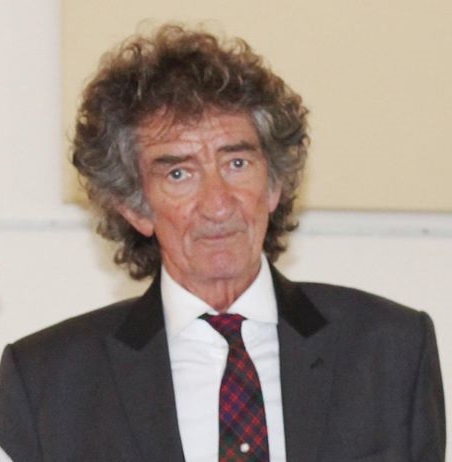
Career and principal associations
Kellie began his professional career in the 1960s and became associated with a number of British rock acts. He was a member of the V.I.P.s in their early period and later played in Spooky Tooth, a band notable in the late 1960s and early 1970s for its blend of blues, rock and progressive influences. In the late 1970s he joined the Only Ones, a group connected with the post‑punk era and remembered for melodic, guitar‑driven songs. He also worked as a session musician and guested on recordings by other artists, including contributing to Traffic's track "Rainmaker" on the 1971 album The Low Spark of High‑Heeled Boys.
Notable recordings and roles
- Member of the V.I.P.s during the formative British rock era.
- Drummer for Spooky Tooth, participating in that band's key recordings and tours.
- Member of the Only Ones during their late‑1970s period.
- Session work and guest appearances, including a contribution to Traffic's 1971 album.
Style, instruments and production work
Kellie was valued for a steady, musical style of drumming that supported melody and arrangement rather than seeking constant flash. In addition to drums, he was credited as a multi‑instrumentalist and turned to production and studio work at times, applying his experience as a performer to record projects. His approach suited both rock ensembles and more restrained studio sessions.
Legacy and context
Although not as widely known as some contemporaries, Kellie was respected among musicians for his versatility and professionalism. His work connects several distinct moments in British rock history—from the late‑1960s psych/blues scene through early 1970s rock into the post‑punk era. He is remembered by fans of the bands he played with and by peers who relied on his steady presence behind the kit. For lists of groups and collaborators associated with his career, see the bands page: bands.
Author
AlegsaOnline.com Mike Kellie — English drummer and record producer Leandro Alegsa
URL: https://en.alegsaonline.com/art/126995