
Michal Kováč — First President of Slovakia (1993–1998)
Michal Kováč (1930–2016) was the first president of independent Slovakia, serving 1993–1998 and guiding the new office through the country's early post‑Czechoslovakia transition.
Michal Kováč (5 August 1930 – 5 October 2016) was a Slovak politician who became the first head of state of the independent Slovak Republic following the peaceful split of Czechoslovakia. He held the presidential office from 1993 to 1998, a formative period during which Slovakia established institutions of a sovereign state and adapted democratic procedures inherited from the post‑communist transition.
Image gallery
1 Image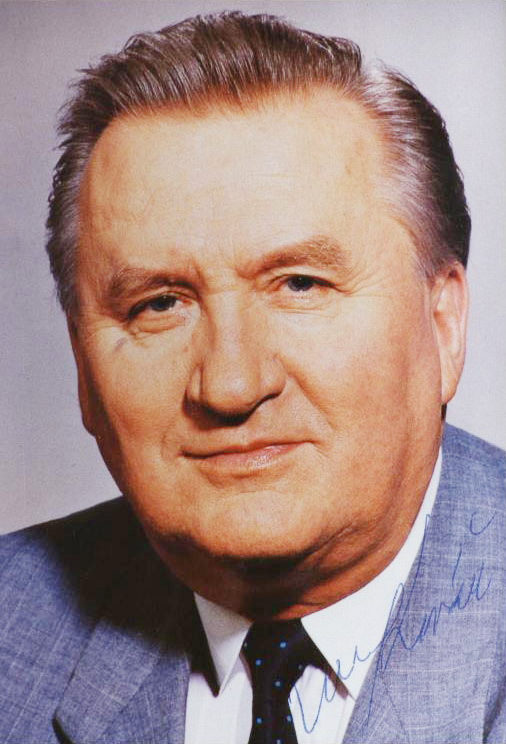
Role and significance
As president he occupied a constitutionally defined position that combined ceremonial duties with concrete powers such as appointing senior officials, signing laws, and representing the country abroad. His term set precedents for how the new office would operate in relation to the government and parliament. For contemporary descriptions of the presidency and its functions see the office of the President.
Kováč’s tenure unfolded against a backdrop of rapid political change. Slovakia was building diplomatic relations, adapting economic policy, and creating legal frameworks to support democracy and market reform. His time in office is often discussed in connection with the broader challenges of state‑building and governance in early 1990s Central Europe.
The presidency was not without controversy. The mid‑1990s included political disputes between the head of state and the government; one widely reported and internationally noticed episode involved the abduction of Kováč’s son in 1995, which prompted inquiries and intensified debate over intelligence services and accountability.
- Born in 1930; died in 2016.
- Served as Slovakia’s first post‑independence president (1993–1998).
- Presidency marked by institutional consolidation and political tensions.
- Remembered as a symbolic figure in Slovakia’s transition to an independent republic.
Michal Kováč’s place in Slovak history is tied to the early years of the modern Slovak state and the practical establishment of presidential precedent. For further context on the country he led, consult general resources on Slovakia.
Author
AlegsaOnline.com Michal Kováč — First President of Slovakia (1993–1998) Leandro Alegsa
URL: https://en.alegsaonline.com/art/126840