
Max Linder (1883–1925) — French pioneer of silent film comedy
Max Linder, born Gabriel-Maximilien Leuvielle, was a French actor, director and comedian of the silent era, often called the world’s first film star and a major influence on later screen comedians.
Overview
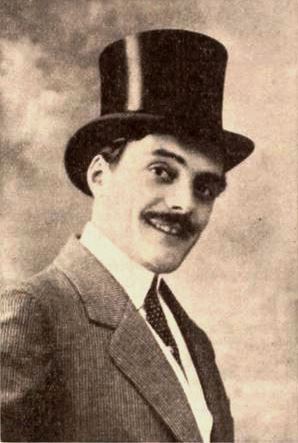
Gabriel-Maximilien Leuvielle (16 December 1883 – 1 November 1925), known professionally as Max Linder, was a French actor, director, producer and writer whose work in the early 20th century helped define cinematic comedy. Performing under the name Max, he developed a distinct screen persona — a well-dressed, urbane gentleman whose polite manners and mild frustrations drove much of the humor. He is frequently described as the first international movie star and a pioneer of film-era comic characterization.
Image gallery
6 Images



Screen persona and style
Linder's comic hero was elegant, sly and often exasperated by social conventions. Rather than relying solely on slapstick, his films mixed physical comedy with situational irony and social satire. Timing, controlled facial expression and a consistent character across many shorts made his Max a recognizable figure audiences returned to. Linder also experimented with narrative continuity by having the same comic identity reappear in different scenarios, a novel idea at the time.
Career and achievements
He began working in theater and early moving pictures before joining the Pathé company, where he wrote, directed and starred in numerous short comedies. Over more than a decade he helped develop the grammar of screen comedy: camera setups that favor visual gags, gleeful reversals of social roles, and character-driven jokes rather than only pratfalls. He also directed features and served as a creative force behind many productions.
Notable facts and influence
- Created the recurring character often credited simply as "Max," a prototype for sophisticated screen comedians.
- Influenced later comedians; Charlie Chaplin acknowledged Linder's importance among early film comics.
- Worked extensively with the Pathé studio system and helped professionalize film comedy for international distribution.
For further reading, see a general Max Linder biography, collections of his work in film archives at major archive sites, and critical essays on silent comedy at cinema studies resources. Filmographies and restored prints are cataloged in specialist repositories; consult a dedicated filmography for titles and restoration notes.
Legacy and later recognition
Linder's career ended tragically; his life and work have been the subject of retrospectives, restorations and scholarly attention since the mid-20th century. Modern film historians credit him with shaping the language of screen comedy and establishing the star persona as a marketable asset. While many of his shorts survive only in fragments, those that remain show a polished comic intelligence that links early cinema to the character-led comedies that followed.
Author
AlegsaOnline.com Max Linder (1883–1925) — French pioneer of silent film comedy Leandro Alegsa
URL: https://en.alegsaonline.com/art/126512