
Max Cleland: U.S. Senator, Vietnam veteran, and public official
Max Cleland (1942–2021) was an American Democratic politician and disabled Vietnam War veteran who represented Georgia in the U.S. Senate (1997–2003) and later served in federal veteran and memorial roles.
Overview
Joseph Maxwell "Max" Cleland was an American politician and public servant known for his work on veterans' issues and national service. A member of the Democratic Party, Cleland was a disabled U.S. Army veteran of the Vietnam War and served as a United States Senator representing Georgia from 1997 to 2003. His life combined military sacrifice, elected office, and later appointments to federal boards and commissions.
Image gallery
4 Images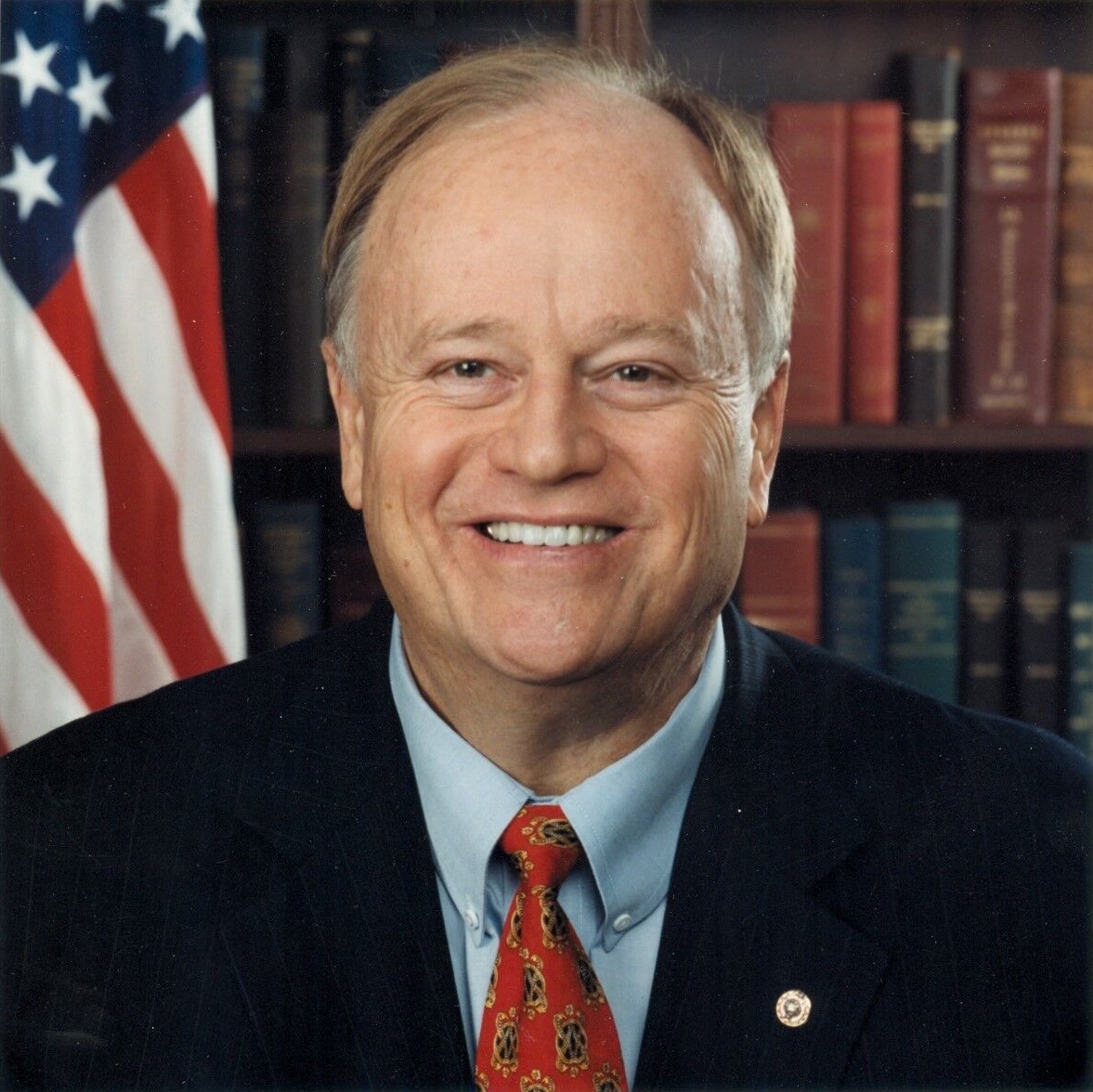


Early life and military service
Cleland served in the U.S. Army in Vietnam, where he suffered severe combat injuries that resulted in the loss of multiple limbs and left him as a prominent disabled veteran. His wartime experience shaped his public persona and his lifelong advocacy for veterans' benefits, rehabilitation programs, and policies supporting wounded service members and military families.
Political career and public service
After returning from military service, Cleland entered public life and built a career focused on veterans' affairs and public administration. He won election to the U.S. Senate in 1996 and took office in January 1997. During his Senate term he worked on legislation related to veterans, health care, and national security. Cleland's 2002 reelection campaign was fiercely contested; he was defeated by Republican challenger Saxby Chambliss in a race that drew national attention.
Later roles and appointments
Following his Senate service, Cleland continued to hold federal appointments and serve on government boards. Notably, he served on the Board of Directors of the Export-Import Bank of the United States from 2003 to 2007 and later was Secretary of the American Battle Monuments Commission from 2009 to 2017. These roles reflected his ongoing interest in international affairs, memorialization of service members, and public diplomacy.
Positions and chronology
- United States Senator from Georgia, 1997–2003 (U.S. Senate).
- Board member, Export-Import Bank of the United States, 2003–2007.
- Secretary, American Battle Monuments Commission, 2009–2017.
Legacy and death
Cleland remained a visible figure in debates about veterans' care, disability rights, and public service. He was widely respected across party lines for his personal sacrifice and commitment to veterans' causes. Cleland died on November 9, 2021, at his home in Atlanta; reports attributed his passing to complications from heart failure. His career is often recalled for the way his wartime experience informed his political priorities and public advocacy.
For further reading about Cleland's life and service, consult contemporary profiles and official records that document his terms in office, policy initiatives, and the federal appointments he held after leaving the Senate. Reliable sources provide more detail on legislative work, speeches, and honors that marked his long public career.
Author
AlegsaOnline.com Max Cleland: U.S. Senator, Vietnam veteran, and public official Leandro Alegsa
URL: https://en.alegsaonline.com/art/126506