
Mathieu Kérékou — President of Benin (1972–1991, 1996–2006)
Beninese military officer and politician who led Benin through a Marxist period, a democratic transition, and two nonconsecutive presidencies between 1972 and 2006.
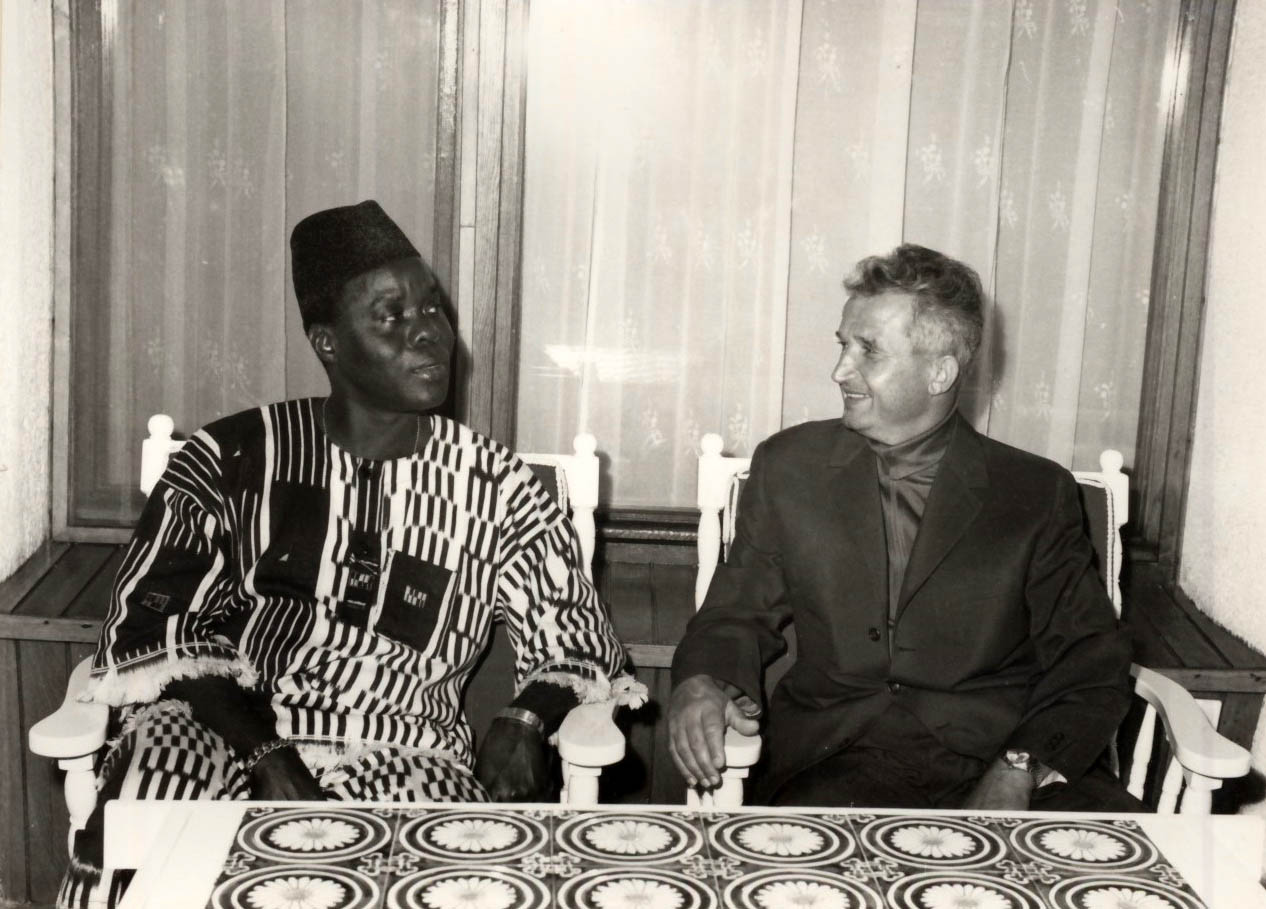
Mathieu Kérékou (2 September 1933 – 14 October 2015) was a central figure in the modern political history of Benin. A career army officer, he seized power in a 1972 coup and later served two nonconsecutive terms as head of state: a prolonged period of rule that began in the 1970s and a return to the presidency from the mid-1990s until 2006. His career spanned military rule, single-party Marxist government, an eventual democratic transition, and contested re-election.
Image gallery
8 Images


Rise to power and ideological turn
After rising through the ranks of the army, Kérékou led the overthrow of the civilian government in October 1972. In the mid-1970s he adopted a Marxist-Leninist orientation for the country, reorganizing the state around a single party and pursuing nationalization and state-led economic policies. These years saw centralization of authority, one-party structures, and policies intended to break from the unstable politics of Benin's early independence era.
Governance, crisis, and reform
The state-directed model produced mixed results: early ambitions were undermined by economic difficulties, administrative problems, and international isolation. By the late 1980s mounting economic strain and popular discontent led to political fracture. In 1989–1990 Kérékou presided over a process that opened the political system: a national conference and negotiated reforms dismantled single-party rule and paved the way for multiparty elections.
In 1991 he was defeated at the ballot box, marking a peaceful transition to civilian democratic leadership. During the 1990s Benin implemented economic liberalization and structural reforms that shifted policy away from state control toward market-oriented measures promoted by international creditors.
Return, controversy, and later years
Kérékou returned to power in 1996 through democratic elections and was re-elected in 2001 in a vote that prompted domestic and international scrutiny and legal challenges. His later presidency was seen as more pragmatic and conciliatory than his earlier rule; he embraced elements of democratic governance while remaining a polarizing national figure. He left office in 2006 after two terms in his second stretch and died in 2015.
Significance and notable facts
- Served both as a military ruler and as an elected president, a rare combination in West African politics.
- Guided Benin through a formal Marxist phase and then through a negotiated transition to multiparty democracy.
- His 2001 re-election provoked legal and political debate over term limits and eligibility.
- He remained a controversial figure: credited by some with national stability and criticized by others for human rights limits during the single-party era.
For an overview of official records and further biographical detail see further resources. Kérékou's career is frequently discussed in studies of military governance, post-colonial state-building, and African democratic transitions.
Author
AlegsaOnline.com Mathieu Kérékou — President of Benin (1972–1991, 1996–2006) Leandro Alegsa
URL: https://en.alegsaonline.com/art/126385