
Massimo D'Alema
Massimo D'Alema (born 20 April 1949) is an Italian politician who served as Prime Minister (1998–2000) and later as Deputy Prime Minister and Foreign Minister (2006–2008). He helped reshape Italy's post‑Cold War left.
Overview
Massimo D'Alema (born 20 April 1949) is a prominent Italian politician known for leading a centre‑left coalition as the 53rd Prime Minister of Italy from 1998 to 2000. He later served at the head of Italy's diplomacy as Deputy Prime Minister and Minister of Foreign Affairs from 2006 to 2008. D'Alema's career spans party leadership, parliamentary roles and executive office.
Image gallery
8 Images


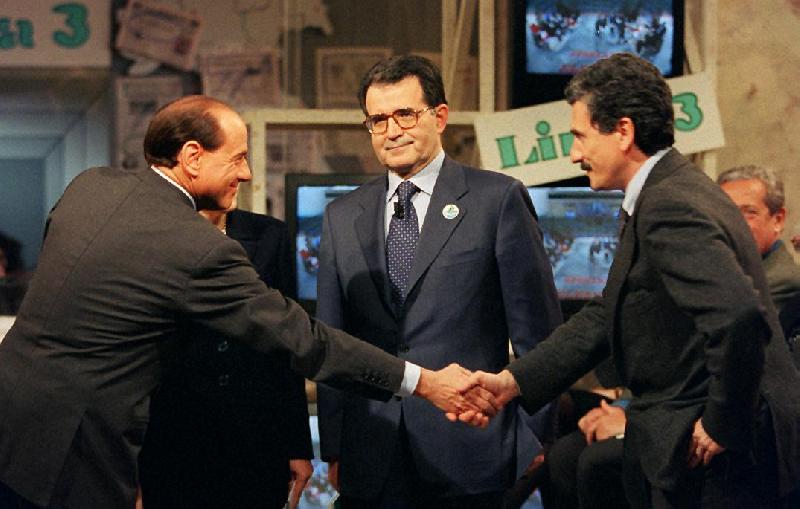


Early political origins
D'Alema began his public career within organisations of the Italian left and became active during the period of realignment that followed the Cold War. He was centrally involved in the transformation of traditional communist movements into new social‑democratic formations and held senior party positions while building a reputation as a pragmatic operator.
Prime ministership and government
As prime minister he led a multi‑party coalition and worked to reconcile domestic reforms with Italy's European commitments and NATO responsibilities. His government navigated complex parliamentary arithmetic and debates over economic policy, European integration and international engagement. Observers often note his emphasis on consensus and institutional stability.
Deputy prime minister and foreign minister
Returning to government in 2006, D'Alema served as Deputy Prime Minister and Minister of Foreign Affairs, representing Italy in international fora and contributing to discussions on multilateral cooperation and European policy. His tenure as foreign minister highlighted the continuity of his engagement in transatlantic and Mediterranean issues.
Positions, style and legacy
D'Alema is frequently described as a pragmatic centre‑left politician who sought to modernise the Italian left and adapt it to European social‑democratic norms. Supporters credit him with helping to stabilise centre‑left coalitions; critics point to the tensions and compromises inherent in coalition politics. He remains a reference point in debates on the evolution of post‑Cold War Italian parties.
Notable facts
- He was among the first post‑Cold War leaders in Western Europe to come from a background in communist organisations.
- His career includes roles in party leadership, the premiership and the conduct of foreign policy.
- D'Alema's public interventions have continued after his ministerial posts, as he participates in political and international discussions.
For an outline of his premiership see the article on the office of the Prime Minister of Italy, which places his term in the wider context of Italy's modern governments.
Author
AlegsaOnline.com Massimo D'Alema Leandro Alegsa
URL: https://en.alegsaonline.com/art/126373