
Mary Philbin: Silent‑era actress best known for The Phantom of the Opera
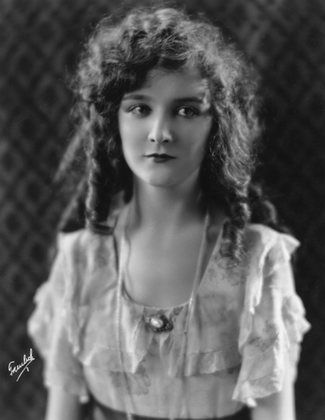
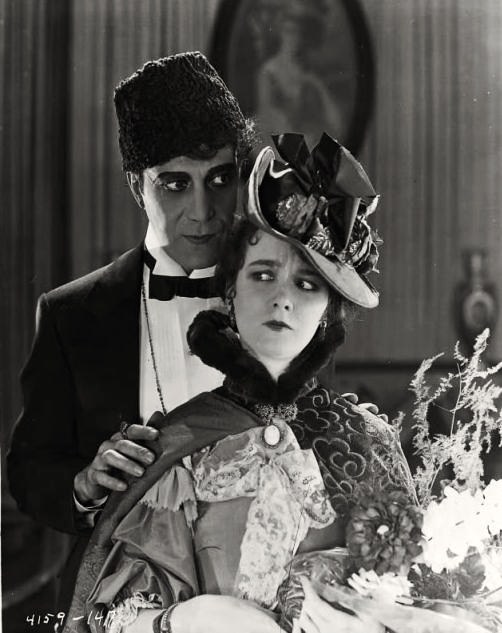
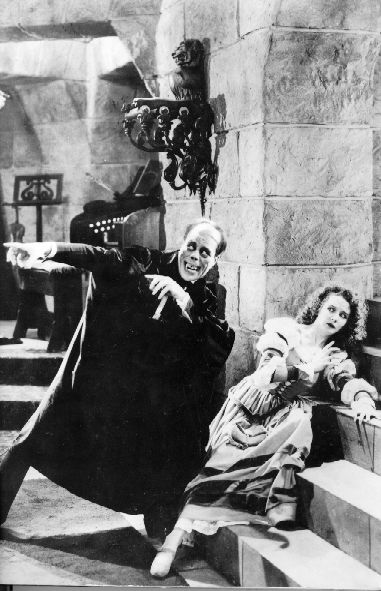
American silent film actress Mary Philbin (1902–1993) starred as Christine Daaé in the 1925 The Phantom of the Opera and as Dea in The Man Who Laughs, becoming an icon of 1920s cinema.
Mary Philbin (July 16, 1902 – May 7, 1993) was an American actress whose screen persona came to define the graceful romantic heroine of the silent era. Born in Chicago, she rose to prominence in the 1920s and remains best remembered for her leading parts in two landmark silent pictures: Christine Daaé in The Phantom of the Opera (1925) and Dea in The Man Who Laughs (1928).
Image gallery
5 Images

Career and notable roles
Philbin's film work was concentrated in the silent decade. In The Phantom of the Opera she played the innocent, musical heroine opposite Lon Chaney's masked Phantom, a role that helped cement the film's status as a classic of early horror cinema. In The Man Who Laughs she portrayed Dea, a blind woman who represents purity and compassion opposite Conrad Veidt's tortured lead. These performances showcased the careful, expressive facial work and restrained gestures that were essential in silent storytelling.
Characteristics and screen image
Philbin was often cast as the demure, ethereal heroine. Her screen presence relied on subtlety rather than theatrical excess, and contemporary publicity emphasized her beauty, poise and musical training. Like many silent stars, she adapted her acting to the medium's visual demands: emotion and narrative information were conveyed through expression, posture and movement rather than spoken dialogue.
Later life and legacy
With the coming of sound films and changes in the industry, Philbin's on‑screen career wound down in the late 1920s and early 1930s. She largely retired from public life and gave few interviews, but interest in her work revived as film historians and classic‑film fans reassessed silent cinema. Restorations and screenings of her key films have helped preserve her reputation, and images from The Phantom of the Opera—especially Lon Chaney’s mask and Philbin’s Christine—remain widely recognized in popular culture.
Importance and distinctions
- Representative figure of 1920s Hollywood melodrama and early horror.
- Performances continue to be studied in silent film scholarship and shown at retrospectives.
- Her roles illustrate how silent cinema relied on visual expressiveness to tell emotional stories.
Although Mary Philbin lived a relatively private life after her film career, the emotional clarity of her best performances ensures she is still remembered by enthusiasts of silent cinema and by audiences encountering these films through restorations and classic‑film programs.
Author
AlegsaOnline.com Mary Philbin: Silent‑era actress best known for The Phantom of the Opera Leandro Alegsa
URL: https://en.alegsaonline.com/art/126337