
Mary Ellen Mark — American documentary and portrait photographer
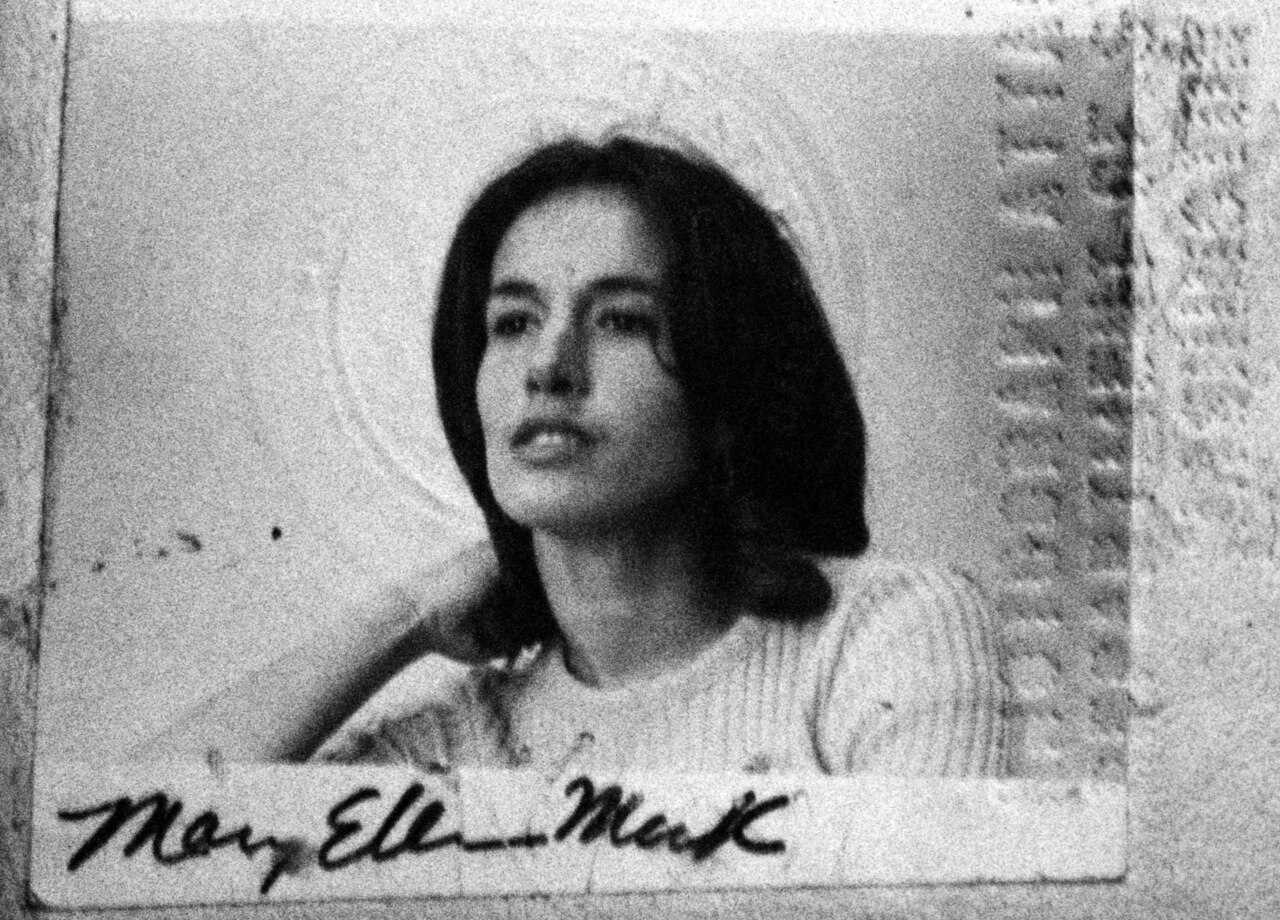
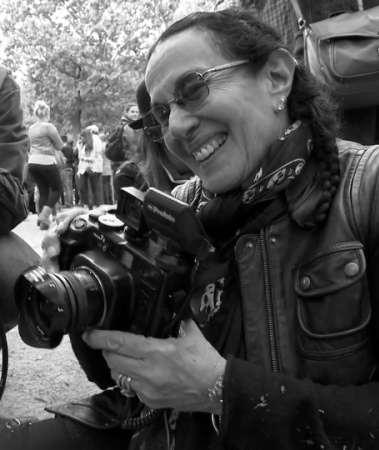
Mary Ellen Mark (1940–2015) was an American photographer renowned for intimate documentary portraiture and long-term projects that documented people on society's margins.
Overview
Mary Ellen Mark was an American photographer whose work blended photojournalism and portraiture to record lives often overlooked by mainstream media. She produced books, editorial features and long-term documentary series, creating images noted for their close human contact and emotional clarity.
Image gallery
4 Images

Style and subjects
Mark combined the immediacy of reportage with the compositional control of portrait work. Her images—both black-and-white and color—rely on patient access, empathetic interaction with subjects, and careful framing. She frequently photographed people living on the margins of society: children and teenagers in difficult circumstances, residents of psychiatric wards, sex workers, and other communities that are rarely the focus of extended visual study. Her approach emphasized respect for subjects and a commitment to prolonged, immersive projects rather than single, detached images.
Major projects and themes
- Long-term documentary series — Several bodies of work grew from sustained encounters with a community or individual, allowing Mark to return over months or years and produce narrative-driven photo essays.
- Youth and urban life — She documented runaway and street youth, portraying both vulnerability and resilience in urban settings.
- Institutions and margins — Projects explored life inside institutions such as psychiatric wards, and other communities hidden from public view.
- Editorial and portrait commissions — Alongside documentary work, Mark produced forceful portraits and assignments for magazines, advertising, and publishing commissions that demonstrated her adaptability.
Her pieces frequently became books and exhibition projects that invited audiences to consider social issues through individual stories rather than statistics.
Career and influence
Mark worked across editorial, book and gallery contexts. Her photographs appeared in magazines and in solo exhibitions worldwide; she also collaborated with filmmakers and writers to translate long-form photographic projects into other media. Her practice influenced generations of documentary and portrait photographers who value ethical engagement, sustained access to subjects, and blending artistic composition with journalistic intent. Critics and colleagues have often highlighted her ability to balance intimacy with a clear-eyed documentary purpose.
Legacy and notable facts
Mark is remembered for images that bring attention to lives otherwise overlooked, and for a disciplined approach to project-based photography that foregrounds dignity and complexity. Her work continues to be shown in museums and printed in collections that study photography as a social art form. She described her role as both witness and advocate, aiming to let individuals be seen on their own terms.
Death
Mary Ellen Mark died of myelodysplastic syndrome on May 25, 2015, in Manhattan. Her passing prompted renewed attention to her books and exhibitions and to the ethical and aesthetic questions her work raised about representation, care and the power of long-form photographic practice. She is frequently cited in discussions of documentary photojournalism and portraiture for her commitment to subjects beyond the margins of mainstream attention.
For further reading and exhibitions, see institutional collections and retrospective publications that survey her major series and published books.
Author
AlegsaOnline.com Mary Ellen Mark — American documentary and portrait photographer Leandro Alegsa
URL: https://en.alegsaonline.com/art/126309