
Martin Schulz — German politician, former President of the European Parliament
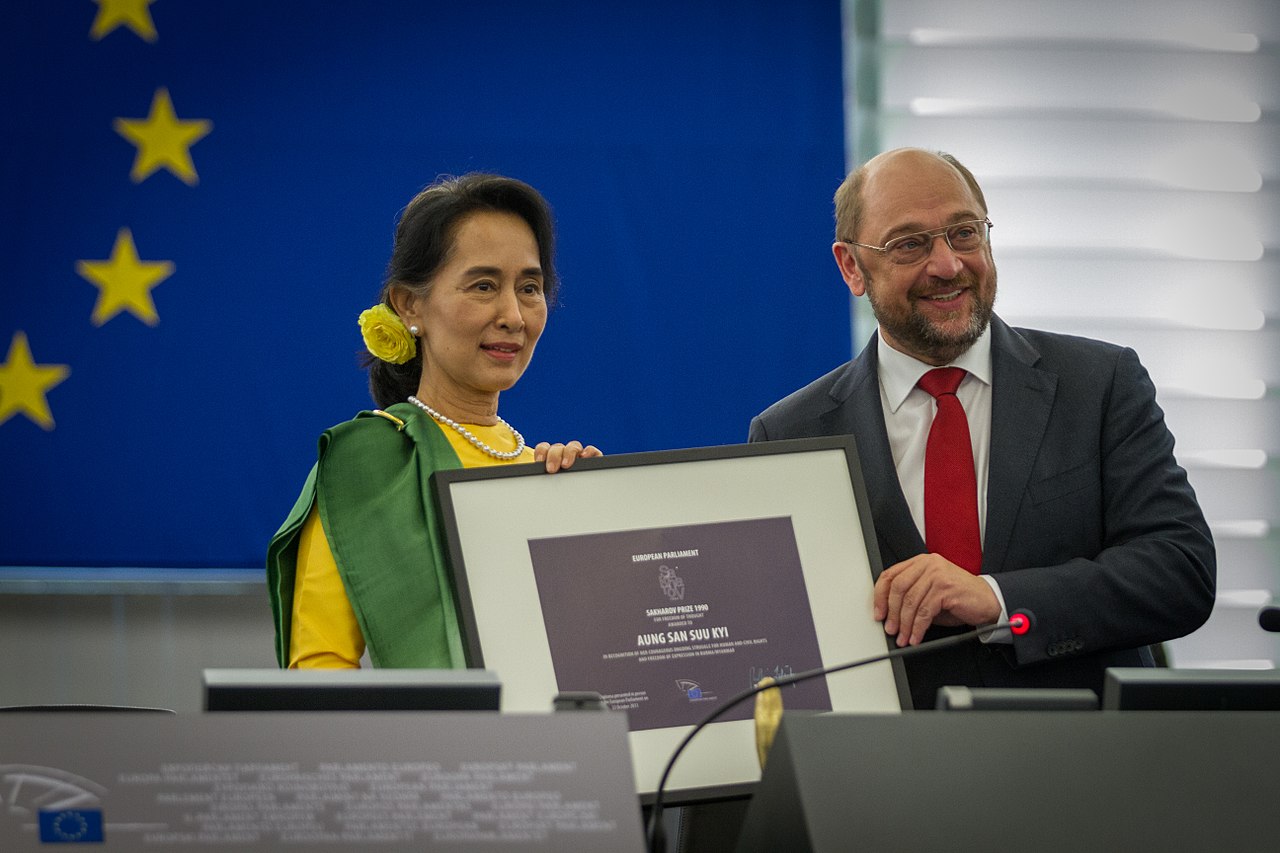
Martin Schulz (born 1955) is a German Social Democratic politician, former President of the European Parliament (2012–2017) and former SPD chairman and 2017 chancellor candidate.
Overview
Martin Schulz (born 20 December 1955) is a German politician associated with the Social Democratic Party (SPD). He is best known for his leadership roles at the European level, including serving as President of the European Parliament from 2012 until 2017, and for his later return to German national politics as SPD chairman and the party's candidate for chancellor in 2017. For basic biographical information see Martin Schulz.
Image gallery
8 Images




Career and offices
Schulz's public career centers on European institutions. He was first elected to the European Parliament in the 1990s and rose to become leader of his party's parliamentary group before being elected President of the Parliament. His tenure as president emphasized stronger parliamentary scrutiny of EU institutions and a more prominent democratic voice for the EU legislature.
Politics and positions
Politically, Schulz aligns with mainstream social democracy: he advocates social justice, workers' rights, and a more integrated European Union that balances market policies with social protections. He has been critical of austerity policies and has called for policies addressing inequality and democratic accountability within EU governance.
Timeline (selected)
- 1990s: elected to the European Parliament and established a profile in EU politics.
- 2000s–2012: served as a leading figure in the social-democratic group in the Parliament.
- 2012–2017: President of the European Parliament, representing the institution internationally.
- 2017–2018: returned to German party politics as SPD chairman and the party's chancellor candidate.
Legacy and significance
Schulz is often cited as an example of a politician who built a national profile through European office. His shift from Brussels to German domestic politics in 2017 drew widespread attention and illustrated the permeability between EU institutions and national parties. Observers note his emphasis on parliamentary empowerment and his role in debates about the future direction of both the SPD and the European project.
Notable distinctions: Schulz's career is marked by a long tenure in EU institutions and by the rare move of resigning a prominent European post to contest national leadership. His public standing rose quickly during his 2017 campaign, then faced challenges as the SPD navigated difficult electoral circumstances.
Author
AlegsaOnline.com Martin Schulz — German politician, former President of the European Parliament Leandro Alegsa
URL: https://en.alegsaonline.com/art/126268