
Martin Richard Hoffmann
American lawyer and public official who served as General Counsel of the Department of Defense and as United States Secretary of the Army (1975–1977). Born 1932, died 2014.
Martin Richard Hoffmann (April 20, 1932 – July 14, 2014) was an American lawyer and public official who held senior positions in the U.S. defense establishment. He served as general counsel of the Department of Defense in 1974–1975 and as the United States Secretary of the Army from August 5, 1975 until February 13, 1977 during the Ford administration. Hoffmann was born in Stockbridge, Massachusetts and is frequently described as a public servant who worked at the intersection of law, policy, and military affairs.
Image gallery
3 Images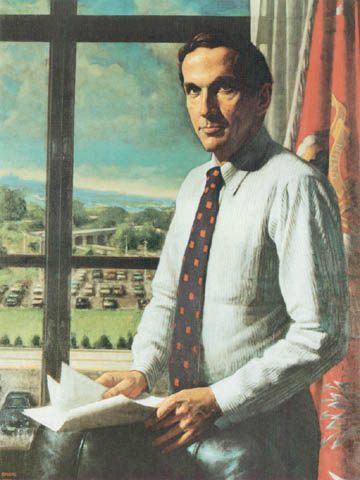


Career and official roles
Hoffmann was a lawyer by training and brought legal and administrative experience to the Pentagon. His tenure in senior roles coincided with a period of organizational transition for the U.S. Army. He is documented as having held these principal posts:
- General Counsel, Department of Defense (1974–1975): senior legal adviser within the Office of the Secretary of Defense.
- United States Secretary of the Army (Aug 5, 1975–Feb 13, 1977): civilian head of the Department of the Army, responsible for personnel, readiness, and policy matters.
Context and responsibilities
Hoffmann led the Army during the aftermath of the Vietnam War, a time when the service faced personnel, budgetary, and morale challenges. The mid-1970s were marked by a continuing drawdown of forces and the consolidation of an all-volunteer force that had replaced conscription earlier in the decade. As Secretary, Hoffmann dealt with issues common to senior defense leaders of the era: improving recruitment and retention, addressing quality-of-life concerns for soldiers and families, and supporting modernization within constrained budgets.
Early life and professional background
Born in Stockbridge, Massachusetts, Hoffmann pursued legal training and built a career that combined public sector legal work with executive responsibilities. His appointment as general counsel to the Department of Defense positioned him to advise on complex legal and policy questions before moving to the civilian leadership of the Army. Details of his private-sector work and later career are part of broader professional records.
Death and legacy
Martin R. Hoffmann died of cancer on July 14, 2014 in Warren, Virginia, at the age of 82. His time in office is noted for guiding the Army through a difficult transition period and for exemplifying the role of legally trained civilian leaders in defense administration. Researchers and readers can consult departmental histories and contemporary accounts for more on policy decisions made during his term.
For further biographical summaries and official records, see linked sources and archival materials concerning the Department of Defense and the Office of the Secretary of the Army. Additional context about the era helps explain the institutional pressures faced by Hoffmann and other senior leaders in the mid-1970s.
Author
AlegsaOnline.com Martin Richard Hoffmann Leandro Alegsa
URL: https://en.alegsaonline.com/art/126265