
Martha Wayles Skelton Jefferson
Martha Wayles Skelton Jefferson (1748–1782), wife of Thomas Jefferson, served as First Lady of Virginia and managed domestic and family affairs at Monticello; she died young after childbirth.
Overview
Martha Wayles Skelton Jefferson (October 30, 1748 – September 6, 1782) was the wife of Thomas Jefferson. She is best known for her role as the head of the Jefferson household during the years her husband rose to prominence in Virginia politics. Martha's life was shaped by family responsibilities, marriage, and the strains of 18th-century childbearing; she died more than a decade before Jefferson became President of the United States.
Image gallery
5 Images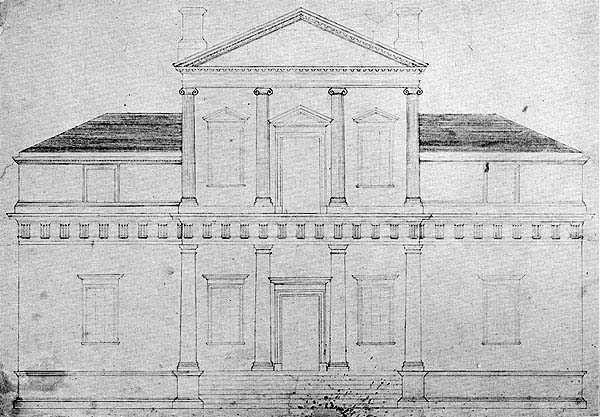


Early life and family background
Martha Wayles was born into a Virginia planter family in 1748. Her upbringing reflected the social and economic world of the colonial gentry: education at home, management of servants and enslaved people in the household, and preparation for the responsibilities of marriage. She first married a young attorney and became a widow before her later marriage to Jefferson. Her family connections and inheritance influenced both her own life and the estate she and Jefferson later managed together.
Marriage to Thomas Jefferson and domestic role
Martha married Thomas Jefferson in 1772. As his wife she presided over domestic life at Monticello and was involved in household management, social hospitality, and the upbringing of their children. During Jefferson's public service—especially while he served as Governor of Virginia—Martha performed duties that in her era were understood as the responsibilities of a governor’s wife: receiving visitors, managing servants, and maintaining the household under difficult wartime conditions.
Children, health, and death
The couple had several children, but 18th-century mortality rates meant that many did not survive to later life. Contemporary accounts and family letters describe repeated pregnancies and the toll they took on Martha’s health. She died in 1782, several months after giving birth to her last child. Her death left Jefferson a widower; family tradition and his own statements indicate he did not remarry, honoring her wishes.
Legacy and historical context
Martha Jefferson’s life is often discussed in relation to her husband’s political career and the household at Monticello. Historians note her role in family continuity, the management of domestic affairs, and the personal losses that affected Jefferson’s later life. Her story also intersects with broader themes of the colonial and Revolutionary era—including the realities of slavery, inheritance, and the social expectations placed on elite women.
Notable facts
- She was the only woman Thomas Jefferson married and died long before his presidency.
- Martha acted as a political spouse during Jefferson’s early public career, including his time as governor.
- Her family background and estate influenced the material circumstances of the Jefferson household.
- Her death and the children she bore had lasting effects on Jefferson’s private life and legacy.
For further reading about the family and the political world they inhabited, see materials on Thomas Jefferson, the role of a colonial Governor of Virginia, and Jefferson’s later presidency (President of the United States).
Author
AlegsaOnline.com Martha Wayles Skelton Jefferson Leandro Alegsa
URL: https://en.alegsaonline.com/art/126208