
Marie Jeanne Baptiste of Savoy, Duchess and Regent
Marie Jeanne Baptiste of Savoy (1644–1724), Duchess of Savoy by marriage and regent for her son Victor Amadeus II; influential court patron, political actor, and sister of a Portuguese queen.
Marie Jeanne Baptiste of Savoy (11 April 1644 – 15 March 1724) was Duchess of Savoy as the wife of Charles Emmanuel II and later served as regent for her son, Victor Amadeus II. Her lifetime spanned a turbulent period in Italian and European dynastic politics, and she is remembered both for her role in government and for shaping court life in Turin.
Image gallery
6 Images


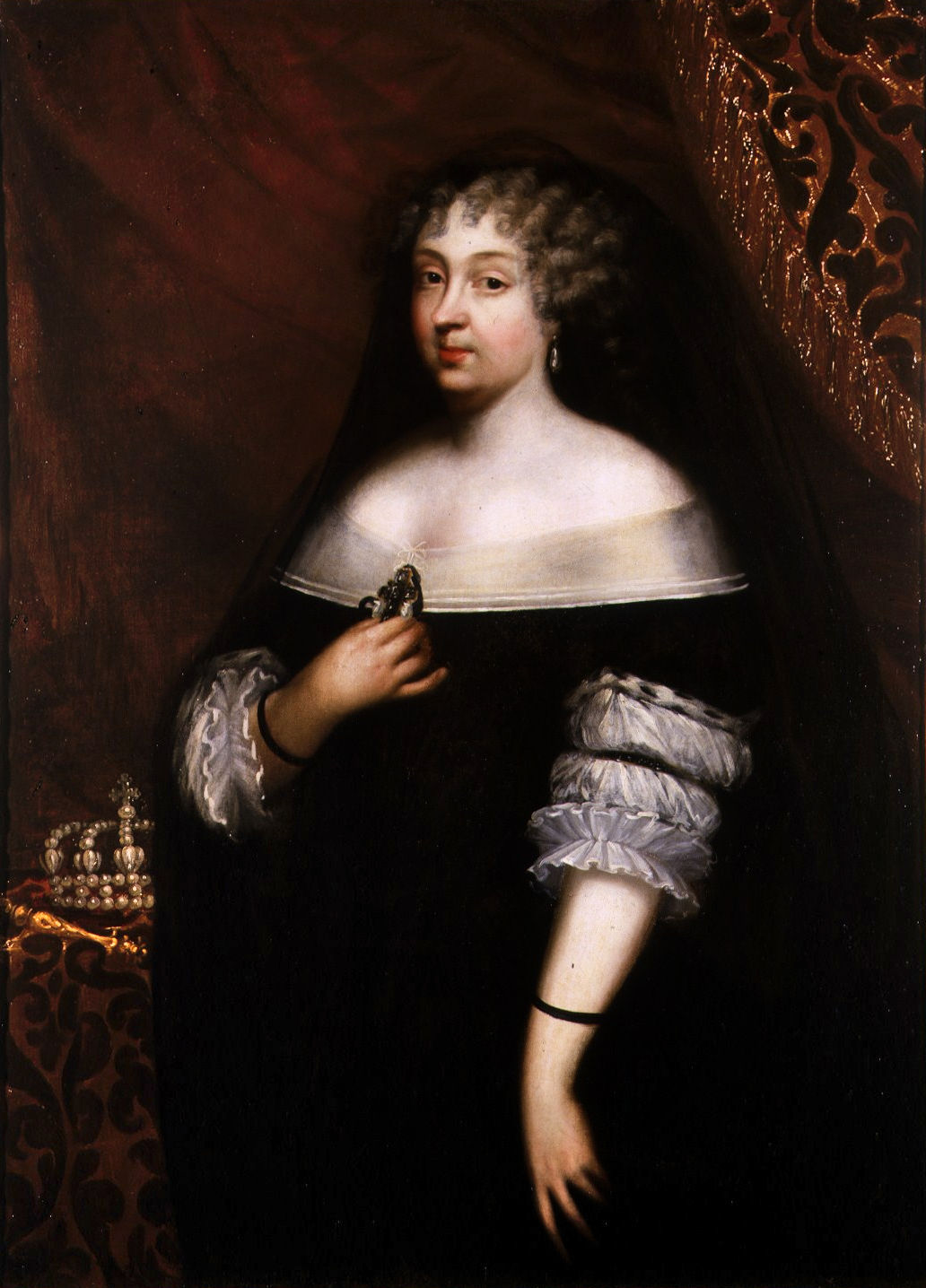


Origins and family
Born into a cadet branch of the House of Savoy, Marie Jeanne took part in dynastic marriage practices that linked Italian principalities with other European courts. Her marriage strengthened her husband's position and produced heirs, most notably Victor Amadeus II, who later rose to greater prominence. She was also the sister of a queen of Portugal, a connection that reflected the extensive kinship networks of seventeenth‑century royalty (see related dynastic ties).
Regency and political role
When her husband died leaving a minor as successor, Marie Jeanne assumed the regency and exercised real authority on behalf of her son. During this period she managed domestic administration, negotiated with powerful neighbors, and sought to preserve Savoyard independence amid French and Spanish interests. Her regency combined administrative oversight with careful alliance-making, though it also brought tensions with local nobility and, later, with her son as he came of age and asserted his authority.
Court life, patronage and legacy
As duchess and regent she fostered court culture, supporting the arts, ceremonial life, and the upkeep of princely residences. Her patronage helped shape the image of the Savoyard court and contributed to the cultural vibrancy of Turin. Historians note her long life and the political imprint she left through both governance and family connections; her son eventually continued the dynasty's elevation in Italy.
- Title: Duchess of Savoy and regent for Victor Amadeus II.
- Roles: Political regent, court patron, dynastic link between courts.
- Notable fact: Sister of a Portuguese queen, illustrating cross‑European family ties.
Marie Jeanne Baptiste's career illustrates the dual role many royal women played in early modern Europe: as household heads and cultural patrons, and as temporary holders of sovereign power when circumstances required.
Questions and answers
Q: Who was Marie Jeanne of Savoy?
A: Marie Jeanne of Savoy was Duchess of Savoy as the wife of Charles Emmanuel II, Duke of Savoy.
Q: When was Marie Jeanne of Savoy born?
A: Marie Jeanne of Savoy was born on 11 April 1644.
Q: When did Marie Jeanne of Savoy pass away?
A: Marie Jeanne of Savoy passed away on 15 March 1724.
Q: Did Marie Jeanne of Savoy ever act as Regent?
A: Yes, Marie Jeanne of Savoy acted as Regent for her son Victor Amadeus II.
Q: Besides being the Duchess of Savoy, what other royal relationship did Marie Jeanne of Savoy have?
A: Marie Jeanne of Savoy was the sister of the Queen of Portugal.
Q: What was Marie Jeanne of Savoy's birth name?
A: Marie Jeanne of Savoy's birth name was Marie Jeanne Baptiste.
Q: What was the title of the Duke of Savoy who Marie Jeanne was married to?
A: Marie Jeanne of Savoy was married to Charles Emmanuel II, Duke of Savoy.
Author
AlegsaOnline.com Marie Jeanne Baptiste of Savoy, Duchess and Regent Leandro Alegsa
URL: https://en.alegsaonline.com/art/126013