
Mariano Suárez Veintimilla — Ecuadorian politician and brief president (1897–1980)
Ecuadorian political figure who served as vice president (1946–47) and briefly as president in September 1947 during a turbulent period of mid‑20th century Ecuadorian politics.
Mariano Suárez Veintimilla (8 June 1897 – 23 October 1980) was an Ecuadorian public figure who held high office during a turbulent interval in his country's history. Trained and known primarily as a politician, he is remembered for serving as vice president and for a short, transitional presidency in 1947. His life and career reflect the instability of Ecuadorian politics in the mid‑20th century.
Image gallery
2 Images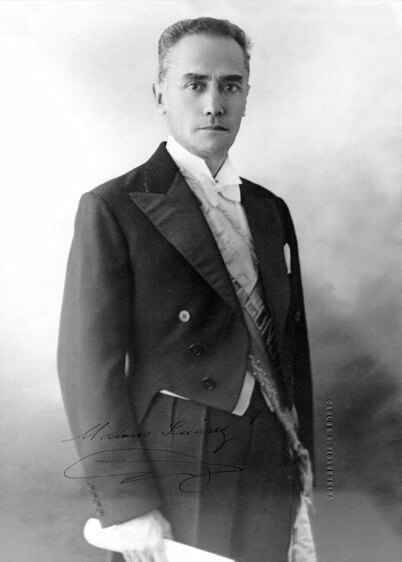
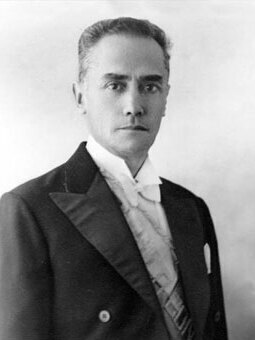
Political career and offices
Suárez was chosen to serve as vice president to President José María Velasco Ibarra during the administration that began in 1946. In that role, often described simply as the vice presidency, he acted as a constitutional successor and as a senior member of the national cabinet. His tenure as vice president lasted into 1947, a year marked by coup attempts and rapid changes of leadership.
In August and September 1947 Ecuador experienced a brief but decisive power struggle. Forces led by Carlos Mancheno Cajas removed elements of the sitting government, displacing Suárez from his vice‑presidential functions. Mancheno soon lost control himself, and in the aftermath Mariano Suárez assumed the presidency on 2 September 1947. His time as head of state was short: he served until 15 September 1947, a 13‑day provisional term that bridged between competing factions and allowed for a return to civilian rule.
Context and significance
Suárez's brief presidency is often cited as an example of mid‑century Ecuadorian volatility, when military interventions, political alliances and short governments were common. Short caretaker administrations like his helped stabilize succession, even if only temporarily. Because his national leadership was transitional, his period in office involved managing immediate constitutional and administrative questions rather than long‑term policy initiatives.
Key dates and legacy
- Born: 8 June 1897
- Vice President: 1946–1947 (under Velasco)
- President: 2 September 1947 – 15 September 1947
- Died: 23 October 1980 in Quito, Ecuador, aged 83
Observers and historians regard Mariano Suárez Veintimilla as a noteworthy transitional leader. Though his time at the head of state was brief, it illustrates constitutional mechanisms of succession and the practical challenges of governance during a volatile era. His career remains a point of reference when discussing Ecuador's recurrent cycles of political instability in the 1940s and the role played by short‑term administrations in restoring order.
Notable facts:
- Suárez reached the highest office in Ecuador by constitutional succession rather than by a lengthy electoral mandate.
- His presidency lasted less than three weeks, one of several short tenures in the decade.
- He lived to advanced age and died of natural causes in the capital city where he spent his final years.
Further reading on the political context of Suárez's time can be sought through general histories of Ecuador and studies of the Velasco Ibarra administrations and the 1947 crisis. For contemporary reference points, summaries of vice presidential succession and brief caretaker governments offer insight into the function and limits of short‑term presidencies.
Author
AlegsaOnline.com Mariano Suárez Veintimilla — Ecuadorian politician and brief president (1897–1980) Leandro Alegsa
URL: https://en.alegsaonline.com/art/125964