
Marcus Junius Brutus: Roman leader and central figure in Caesar's assassination
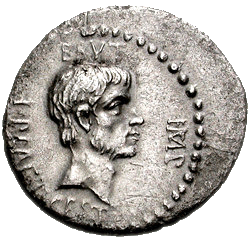
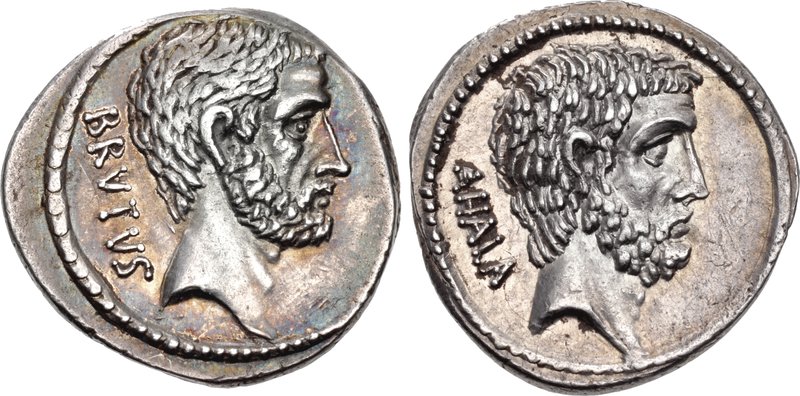
Marcus Junius Brutus (c. 85–42 BC) was a Roman politician and philosopher best known for his leadership among the conspirators who killed Julius Caesar and for his role in the civil wars that followed.
Overview
Marcus Junius Brutus (c. 85–42 BC) was a prominent politician, senator and intellectual active during the final decades of the Roman Republic. He is most widely remembered as one of the principal organizers of the assassination of Julius Caesar, an act motivated by a mixture of political conviction, personal history and competing loyalties during a time of rapid constitutional change.
Image gallery
9 Images



Background and character
Born into a well-connected Roman family, Brutus was associated with leading aristocratic circles and received a philosophical education that included Stoic ideas about duty and virtue. Contemporary and later writers emphasize his reputation for seriousness, austerity and an image of public-mindedness that helped persuade others to follow him into conspiracy.
Political life and motives
In the decade before the assassination, Brutus took part in the republic’s turbulent politics: he sided with the senatorial cause in the civil war against Julius Caesar but was later pardoned and reintegrated. His decision to join the plot has been interpreted as stemming from a desire to defend the Roman Constitution and the idea of "libertas" (political freedom), though personal and familial ties to Caesar complicated his position.
Assassination and aftermath
On the Ides of March (44 BC), conspirators led by Brutus and others attacked Caesar in the Senate. The killing did not restore republican stability; instead it unleashed further civil wars. Brutus and his co-leaders retreated east, raised armies and confronted the forces of the Second Triumvirate. After defeat at Philippi in 42 BC, Brutus took his own life.
Legacy and notable facts
- Brutus has been a frequent subject of historical debate and artistic depiction, often symbolizing the conflict between republican ideals and autocratic rule.
- The famous line "Et tu, Brute?" is a dramatic invention popularized by later literature, not a reliable historical quotation.
- His life illustrates the interplay of personal loyalty, political principle and the violent dynamics that ended the Roman Republic.
For broader context on the political environment in which Brutus acted, see works on the late Roman Republic and the civil wars that followed Caesar’s death.
Author
AlegsaOnline.com Marcus Junius Brutus: Roman leader and central figure in Caesar's assassination Leandro Alegsa
URL: https://en.alegsaonline.com/art/125874