
Mackenzie Bowell: fifth Prime Minister of Canada and 19th-century statesman
Biography and overview of Sir Mackenzie Bowell (1823–1917), his career as a newspaper publisher and longtime parliamentarian, brief prime ministership (1894–1896), and his place in Canadian political history.
Sir Mackenzie Bowell (27 December 1823 – 10 December 1917) was a Canadian statesman who served as the fifth Prime Minister of Canada from 21 December 1894 to 27 April 1896. A prominent Conservative of the late 19th century, Bowell combined a background in journalism and long parliamentary service with a reputation for steadiness and loyalty. His time as prime minister was short but notable for the constitutional and cultural disputes that dominated Canadian politics of the era.
Image gallery
6 Images

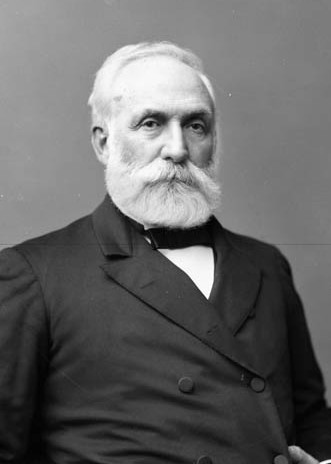

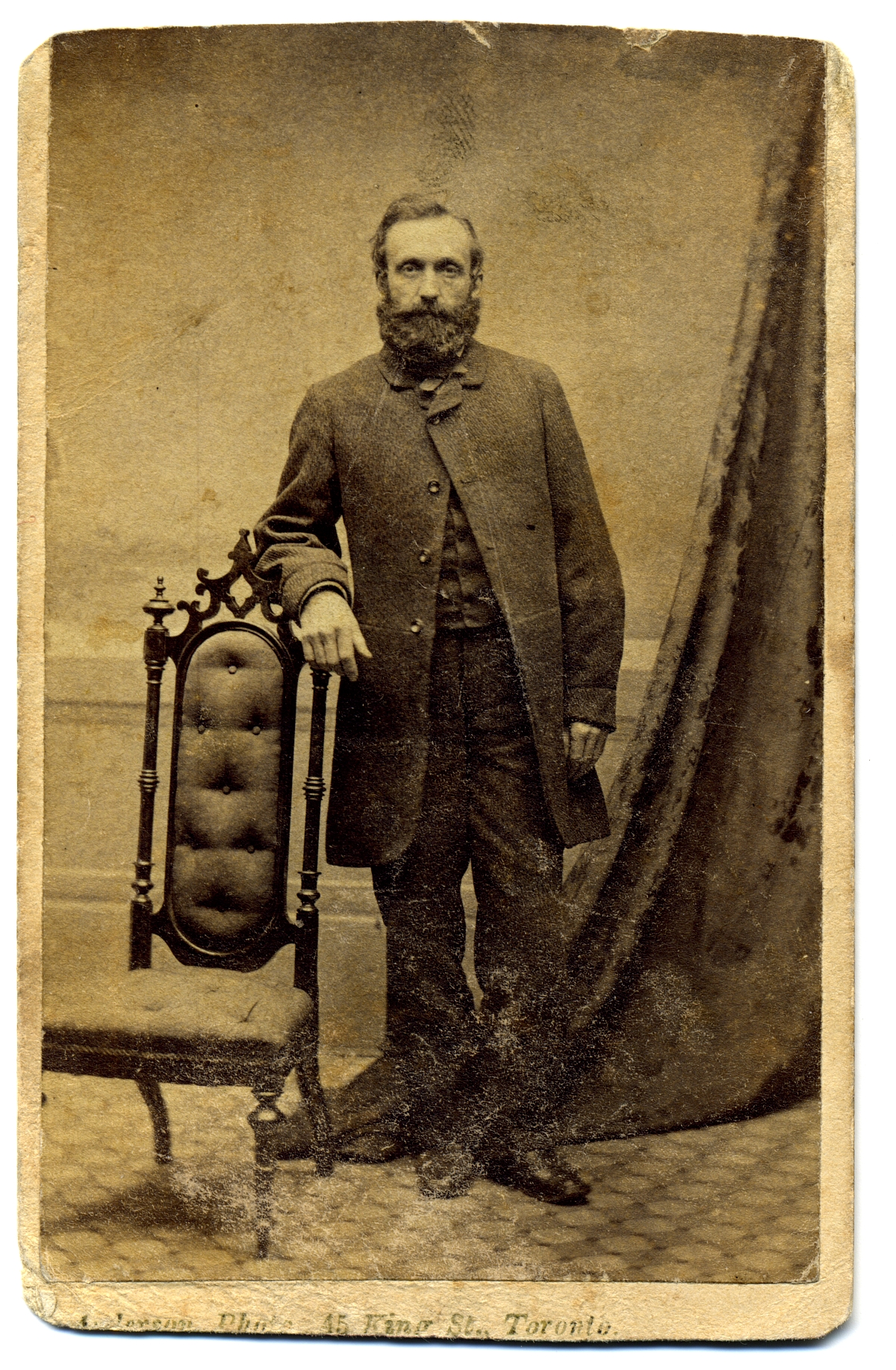

Early life and professional background
Born in England in 1823, Bowell emigrated with his family to what was then British North America and established himself in the town of Belleville, where he became a newspaper publisher. His experience as an editor and local civic figure helped launch his political career. Over many years he built influence through public commentary and active participation in regional affairs before moving into federal politics.
Parliamentary career and government service
Bowell served for decades as a member of the Conservative parliamentary team and held senior positions within successive administrations. Known for his patience and institutional knowledge, he was regarded as a reliable member of cabinet and a stabilizing presence. He acquired seniority that made him a natural choice for leadership when his party lost its headship by unexpected events.
Prime ministership and the Manitoba Schools Question
Bowell became prime minister following the death of his predecessor. His administration coincided with the heated Manitoba Schools Question, a conflict over the rights of religious and linguistic minority education that divided parties and strained federal–provincial relations. The controversy provoked intense debate within his own party and parliament, and Bowell struggled to maintain unity. Internal dissent and an inability to resolve the dispute ultimately led to his resignation after a short tenure in office.
Later years and historical significance
After leaving the prime minister's office, Bowell remained a public figure until his death in 1917. He had been knighted and is remembered for his long service to public life, his journalistic roots, and his appearance in one of Canada’s formative political controversies. Historians see him as representative of a generation that bridged local civic leadership and national politics in a period of rapid change.
Notable facts
- He was 71 when he assumed the prime ministership, making him one of the older first-term prime ministers in Canadian history.
- His brief government illustrates how issues of language, religion and education shaped federal politics in late 19th-century Canada.
- Bowell’s background as a newspaper publisher influenced his approach to public communication and constituency relations.
For readers seeking a concise portrait: Bowell combined local influence, long parliamentary experience and a cautious leadership style, but his time as prime minister was overtaken by controversies that exposed deep national divisions and ended his administration within a year.
Related articles
Author
AlegsaOnline.com Mackenzie Bowell: fifth Prime Minister of Canada and 19th-century statesman Leandro Alegsa
URL: https://en.alegsaonline.com/art/125628