
Loretta Lynch — U.S. Attorney General and veteran federal prosecutor
Loretta Lynch (born 1959) served as the 83rd U.S. Attorney General (2015–2017). A longtime federal prosecutor, she led the Eastern District of New York and worked on civil rights, public corruption and criminal justice issues.
Loretta Elizabeth Lynch (born May 21, 1959) is an American lawyer who served as the 83rd Attorney General of the United States from April 2015 to January 2017. A career prosecutor before her appointment, she gained national attention as a senior federal law enforcement official and as the first African American woman confirmed to serve as U.S. Attorney General.
Image gallery
7 Images


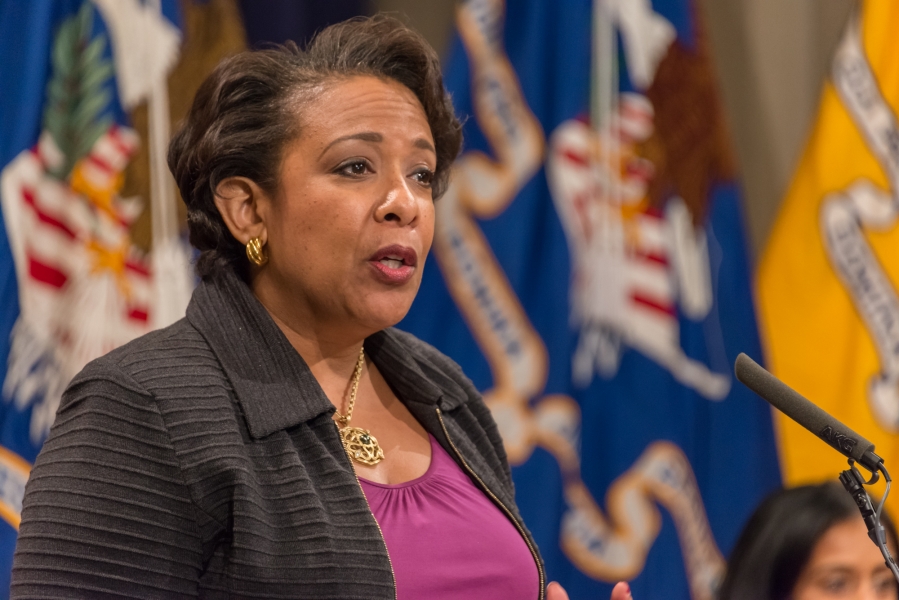
Background and education
Lynch studied at Harvard College and later earned a law degree from Harvard Law School. Early in her career she worked in private practice and then joined the federal prosecutor's office, where she developed experience in complex criminal litigation, including cases involving organized crime, public corruption and civil rights violations.
Career in public service
She served two separate terms as United States Attorney for the Eastern District of New York, first at the turn of the century and again beginning in 2010. In that role she oversaw prosecutions in one of the country's most active federal jurisdictions, handling a wide range of matters from financial crimes to terrorism-related investigations.
- United States Attorney for the Eastern District of New York (1999–2001; 2010–2015)
- United States Attorney General (April 27, 2015–January 20, 2017)
Tenure as Attorney General
President Barack Obama nominated Lynch for Attorney General in November 2014; after an unusually protracted confirmation process she was confirmed by the Senate in April 2015 by a vote of 56–43. Her time at the Department of Justice emphasized civil rights enforcement, efforts to address disparities in the criminal justice system, and coordination on counterterrorism and national security matters.
Controversies and legacy
Lynch's confirmation and tenure included high-profile moments that prompted public scrutiny, including her decision to recuse herself from certain politically sensitive investigations and a widely reported private meeting that drew debate about conflicts of interest. Supporters note her role in expanding civil rights work at the Justice Department; critics pointed to disputes over prosecutorial discretion and political pressures on law enforcement.
After leaving the Department of Justice, Lynch returned to roles in private practice, public speaking and civic engagement. For further official biographical and career information see official profile and contemporary coverage at news and analysis.
Related articles
Author
AlegsaOnline.com Loretta Lynch — U.S. Attorney General and veteran federal prosecutor Leandro Alegsa
URL: https://en.alegsaonline.com/art/125323