
Bob Kane: American cartoonist and co-creator of Batman
Bob Kane (1915–1998) was an American cartoonist best known for creating Batman. This article covers his life, work, collaborations, credit disputes, and his influence on comics and popular culture.
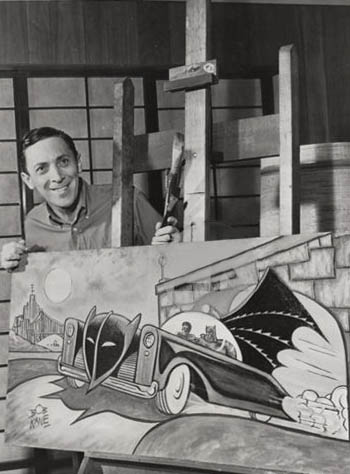
Bob Kane (October 24, 1915 – November 3, 1998) was an American cartoonist and illustrator whose name became widely associated with one of the twentieth century's most enduring fictional heroes, Batman. Kane worked in the comics industry during its formative years and helped shape the visual language of superheroes for newspapers, comic books and later adaptations.
Image gallery
4 Images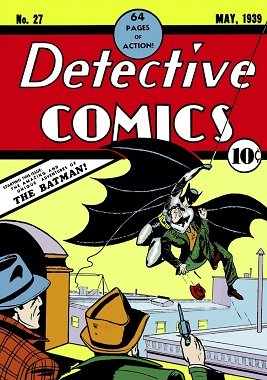


Early life and career
Kane trained as an artist and entered commercial illustration and animation before moving into comic books. Early in his career he produced strip work and freelance pieces, developing a stylized noir-influenced aesthetic. He is often described in histories of the medium as a prominent comic-book artist of the 1930s and 1940s, contributing to the rapid growth of superhero fiction.
Creation of Batman and collaborators
The character that became Batman debuted in 1939 and was the product of collaboration, ideas, and revisions. While Kane received primary public credit for the character, other creators contributed significantly to Batman's final form. Notably, writer and designer Bill Finger suggested important elements that shaped the character's look and origin.
- Costume and tone: the cape, cowl and darker crime-fighter image drew on pulp and cinematic influences.
- Identity and origin: the civilian persona and tragic backstory helped set Batman apart from more colorful contemporaries.
- Supporting cast and villains: early collaborators also helped develop allies and antagonists central to the mythos.
Credit, disputes and later recognition
Kane's contract and publicity led to him receiving sole creator credit for many years. That situation generated debate and criticism among fans, historians, and other creators, and it influenced legal and financial discussions about creator rights in the comics industry. In more recent decades, companies and media projects have moved to acknowledge the roles of Finger and other contributors alongside Kane.
Legacy and cultural importance
Bob Kane's association with Batman ensured a lasting place in popular culture: the character has appeared in comics, radio, television, film and merchandising across generations. Kane's art and promotional work helped define a visual standard for superheroes, and discussions about his career continue to inform debates about authorship and credit in collaborative media. For further reading on his life, works and archives, see selected biographical entries and collections here.
For a focused look at Kane's published output and influence on the comics industry, consult dedicated histories and retrospective studies that examine both his personal contributions and the collaborative nature of early comic-book creation. Additional resources and primary documents are available through curated bibliographies and archival projects listed by specialty sites.
Related articles
Author
AlegsaOnline.com Bob Kane: American cartoonist and co-creator of Batman Leandro Alegsa
URL: https://en.alegsaonline.com/art/12505
Sources
- newsblaze.com : newsblaze.com/story/20080520172950sean.nb/topstory.html