
List of Neon Genesis Evangelion characters
An organized guide to the principal and supporting characters from Neon Genesis Evangelion, summarizing roles, relationships, development, and notable distinctions across versions of the franchise.
Neon Genesis Evangelion centers on a cast of young pilots, military personnel and shadowy officials who confront both monstrous threats and personal crises. The series' characters drive much of its psychological and philosophical weight: their identities, motivations and interpersonal conflicts are as important as the mecha battles. For a basic roster and further reading see related character lists.
Image gallery
10 Images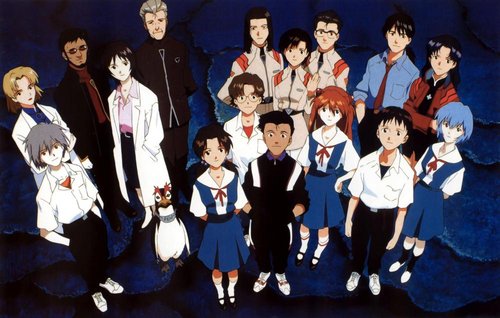



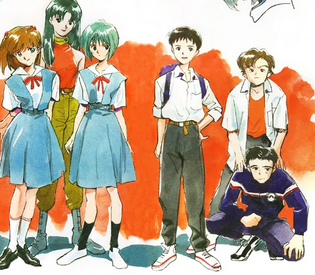
Main characters
- Shinji Ikari — The reluctant protagonist and pilot of Evangelion Unit-01. Reserved and introspective, his relationships with others form a central emotional thread.
- Rei Ayanami — A quiet, enigmatic pilot whose origins are entwined with the series' mysteries. Her demeanor and choices raise questions about identity and humanity.
- Asuka Langley Soryu — Outspoken and competitive pilot of Unit-02. Her confidence masks vulnerability and contributes to interpersonal tension among the main trio.
- Kaworu Nagisa — A later, enigmatic figure whose arrival has major narrative significance and affects the protagonists on an emotional and philosophical level.
Supporting characters and organizations
- Misato Katsuragi — NERV operations director and guardian to the young pilots; balances military duty with personal care.
- Gendo Ikari — NERV commander and Shinji's father, whose inscrutable plans and distant parenting are central to plot tensions.
- Ritsuko Akagi — NERV scientist involved in technical and ethical dilemmas surrounding the Evas.
- Kazuo Kaji — An investigator and complex ally with ties to intelligence and romantic subplots.
- SEELE — A secretive council manipulating events behind the scenes; their goals complicate NERV's mission.
- Angels — A series of antagonistic beings with diverse forms and motives; each encounter reveals character and thematic depth.
The characters are notable for psychological realism and ambiguity. Rather than simple archetypes, many are depicted with conflicting desires, traumas and moral gray areas. Interpersonal relationships—family ties, rivalries, attachments and betrayals—play out alongside the speculative elements, and psychotherapy and introspection are recurring motifs.
Historically, the franchise began as a mid-1990s anime known for reshaping mecha conventions and focusing intensely on character interiority. Creators and later adaptations expanded or reinterpreted several figures. Notable distinctions exist between the original television series, the alternative-resolution film and subsequent "Rebuild" movies, which offer different emphases on certain characters and plot outcomes.
Because characters carry both narrative and symbolic weight, they have influenced critical discussion, fan interpretation and merchandise. Readers seeking detailed episode-by-episode roles, voice cast information or variant portrayals should consult specialized databases and official materials linked from comprehensive lists such as the one at this reference.
Related articles
Author
AlegsaOnline.com List of Neon Genesis Evangelion characters Leandro Alegsa
URL: https://en.alegsaonline.com/art/124868