
List of Indo-European languages — overview and major branches
Survey of the Indo-European language family: its major branches, characteristics, origin hypotheses, historical development, and notable examples and distinctions.
Overview
The Indo-European languages form one of the world's largest and most widely spoken language families. All members are believed to descend from a reconstructed ancestor called Proto-Indo-European. Today the family includes both living tongues spoken by hundreds of millions and several extinct branches known from texts.
Image gallery
10 Images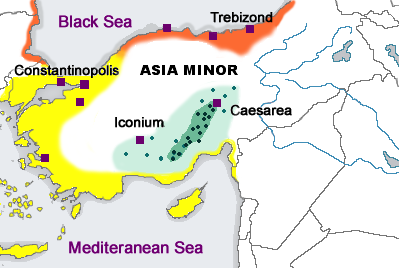




Major branches
The family is conventionally divided into a number of branches. Key groups are listed below with typical examples and broad regions where they are or were spoken.
- Indo-Iranian: Hindi, Bengali, Punjabi, Persian, Pashto — South Asia and Iran.
- Germanic: English, German, Dutch, Swedish — northern and western Europe, global diaspora.
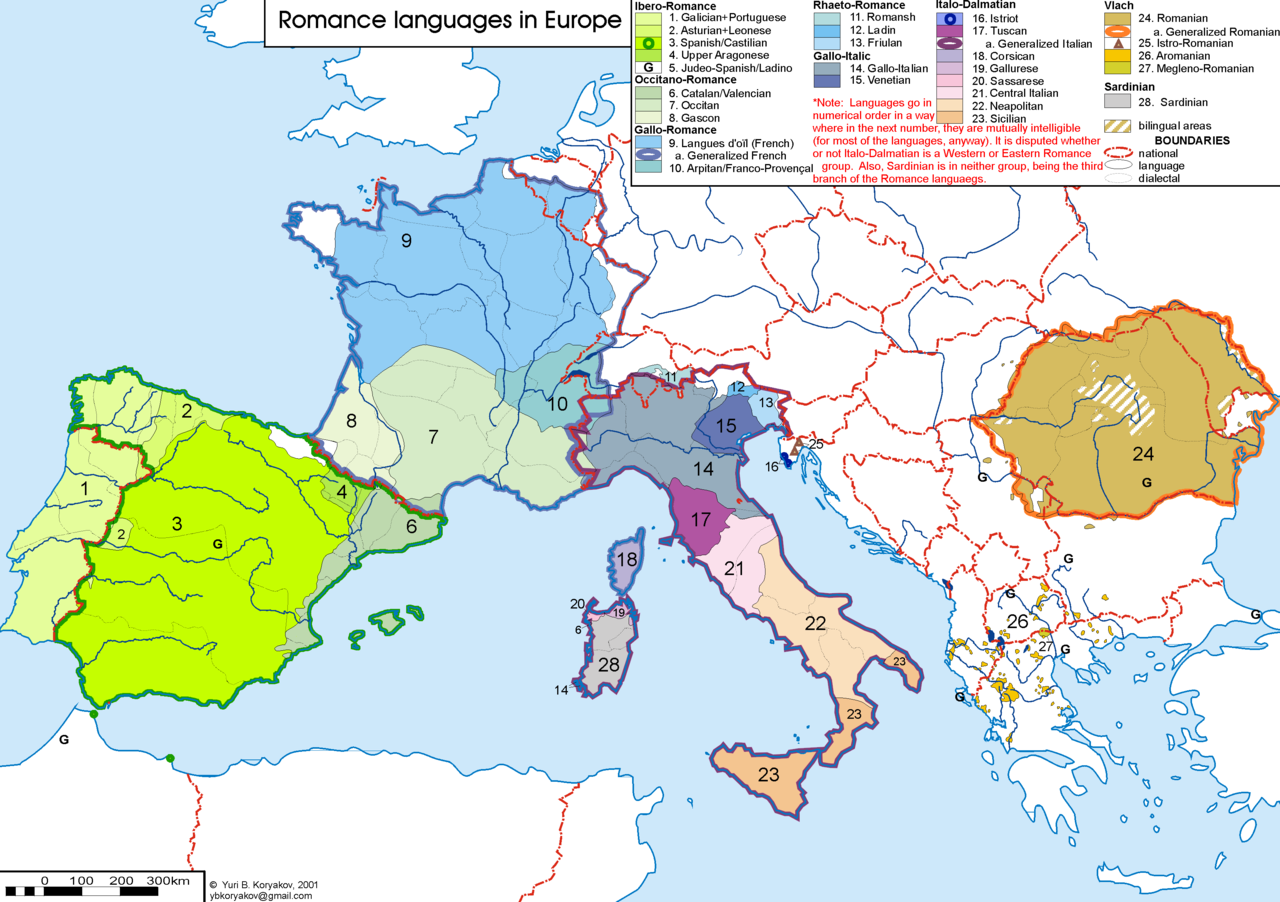
- Romance (Italic): Spanish, Portuguese, French, Italian — descended from Latin, widespread worldwide.
- Balto-Slavic: Russian, Polish, Ukrainian, Lithuanian, Latvian — eastern and northern Europe.
- Celtic: Irish, Welsh, Breton — historically across much of western Europe.
- Hellenic: Greek — long continuous literary history.
- Armenian and Albanian: single branches with distinct developments.
- Anatolian (extinct): Hittite and related languages preserved in ancient inscriptions.
- Tocharian (extinct): attested in medieval manuscripts from the Tarim Basin.
Origins and spread
Linguists reconstruct Proto-Indo-European using the comparative method. Major archaeological and linguistic models place its speakers in the Eurasian steppe or nearby regions in the late Neolithic to early Bronze Age; subsequent migrations and cultural contact spread daughter languages across Europe, South Asia and parts of western Asia.
Features and reconstruction
Members share characteristic features such as complex inflectional morphology, cognate basic vocabulary, systematic sound correspondences (e.g., Grimm's Law), vowel alternations (ablaut) and a range of case systems. Comparative work yields reconstructed phonology, morphology and common roots.
Significance and examples
Indo-European languages include many global lingua francas and literary traditions — for example English, Spanish, Hindi and Russian. Their study has been central to historical linguistics and has helped develop methods for reconstructing prehistoric language stages. For further reading see related resources.
Notable facts
Debates remain about the exact homeland and timing of dispersal, and some branches (Anatolian, Tocharian) preserve features that illuminate early splits. The family continues to be a primary focus for comparative and historical study.
Related articles
Author
AlegsaOnline.com List of Indo-European languages — overview and major branches Leandro Alegsa
URL: https://en.alegsaonline.com/art/124753