
List of airports in Japan: overview, types, and notable examples
Organized guide to airports in Japan, covering major hubs, regional and military airfields, historical development, roles and distinctions, with examples and how they are grouped.
Overview
Japan's airports form a dense and varied network serving one of the world's most heavily traveled island nations. Airports range from large international hubs to small island airstrips and military bases. For a structured listing, see the List of airports and contextual information about Japan.
Image gallery
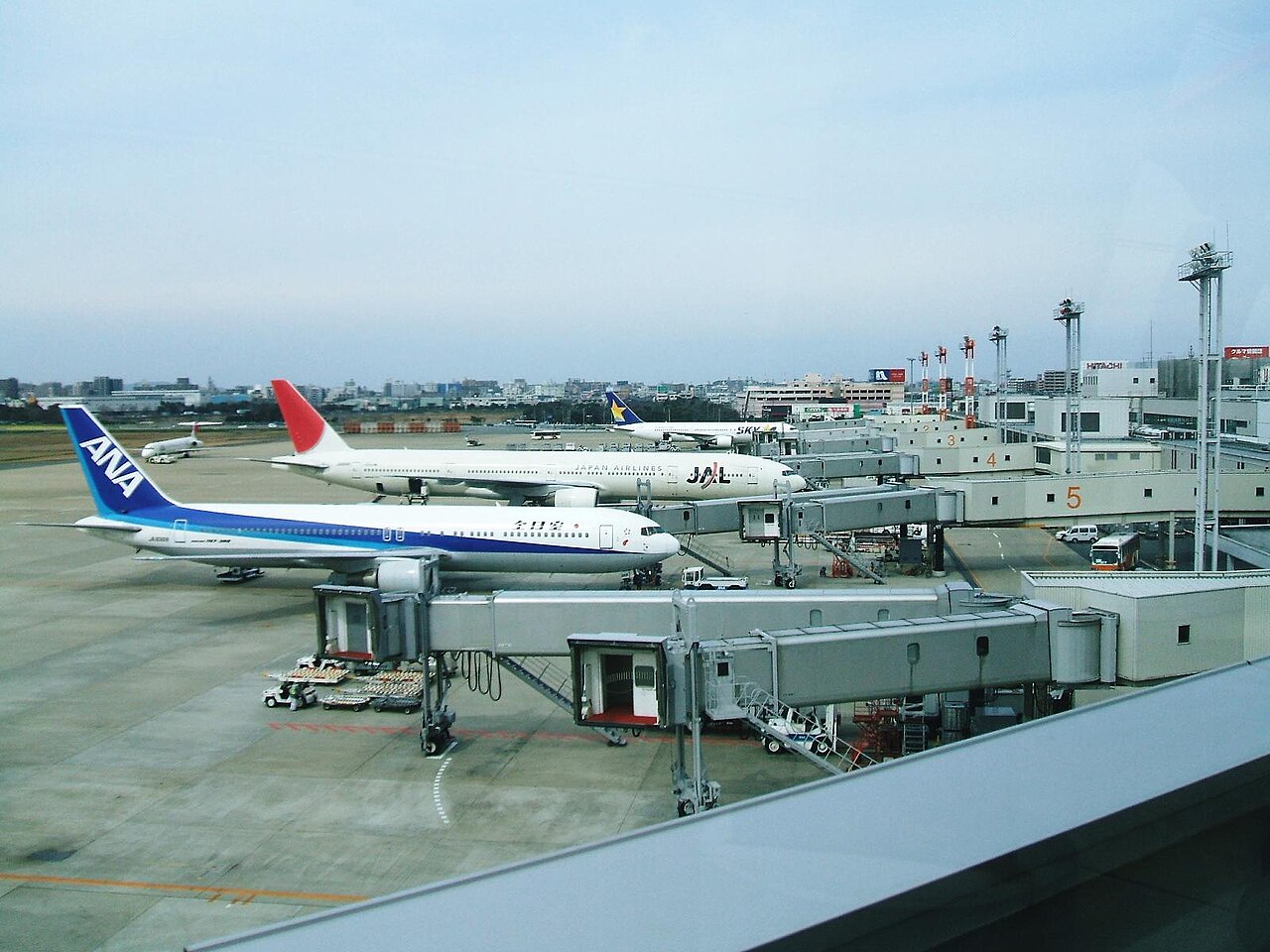
2 Images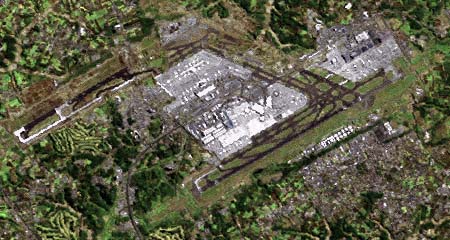
Types and characteristics
Airfields in Japan are commonly categorized as international airports, domestic/regional airports, shared civil–military (joint-use) facilities, purely military bases operated by the Japan Air Self-Defense Force, and smaller aerodromes that support general aviation or island connectivity. Facilities differ in runway length, terminal capacity, cargo handling, and instrument approach capability.
Notable airports and hubs
Major examples include Tokyo Haneda (HND) and Narita (NRT), which together serve Tokyo-area domestic and international traffic; Kansai International for the Kansai region; Chubu Centrair serving the Nagoya area; New Chitose near Sapporo for Hokkaido; Fukuoka for Kyushu; and Naha on Okinawa, which links the southern islands. Each plays distinct roles as international gateways, domestic transfer points, or regional connectors.
Regional grouping and lists
- Hokkaido and Tohoku: New Chitose, Sendai
- Kanto: Haneda, Narita
- Chubu and Kansai: Chubu Centrair, Kansai Intl.
- Chugoku, Shikoku, Kyushu, Okinawa: Fukuoka, Naha and numerous smaller island airfields
History and development
Japan's civil aviation network developed rapidly in the 20th century, with military-era airfields repurposed after World War II and new purpose-built airports opening to meet postwar growth. The late 20th and early 21st centuries brought capacity expansions, modern terminal design, and increased international service. In recent decades low-cost carriers and improved regional links have changed traffic patterns and prompted upgrades at smaller airports.
Uses, importance and distinctions
Air transport in Japan supports business and leisure travel, time-sensitive cargo, medical evacuation and disaster response, and essential links to remote islands. Distinctions among airports include their busiest roles (domestic hub versus international gateway), runway capability for widebody freighters, and whether they operate as joint civil–military facilities. For detailed tables, schedules and codes, consult comprehensive airport lists and regional aviation guides.
Related articles
Author
AlegsaOnline.com List of airports in Japan: overview, types, and notable examples Leandro Alegsa
URL: https://en.alegsaonline.com/art/124470
Sources
- nippon.zaidan.info : Airport Development Law
- mlit.go.jp : Kansai International Airport
- mlit.go.jp : Narita International Airport
- fuk-ab.co.jp : About Fukuoka Airport
- kitakyushuairportcarrental.com : Kitayushu Kokura Airport Information,
- sendaiairportcarrental.com : Airport info
- kobe-cci.weebly.com : Promoting Kobe Airport
- town.okinoshima.shimane.jp : 隠岐空港について
- translate.google.com : About Oki Airport
- aerosim.co.jp : Oshima Airport RJTO
- globalsecurity.org : Facilities, Japan Ground Self Defense Force
- mlit.go.jp : CHUBU CENTRAIR International Airport
- mlit.go.jp : Tokyo International (Haneda) Airport
- japaneselifestyle.com.au : Osaka International Airport