
List of British royal residences: ownership, use and examples
Comprehensive overview of residences used by the British royal family, explaining which are state-held or private, seasonal patterns, management and notable historical distinctions.
The British royal family occupies a range of residences across the United Kingdom, from large working palaces used for state business to privately owned country houses used as family retreats. These sites vary in ownership, purpose and seasonal use. For a general orientation to their locations and functions see residences around the United Kingdom.
Image gallery
5 Images


Ownership and management
Royal residences fall into two broad categories: those held in trust for the nation and those owned privately by members of the royal family. State palaces are occupied by the monarch in an official capacity and are managed and maintained for public and ceremonial use. Private properties have been inherited and are treated as personal estates. The Royal Household Property Section looks after the occupied residences, while certain former palaces and historic sites are managed by an independent body that opens them to visitors and cares for their fabric.
Some prominent examples
- Buckingham Palace: the monarch's principal official residence in London, used for investitures, state receptions and as a workplace for many royal offices.
- Windsor Castle: a medieval fortress and a working royal home, regularly used for both private residence and ceremonial events.
- Palace of Holyroodhouse: the sovereign's official residence in Scotland, traditionally occupied during the annual Holyrood Week.
- Balmoral Castle: a private Scottish estate inherited by the royal family and traditionally used as a summer retreat; see Balmoral Castle.
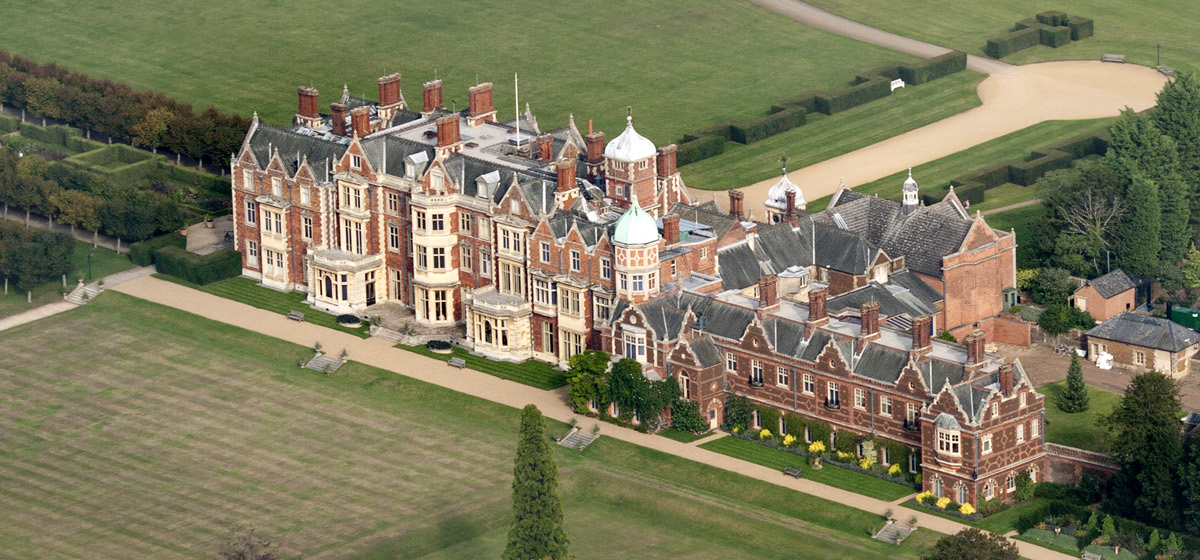
- Sandringham House: a privately owned Norfolk estate long associated with Christmas gatherings and family life; see Sandringham House.
- Palace of Westminster and Palace of Whitehall: examples of former royal palaces now serving other functions or no longer extant; see Palace of Westminster and Palace of Whitehall.
Beyond these, a number of historic royal buildings are no longer regular residences but remain important for public heritage and tourism. An agency independent of the Royal Household cares for several unoccupied palaces and opens many to the public; see unoccupied royal palaces of England for more information.
Uses and seasonal patterns
Certain houses are associated with particular seasons or events. Balmoral is traditionally used in summer, Sandringham at Christmas and Holyroodhouse during the Scottish summer engagements. Buckingham Palace and Windsor Castle are used year-round for official ceremonies, receptions and private apartments. Many of these residences combine public functions—state banquets, diplomatic receptions, ceremonial occasions—with private living spaces for the royal family.
Notable distinctions and legal points
State-owned palaces are held in trust and are not private property of the sovereign; they are retained for the institution of the Crown and used for public duties. Private estates remain personal property. Some historic privileges and exemptions apply in specific contexts at certain palaces; for example, longstanding arrangements have affected taxation and operational rules at particular sites. The distinction between working royal residences and historic former palaces is important for understanding who manages, finances and opens each site to the public.
For readers seeking more detail, individual residences have their own histories, architectural features and public access arrangements; further reading and official visitor information are available through the referenced resources above.
Questions and answers
Q: What are the legal privileges of Royal Palaces?
A: Royal Palaces enjoy certain legal privileges, such as an exemption from levying duty on alcoholic beverages sold in the bars at the Palace of Westminster and exemptions from Health and Safety legislation.
Q: Who is responsible for caring for and maintaining occupied royal residences?
A: The occupied royal residences are cared for and maintained by the Royal Household Property Section.
Q: Are all royal palaces still used as residences?
A: No, some royal palaces are no longer used as residences (e.g. the Palace of Westminster, the Palace of Whitehall). Some remain in irregular use for royal occasions.
Q: What kind of properties do members of the British Royal Family live in?
A: Members of the British Royal Family live in many different types of properties around the United Kingdom, including both state-owned royal palaces held in trust by the monarch, as well as privately owned properties that have been inherited over several generations.
Q: What is Balmoral Castle and Sandringham House?
A: Balmoral Castle and Sandringham House are privately owned properties that have been inherited over several generations by members of the British Royal Family.
Q: Who is responsible for unoccupied royal palaces in England?
A: Unoccupied royal palaces in England are now within responsibility of Historic Royal Palaces Agency.
Related articles
Author
AlegsaOnline.com List of British royal residences: ownership, use and examples Leandro Alegsa
URL: https://en.alegsaonline.com/art/124526
Sources
- rbkc.gov.uk : Royal Borough of Kensington & Chelsea – Interesting Places – Crosby Hall
- royal.gov.uk : Royal.gov.uk – 60 Facts, Fact 50