
Knut Eriksson — 12th-century Swedish king and dynastic figure
Knut Eriksson (d. 1195/96) was a 12th-century ruler of Sweden associated with the House of Eric. His reign (c.1173–1195) is known from sparse chronicles and later tradition, marked by dynastic rivalry and church relations.
Overview
Knut Eriksson (born before 1150; died 1195/96) is recorded in medieval Scandinavian sources as a king of Sweden who reigned during the late 12th century. Modern knowledge of his life and rule depends on fragmentary chronicles, later saga material and scattered administrative notices. Dates and details vary between sources, but many accounts place his reign roughly between 1173 and 1195.
Image gallery
3 Images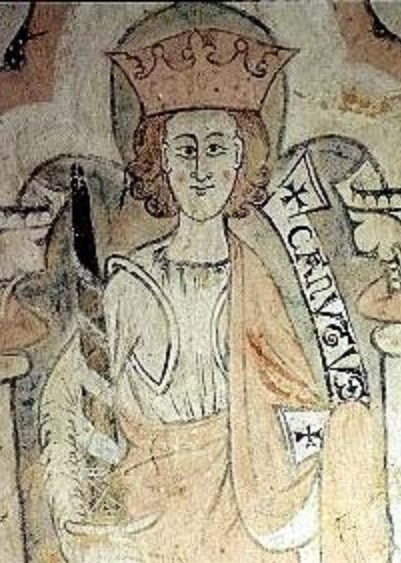


Background and identity
Knut is traditionally linked to the so-called House of Eric, one of the dynastic lines competing for the Swedish crown during this era. Contemporary records are scarce, and later medieval writers sometimes mix memory and legend. Historians therefore treat certain claims—such as exact birth year, family relations, or specific battlefield events—with caution.
Reign and activities
During his rule Knut appears to have been engaged in the persistent dynastic struggles that characterized 12th‑century Sweden. These contests involved rival noble families and periodic conflict with neighboring kingdoms. Like other rulers of the period, he would have balanced military action with negotiations, local alliances and church relationships to secure authority.
Administration and society
Evidence for governmental practices under Knut is limited. Kings of this period typically exercised influence through local magnates, managed disputes at assemblies (things), and sought legitimacy by cooperating with ecclesiastical leaders. Surviving sources suggest a continuity of these patterns rather than radical institutional change during his reign.
Legacy and historical significance
Knut Eriksson’s legacy lies chiefly in his role within the longer dynastic contest between the Eric and Sverker lines. After his death in 1195/96 the struggle for succession continued, shaping Swedish politics into the next century. Because primary documents are sparse, much of his reputation depends on interpretation of later chronicles and archaeological contexts.
Further reading and sources
- General accounts and modern summaries: overview resources
- Primary-text collections and translations: chronicles and sagas
- Specialist studies on Swedish dynasties: academic analyses
- Repositories of medieval documents and numismatic evidence: archival references
Related articles
Author
AlegsaOnline.com Knut Eriksson — 12th-century Swedish king and dynastic figure Leandro Alegsa
URL: https://en.alegsaonline.com/art/123810