
Kenneth Claiborne Royall — last U.S. Secretary of War and first Secretary of the Army
U.S. Army officer and government official who served as the last Secretary of War and the first Secretary of the Army (1947–1949), playing a role in the post‑World War II reorganization of the U.S. military.
Overview
Kenneth Claiborne Royall, born July 24 in 1894 and deceased May 25 in 1971, was an American military officer and public official. He is best known for being the final holder of the title Secretary of War and, after a statutory reorganization of the national security establishment, the first Secretary of the Army. His tenure bridged the end of World War II demobilization and the early Cold War period.
Image gallery
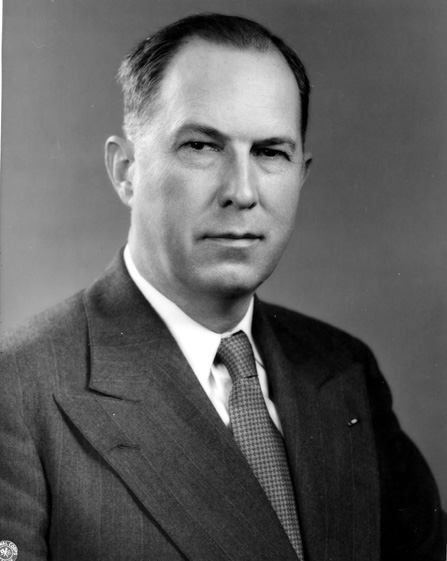
3 Images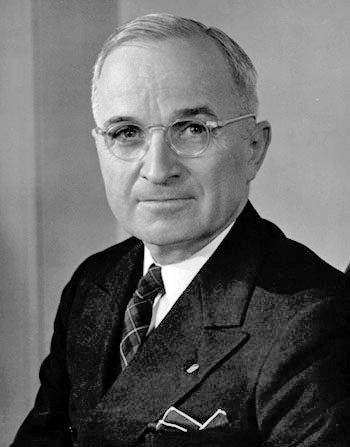

Career and responsibilities
Royall had a career that combined military service and civilian administration. As a senior United States Army officer he was called on to help manage the transition from a wartime footing to a peacetime force. That role involved overseeing personnel reductions, redeployments, and the redistribution of equipment and resources. The office he occupied carried responsibility for organizing, training, and equipping ground forces within the broader national defense framework.
Role in the 1947 reorganization
The National Security Act of 1947 fundamentally altered how the U.S. armed forces were administered by creating a unified Department of Defense and by replacing older offices. Royall became the last Secretary of War and, when the Department of the Army was established as a separate component within the new structure, its first Secretary. This placed him at the center of early implementation challenges as the services adapted to new chains of command, interservice coordination, and evolving strategic priorities.
Challenges and initiatives
During Royall's time in office the Army faced many pressures: rapid demobilization of wartime forces, the need to retain critical skills, budgetary constraints, and the onset of geopolitical rivalry that would become the Cold War. He worked with military and civilian leaders on organizational plans, readiness measures, and policies intended to prepare the service for future contingencies. His period in office also coincided with broader social and policy debates affecting the armed forces.
Later life and legacy
After leaving the post of Secretary of the Army in 1949, Royall returned to private life and continued to be remembered for his role during a pivotal administrative transition. Histories of the postwar U.S. military note him as a figure who symbolically closed one era of American military organization and opened another. For researchers and readers seeking primary documents or further biographies, consult archival materials and official histories that cover the 1946–1950 period of American defense reorganization (see birth and personnel records referenced at death entries).
Notable facts
- Royall's service marks the end of the long-standing office of Secretary of War and the beginning of a modern civilian-led Department of the Army.
- His tenure fell during implementation of the National Security Act reforms and the immediate postwar drawdown.
- Royall's career illustrates the blend of military experience and civilian administrative responsibility typical of mid‑20th century U.S. defense leadership.
For more contextual information on Royall and the reorganization of U.S. military departments after World War II, consult government histories and collections of administrative records related to the National Security Act period (biographical timelines, official reports, and contemporary analyses linked in specialist bibliographies).
Related articles
Author
AlegsaOnline.com Kenneth Claiborne Royall — last U.S. Secretary of War and first Secretary of the Army Leandro Alegsa
URL: https://en.alegsaonline.com/art/123559