
Kathryn Bigelow
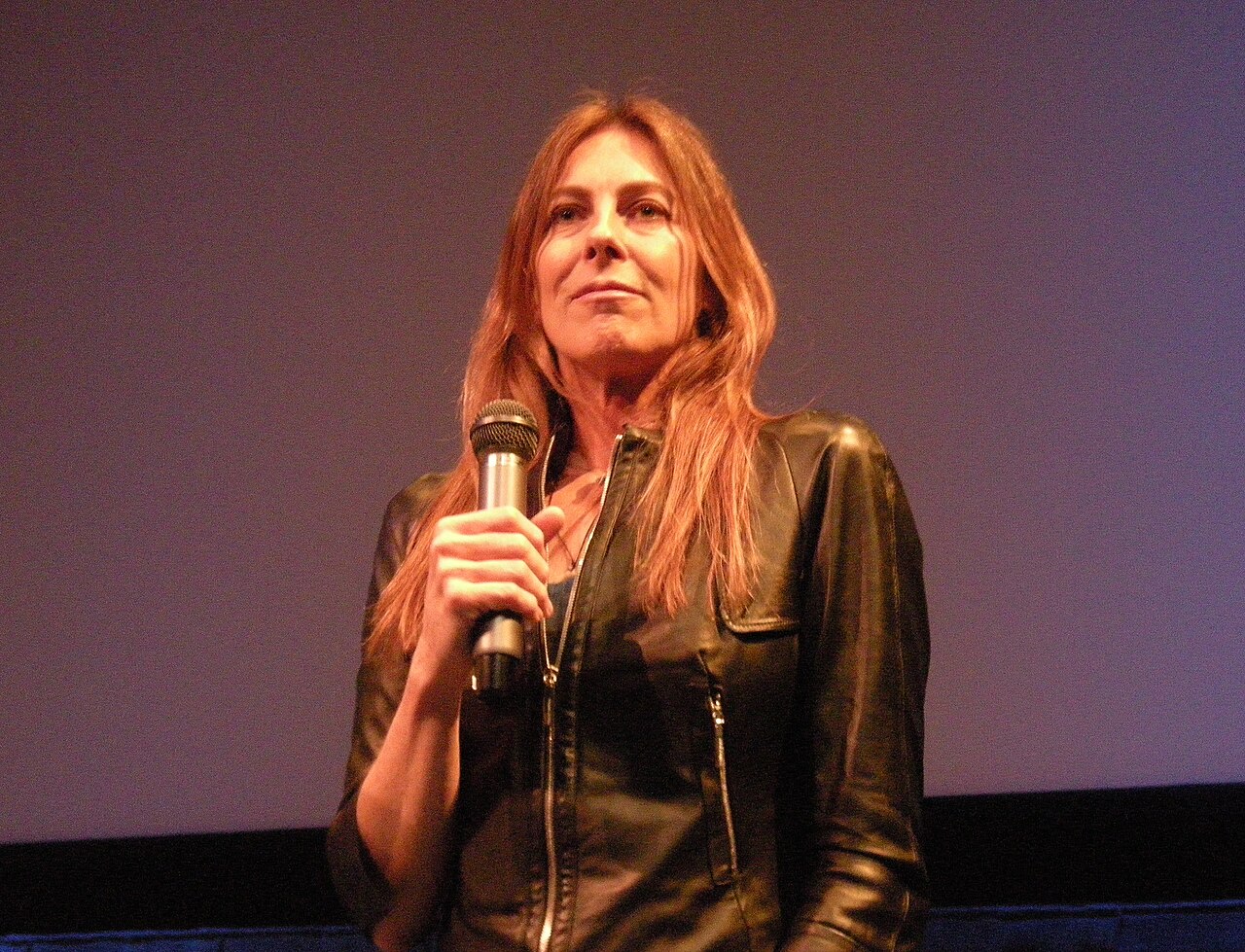
American filmmaker Kathryn Bigelow is known for genre-spanning, intense films such as The Hurt Locker and Zero Dark Thirty; she was the first woman to win the Academy Award for Best Director.
Overview
Kathryn Ann Bigelow (born November 27, 1951) is an American creative figure best known for her work in narrative film and television. She has built a reputation as a director who blends visceral action with psychological and political themes. In addition to directing, she has credits as a film director, producer, and screenwriter, and she has worked in television as a television director. Two of her most discussed films are The Hurt Locker and Zero Dark Thirty, each notable for their tension-driven storytelling and documentary-like immediacy.
Image gallery
6 Images



Career and style
Bigelow began making films that crossed genre boundaries, moving from supernatural-western and horror-adjacent pieces into high-energy action and political thrillers. Her style often emphasizes hand-held cinematography, tight editing, and close attention to the physicality of characters in crisis. Critics and scholars note recurring concerns in her work: the ethics of violence, the psychology of professionals in extreme conditions, and the impact of technology and institutions on individuals.
Major works
She has directed a number of feature films across several decades, working with mainstream and independent casts and crews. Early titles helped establish her as an innovative filmmaker; later projects drew broad public attention and sparked debate about representation and ethics in storytelling.
- Near Dark (1987)
- Point Break (1991)
- Strange Days (1995)
- The Hurt Locker (2008)
- Zero Dark Thirty (2012)
- Detroit (2017)
Awards and reception
Bigelow's films have attracted both critical acclaim and controversy. She won several major honors for directing The Hurt Locker, and in doing so she became the first woman to receive the Academy Award for Best Director (Academy Award) for that film. The picture also brought recognition from other industry bodies, including the Directors Guild and the BAFTA for Best Direction (BAFTA Award). Some of her later films, notably Zero Dark Thirty, prompted public discussion about cinematic depictions of interrogation and intelligence work.
Legacy and influence
Kathryn Bigelow's career is often cited in conversations about gender and authorship in mainstream cinema because of her breakthrough award recognition and her presence in genres long dominated by male directors. She has influenced a generation of filmmakers interested in merging genre energy with rigorous research and ethical inquiry. Her work remains a reference point for studies of contemporary action filmmaking and for debates about realism, spectacle, and moral responsibility on screen.
For further reading and filmographies, see resources linked to her major roles and films: director, producer, screenwriter, and key titles such as Point Break and Strange Days.
Related articles
Author
AlegsaOnline.com Kathryn Bigelow Leandro Alegsa
URL: https://en.alegsaonline.com/art/123415
Sources
- movies.yahoo.com : "Kathryn Bigelow Biography"