
Kalākaua — King of the Hawaiian Kingdom (1836–1891)
Kalākaua (1836–1891), nicknamed the 'Merrie Monarch', was the last reigning king of the Hawaiian Kingdom. He promoted cultural revival and modernization and lost much authority under the 1887 Bayonet Constitution.
David Kalākaua (born David Laʻamea Kamanakapuʻu Mahinulani Nalaiaehuokalani Lumialani Kalākaua; November 16, 1836 – January 20, 1891) was the last king of the Hawaiian Kingdom. Often called the "Merrie Monarch," he is remembered for promoting native Hawaiian culture, sponsoring public works and diplomacy, and presiding over a period of rapid economic change in the islands of Hawaiʻi.
Image gallery
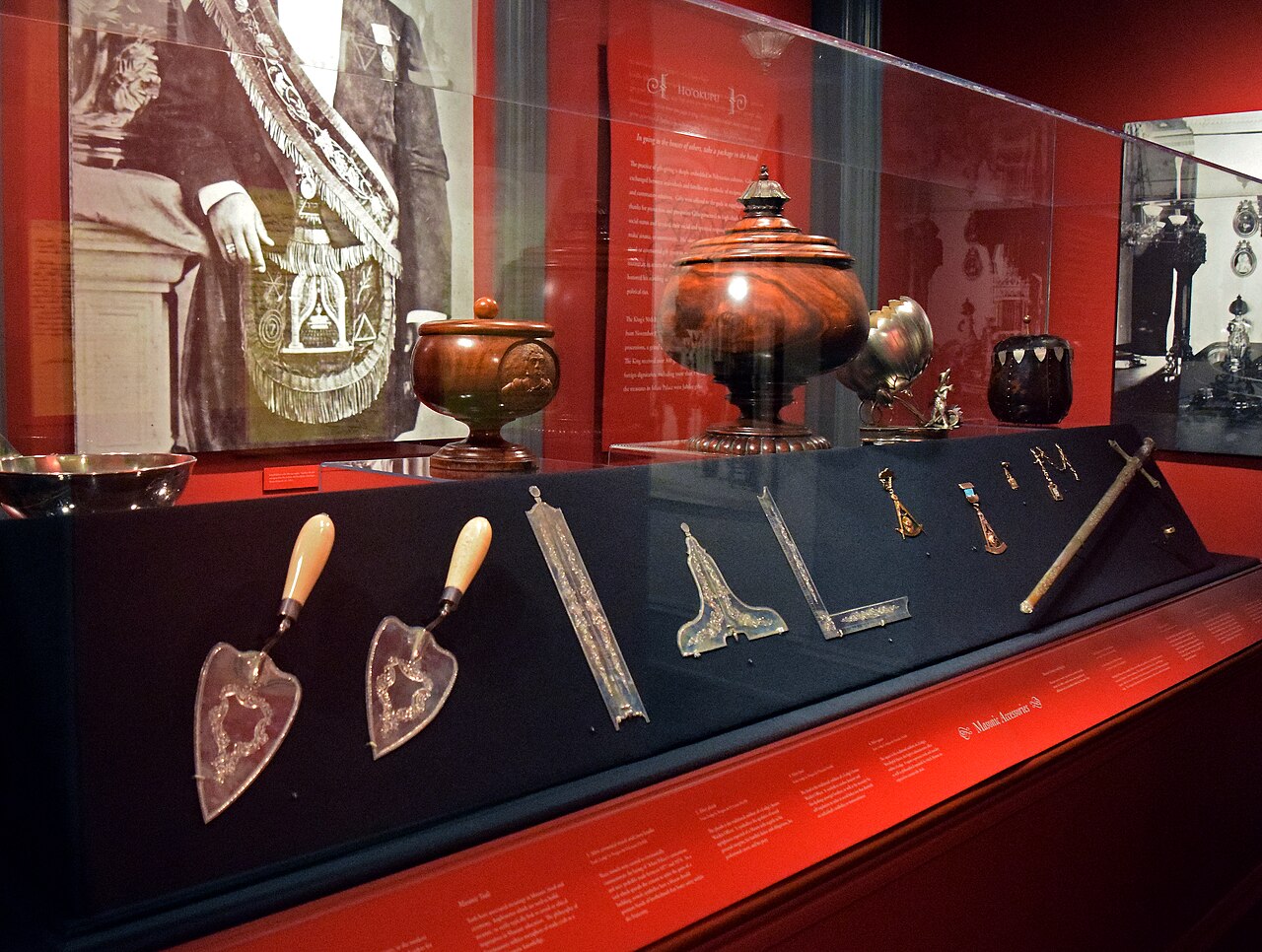
10 Images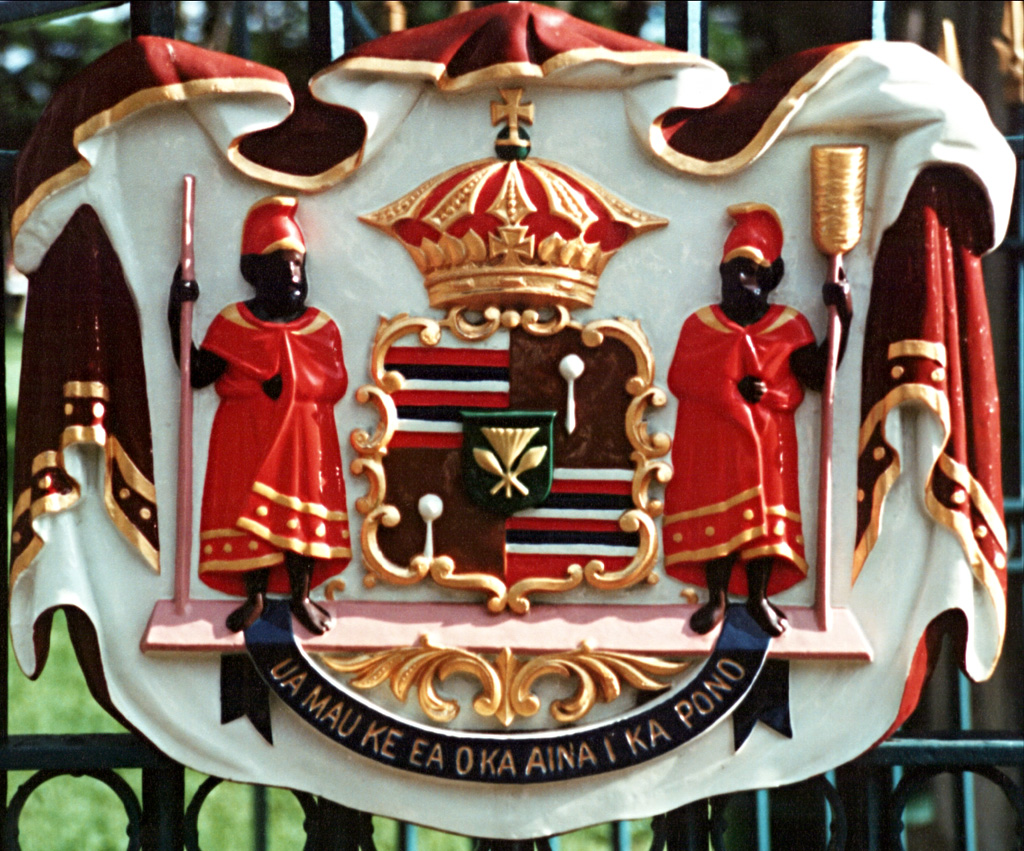


Early life and accession
Kalākaua was born into aliʻi (chiefly) lineage and became active in the kingdom's public life in the mid‑19th century. After the death of King Lunalilo, an 1874 legislative election produced a contested result: supporters of Queen Emma opposed Kalākaua's selection, and disturbances followed in Honolulu. Foreign military forces were involved in restoring order, and Kalākaua assumed the throne on February 12, 1874.
Modernization, trade and labor
During his reign Kalākaua encouraged modernization of infrastructure and the economy. The kingdom expanded its sugar trade through commercial agreements that increased access to foreign markets. The growth of sugar plantations led to large-scale immigration of contract laborers from Asia and Europe, changing the islands' demographics and economic structure. Kalākaua also invested in public buildings and the renovation of royal residences, including the modernization of the ʻIolani Palace.
Cultural revival and patronage
Kalākaua actively promoted Hawaiian arts and traditions at a time when Western influence was pervasive. He sponsored public ceremonies, encouraged hula and Hawaiian music, and supported the Hawaiian language and customary practices. He is credited with authoring the lyrics of the patriotic song "Hawaiʻi Ponoʻī," which became an emblem of national identity for many native Hawaiians.
Diplomacy and world tour
In 1881 Kalākaua conducted a prominent international tour to build diplomatic ties and seek labor and commercial partners. His travels attracted attention because it was unusual for a Pacific island monarch to undertake such an extensive global journey. The trip reflected his broader interest in positioning the kingdom within Pacific and global diplomacy.
Political crisis and the Bayonet Constitution
Rising political influence of foreign-born businessmen and plantation owners created tensions with the monarchy. In 1887 Kalākaua was forced to accept a new constitution—the so-called "Bayonet Constitution"—which sharply limited the powers of the crown and imposed voting requirements that favored property owners. The constitution marked a turning point in the kingdom's politics and set the stage for further constitutional and governmental changes in the years that followed.
Death, succession and legacy
Kalākaua died on January 20, 1891. He was succeeded by his sister, Liliʻuokalani. Historians view his reign as a complex period in Hawaiian history: he is praised for reviving cultural traditions and for efforts to strengthen the kingdom on the world stage, but his policies and expenditures, and the growing power of foreign economic interests, also contributed to political instability that ultimately diminished royal authority.
Notable facts
- Nickname: "The Merrie Monarch" for his patronage of music, dance and public festivities.
- Cultural contributions: patron of hula and Hawaiian arts; associated with the song "Hawaiʻi Ponoʻī."
- Modernization: promoted infrastructure, palace modernization and international trade agreements.
- Political turning point: reign concluded with the 1887 Bayonet Constitution, which curtailed royal power.
Kalākaua remains a central figure in the history of the Hawaiian Kingdom for his role in cultural revival, diplomacy and the contested modernization of the islands during the late 19th century.
Questions and answers
Q: Who was Kalākaua?
A: Kalākaua was the last king of Hawaii.
Q: When was Kalākaua born?
A: The exact date of Kalākaua birth is not mentioned in the text.
Q: What was Kalākaua's full name?
A: Kalākaua's full name was David La'amea Kamanakapu'u Mahinulani Nalaiaehuokalani Lumialani Kalākaua.
Q: What was Kalākaua's nickname?
A: Kalākaua's nickname was The Merrie Monarch.
Q: How long was Kalākaua king?
A: Kalākaua was king for 17 years, from February 12, 1874, until his death on January 20, 1891.
Q: What was Kalākaua's cause of death?
A: The text does not mention the cause of Kalākaua's death.
Q: What is Kalākaua known for?
A: Kalākaua is known for being the last king of Hawaii and for being called The Merrie Monarch.
Related articles
Author
AlegsaOnline.com Kalākaua — King of the Hawaiian Kingdom (1836–1891) Leandro Alegsa
URL: https://en.alegsaonline.com/art/123247