
Bloomsbury: central London district of gardens, learning and literature
Bloomsbury is a central London district in the London Borough of Camden known for its garden squares, universities, the British Museum and its literary and intellectual heritage.
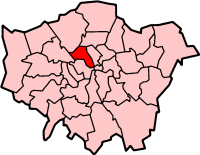
Bloomsbury is a neighbourhood in central London lying in the southern part of the London Borough of Camden. It is best known for a concentration of academic institutions, museums and planned garden squares that create a distinctive mix of residential streets, research facilities and cultural venues. The area attracts students, scholars, writers and visitors drawn to its museums, libraries and historic architecture.
Image gallery
10 Images


Characteristics and landmarks
Bloomsbury's streets are characterised by Georgian and Victorian terraces surrounding formal squares and small public gardens. Important landmarks include:
- The British Museum, a major national collection of art and antiquities.
- Russell Square, Bloomsbury Square, Bedford Square and Tavistock Square — examples of the area's garden-centred layout.
- Great Ormond Street Hospital, serving paediatric medicine and research.
- Numerous university buildings and student facilities associated with colleges of the University of London.
History and development
Originally part of a medieval manor, Bloomsbury was transformed during the 17th to 19th centuries by large estate owners into a planned residential quarter. The Dukes of Bedford and other landholders laid out squares, terraces and streets that established the neighbourhood's formal pattern. Over time private houses were supplemented by institutions, museums and educational buildings, reshaping Bloomsbury into an academic and cultural hub.
Culture, learning and publishing
Bloomsbury has long been associated with literature, scholarship and professional life. In the early 20th century the area gave its name to the Bloomsbury Group of writers and artists, a circle noted for its influence on modern literature and thought. Today the neighbourhood remains closely linked to higher education and research: several colleges and centres of the University of London, specialist schools, libraries and independent publishers maintain a high intellectual profile.
Urban character and practical notes
The district combines quiet residential enclaves with busy cultural corridors. Many parts are protected as conservation areas because of their architectural and historic interest. Bloomsbury is well connected to the rest of the city by public transport and is a convenient base for visitors exploring London’s central museums and universities.
Notable distinctions
Bloomsbury is often cited as a London neighbourhood where urban design, academic life and cultural institutions meet: garden squares and classical terraces frame museums and lecture halls, while the name has been adopted by businesses and publishers that echo the area's literary heritage. Its combination of history, learning and public collections gives Bloomsbury a distinctive place in London's civic geography.
Tags
Related articles
Author
AlegsaOnline.com Bloomsbury: central London district of gardens, learning and literature Leandro Alegsa
URL: https://en.alegsaonline.com/art/12299