
José María Aznar
Spanish conservative politician who led the People's Party and served as Prime Minister of Spain from 1996 to 2004, known for economic reform, support for EU integration and the 2003 Iraq War.
José María Alfredo Aznar López (born 25 February 1953) is a Spanish politician best known for serving as Prime Minister of Spain from 1996 to 2004. A long-time leader of the centre-right People's Party (Partido Popular), Aznar presided over a period of economic expansion and major policy shifts that reoriented Spain's public finances, markets and international alignments.

Image gallery
7 Images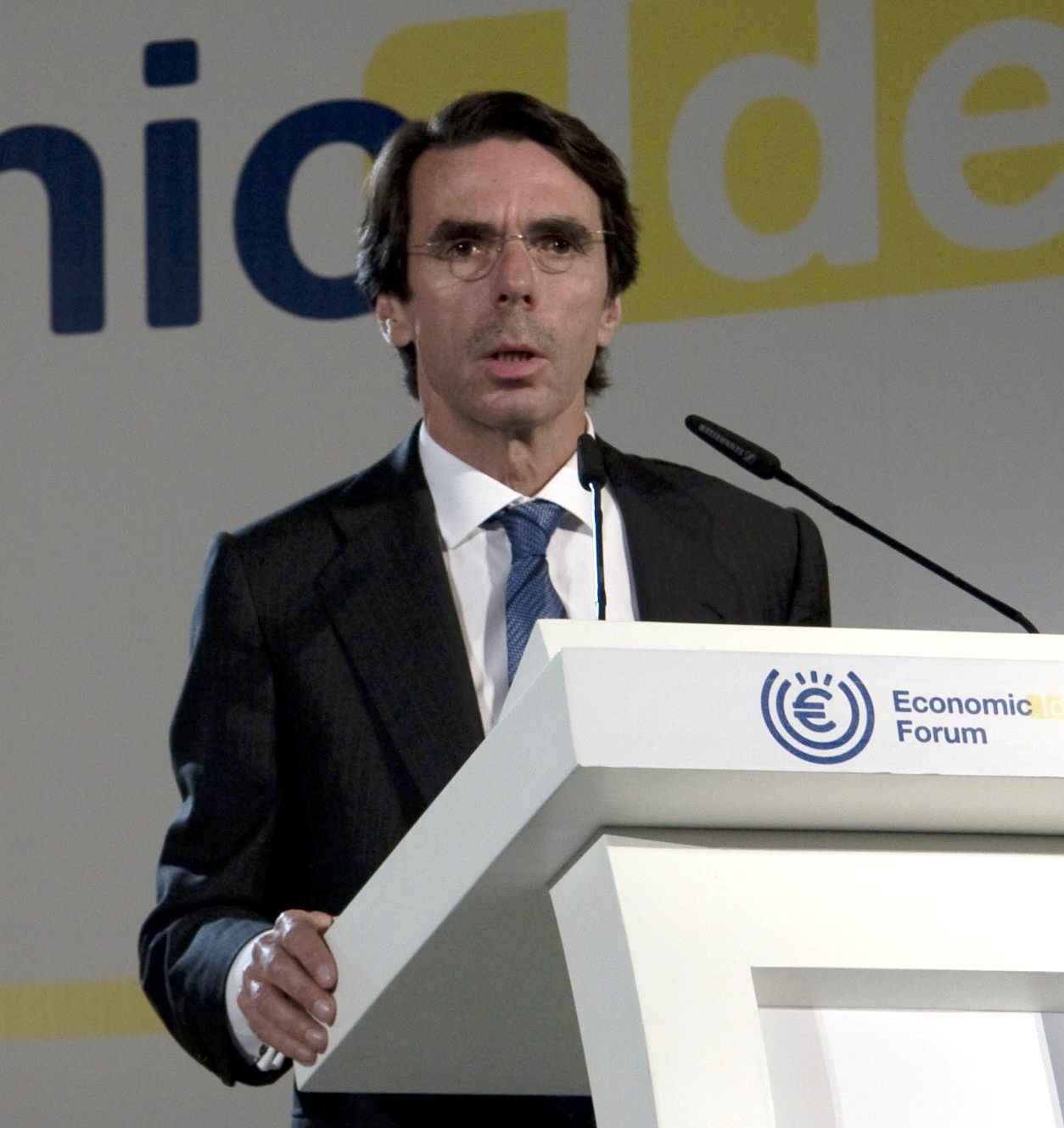


Early life and political rise
Aznar trained in law and began his political career in regional government. He rose through the ranks of conservative politics during the 1980s and became head of his party in the early 1990s, positioning it as an alternative to the Socialist government that had governed Spain for much of the previous decade. He also served as president of the regional government of Castile and León before leading his party to national victory.
Premiership (1996–2004)
When Aznar took office in 1996, his administration emphasised market-orientated reforms, fiscal consolidation and modernisation of public administration. His government pursued privatisation of state assets, labour-market adjustments and measures intended to reduce public deficits. Spain joined the single European currency system during his tenure and deepened its role within the European Union.
Policies and initiatives
- Economic liberalisation and privatization of some public services and companies.
- Public finance measures aimed at lowering deficits and meeting EU convergence criteria.
- Closer security and diplomatic ties with the United States, including support for the 2003 Iraq intervention.
These choices produced economic growth and falling unemployment for parts of his time in office, but also generated domestic debate about social impact and priorities.
Controversies and 2004 election
Aznar's support for the US-led invasion of Iraq was politically divisive in Spain and contributed to public demonstrations. The 11 March 2004 Madrid train bombings, occurring three days before a general election, created intense controversy over the government's initial handling and public communications about responsibility for the attacks. The events had a decisive effect on the campaign and the election outcome.
Later life and legacy
After leaving office, Aznar remained active in public life through a private foundation and advisory roles, contributing to debates on European policy and transatlantic relations. Assessments of his legacy vary: supporters credit economic modernisation and strengthened international ties, while critics highlight divisive foreign-policy choices and social consequences of reforms.
Related articles
Author
AlegsaOnline.com José María Aznar Leandro Alegsa
URL: https://en.alegsaonline.com/art/122863
Sources
- cidob.org : "Extended biography at Fundación CIDOB"