
José Luis Tamayo — President of Ecuador (1920–1924)
Short encyclopedic overview of José Luis Tamayo (1858–1947), Ecuadorian politician, Radical Liberal Party member, president from 1920 to 1924; background, presidency, context and legacy.
Overview
José Luis Tamayo Terán (29 July 1858 – 7 July 1947) was an Ecuadorian politician who served as President of Ecuador from 1 September 1920 to 31 August 1924. A member of the Radical Liberal Party, his term occurred during a period when liberal ideas dominated the country’s politics and public life. Tamayo is remembered as a figure who presided over a transitional administration in the years after World War I and amid continuing domestic political competition.
Image gallery
2 Images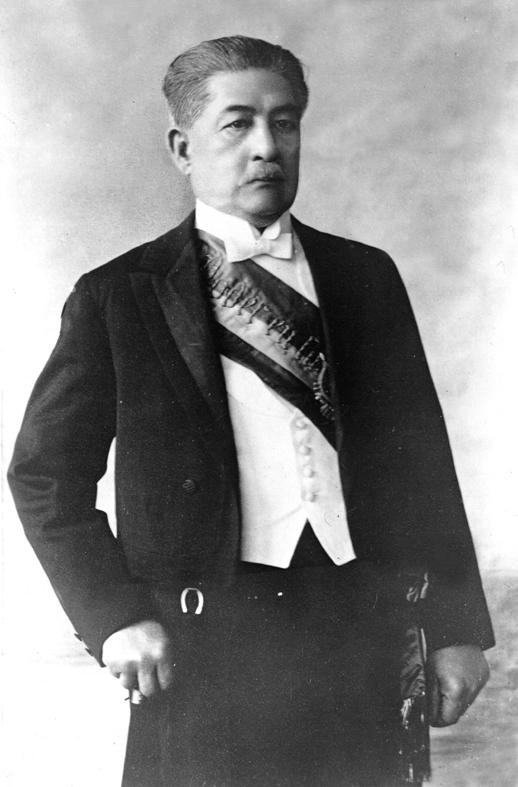

Early life and political rise
Born in 1858, Tamayo came of age during the long 19th-century conflict between liberal and conservative forces in Ecuador. Public records emphasize his alignment with the Radical Liberal Party, which traced its policies to broader liberal reforms of the late 19th and early 20th centuries. While detailed accounts of his early offices are less prominent in general reference works, his election to the presidency reflected party organization and the factional balance of the time.
Presidency: context and priorities
Tamayo’s administration sat within a familiar liberal framework that tended to favor secularization of public institutions, expansion of state roles in education and infrastructure, and an orientation toward commercial activity and foreign investment. His government operated under the constraints of regional political rivalries and economic pressures common to the period, and it sought to maintain institutional stability after years of turbulent politics.
Achievements, challenges and policies
- Maintained continuity of republican institutions during a politically sensitive era.
- Aligned broadly with Radical Liberal principles such as secular public policy and support for modernization, in line with earlier liberal administrations.
Later life and legacy
After leaving office in 1924 Tamayo lived into the mid-20th century, dying in 1947. Histories of Ecuador place his presidency within the sequence of liberal governments that shaped the country’s secular institutions and public policies. He is generally treated as a caretaker of liberal continuity rather than as the originator of a defining political transformation.
Notable facts
Key facts often cited in reference sources include his full name, party affiliation, birth and death years, and the dates of his presidential term. For readers seeking more detailed archival material or primary sources, specialized histories of Ecuadorian politics and contemporary newspapers of the 1920s provide fuller documentation.
Related articles
Author
AlegsaOnline.com José Luis Tamayo — President of Ecuador (1920–1924) Leandro Alegsa
URL: https://en.alegsaonline.com/art/122854