
John Kotelawala — Third Prime Minister of Ceylon (1953–1956)
Sir John Kotelawala (1897–1980) was a Sri Lankan soldier and statesman who served as Ceylon's third prime minister. He emphasized defence, strengthened ties with the West, and bequeathed his estate for military education.
Sir John Lionel Kotelawala (4 April 1897 – 2 October 1980) was a prominent Sri Lankan figure who combined military service with a career in national politics. He is best known for serving as the third Prime Minister of Ceylon from 1953 to 1956. A member of the leading conservative party of the era, his time in office fell during the early Cold War and a period of rapid social and political change at home.
Image gallery
10 Images

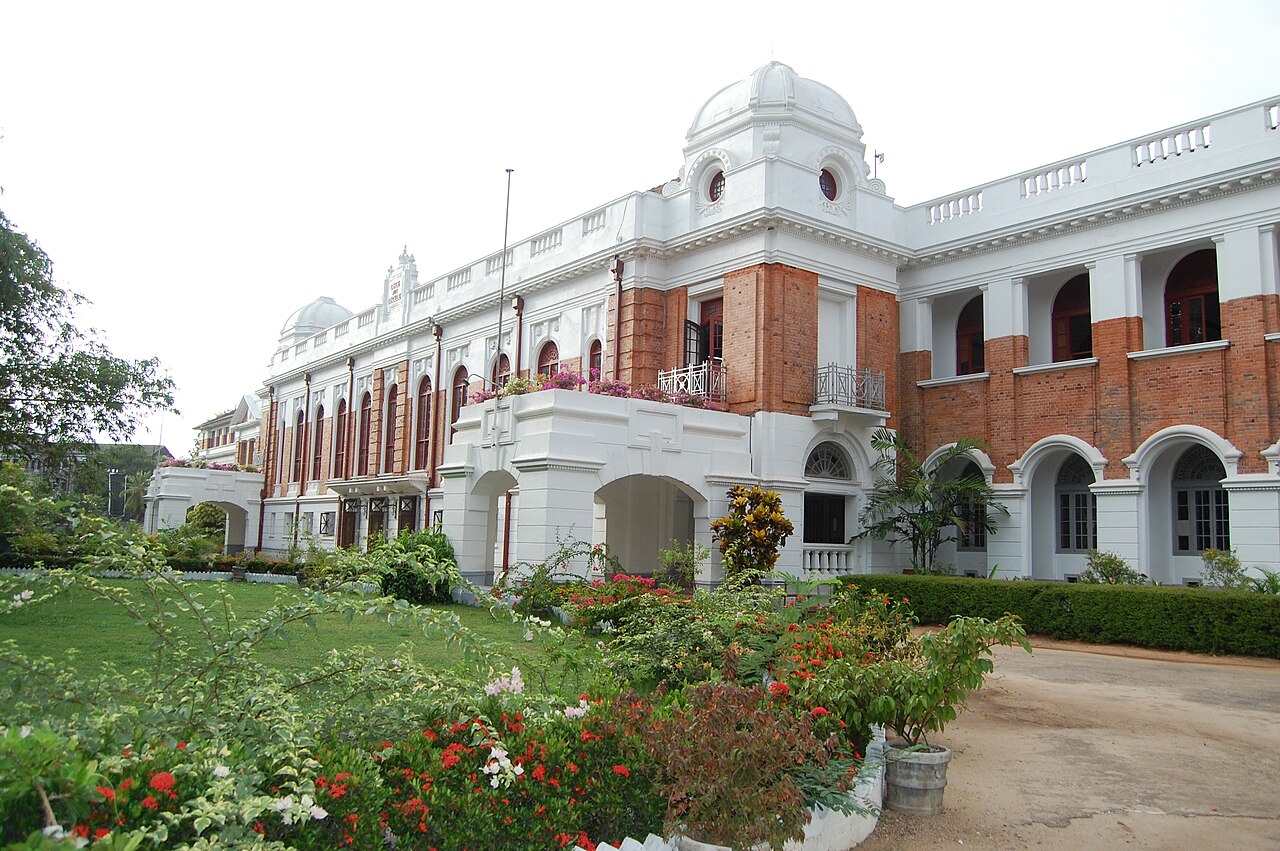
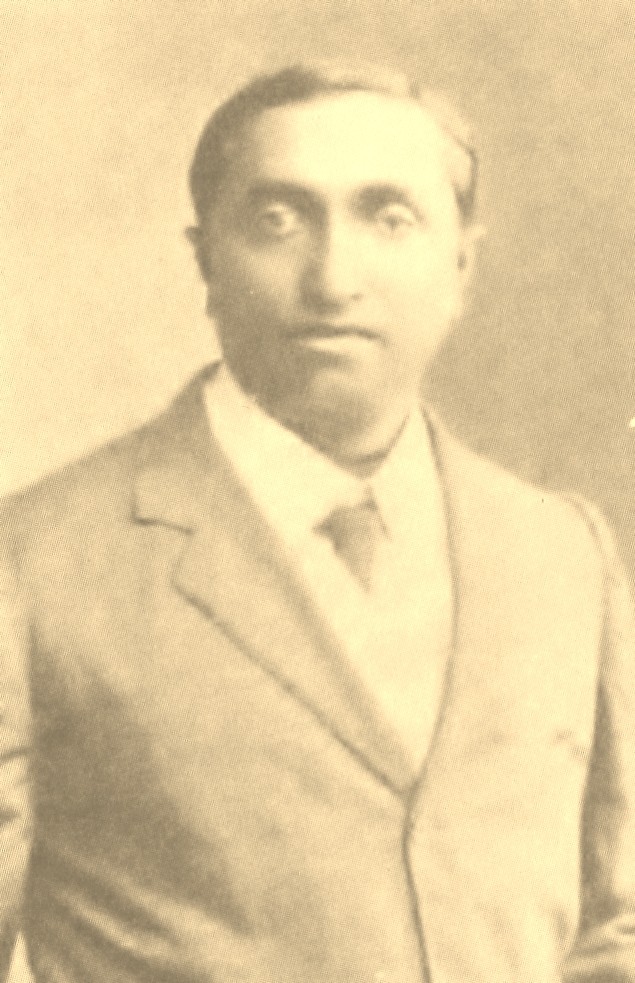


Early life and military service
Kotelawala came from a well-established family and received a formal education in Colombo. In his early years he joined the island's volunteer forces and rose through the ranks of the Ceylon Defence Force, developing an interest in military organization and national defence. Accounts of his life often note both his practical experience in uniform and his later role as a civilian advocate for stronger armed services; see the note on his military service.
Political rise and premiership
He entered politics in the period after Ceylon gained new legislative institutions and became a regular member of Parliament. As leader of his party he assumed the premiership in 1953. During his administration he promoted economic development through market-oriented policies and prioritized defence readiness and institutional modernization. His government was known for its pragmatic, pro-Western approach to international relations.
Policies, foreign relations and controversies
Kotelawala favored stronger ties with Britain and other Western countries in the context of Cold War alignments, while strengthening the island’s military capabilities. Domestically his government resisted rapidly expanding socialist programs, which earned him critics on the left and supporters among business and land-owning constituencies. His style and decisions provoked debate and ultimately contributed to the electoral shift the country experienced mid-decade.
Defeat, later life and legacy
In the nationwide realignment of 1956 he and his party were voted out of office by a broad coalition that supported populist and nationalist reforms. After leaving the premiership he remained an active public figure and continued to influence defence and public life. Kotelawala donated his estate to the state, which later formed the basis for a national institution for military education; his connection to that project is commemorated in the name and mission of the defence academy.
Notable facts and recognition
- Often described as both a soldier and statesman, his biography is referenced with the Sinhala rendering of his name: Sinhala spelling.
- He received British honours during his life and is widely remembered for modernizing the island’s defence posture.
- For an overview of his public career and political activities, consult resources on his political career.
Today Kotelawala remains a contested but significant figure in Sri Lankan history: praised for his contributions to defence and criticized by opponents for his conservative policies. His life illustrates the tensions of a newly independent state balancing internal reform, international alignments, and the legacy of colonial-era institutions.
Questions and answers
Q: Who is John Kotelawala?
A: John Kotelawala was a Sri Lankan soldier and politician who served as the third Prime Minister of Ceylon from 1953 to 1956.
Q: What are the titles John Kotelawala held?
A: John Kotelawala held the titles of KBE, CH, KStJ, and CLI.
Q: When was John Kotelawala born?
A: John Kotelawala was born on April 4, 1897.
Q: When did John Kotelawala serve as the Prime Minister of Ceylon?
A: John Kotelawala served as the Prime Minister of Ceylon from 1953 to 1956.
Q: What is the full name of John Kotelawala?
A: John Kotelawala's full name was Sir John Lionel Kotelawala.
Q: What was the nationality of John Kotelawala?
A: John Kotelawala was a Sri Lankan.
Q: When did John Kotelawala die?
A: John Kotelawala died on October 2, 1980.
Related articles
Author
AlegsaOnline.com John Kotelawala — Third Prime Minister of Ceylon (1953–1956) Leandro Alegsa
URL: https://en.alegsaonline.com/art/122530