
Jeffrey Sachs: economist, policy advisor, and development practitioner
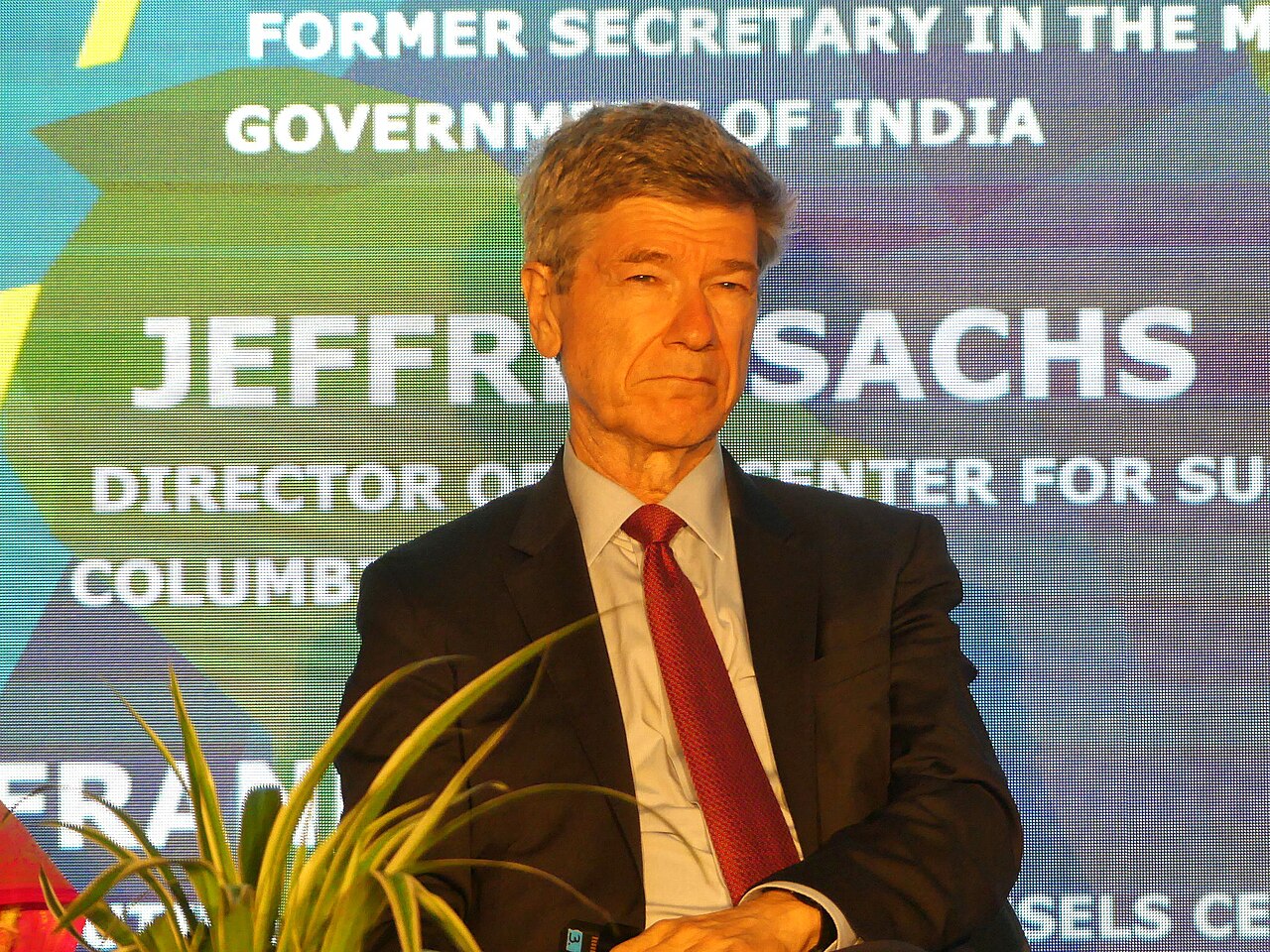
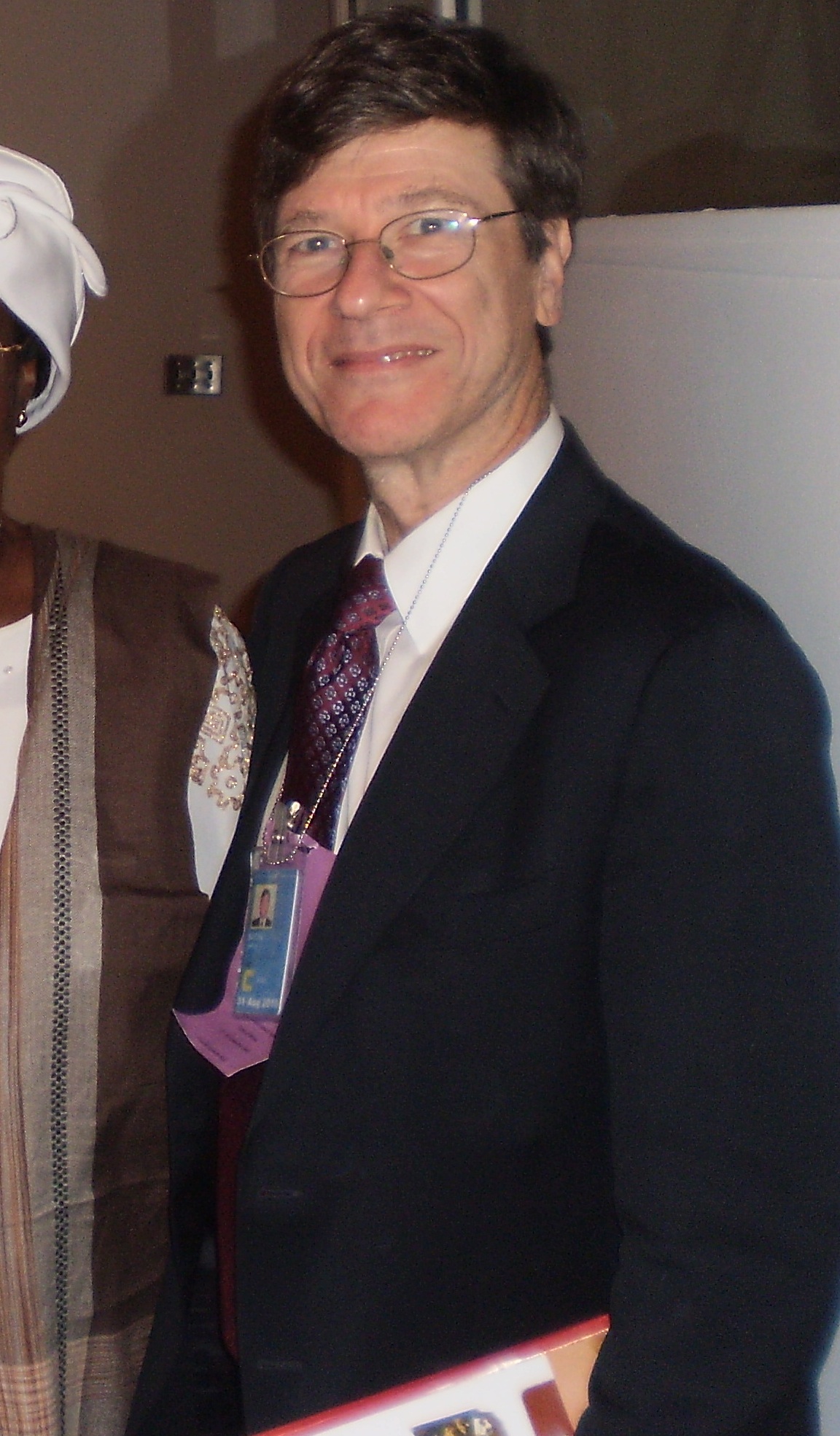
Jeffrey Sachs is an American economist and public policy adviser known for work on economic development, poverty reduction, sustainable development, and high‑profile international projects and writings.
Overview
Jeffrey D. Sachs (born November 5, 1954) is an American economist, academic, and public policy analyst who has shaped global debates about development, poverty alleviation, and sustainability. He served as director of The Earth Institute at Columbia University and is widely regarded as an influential voice on economic development and the global fight against poverty.
Image gallery
5 Images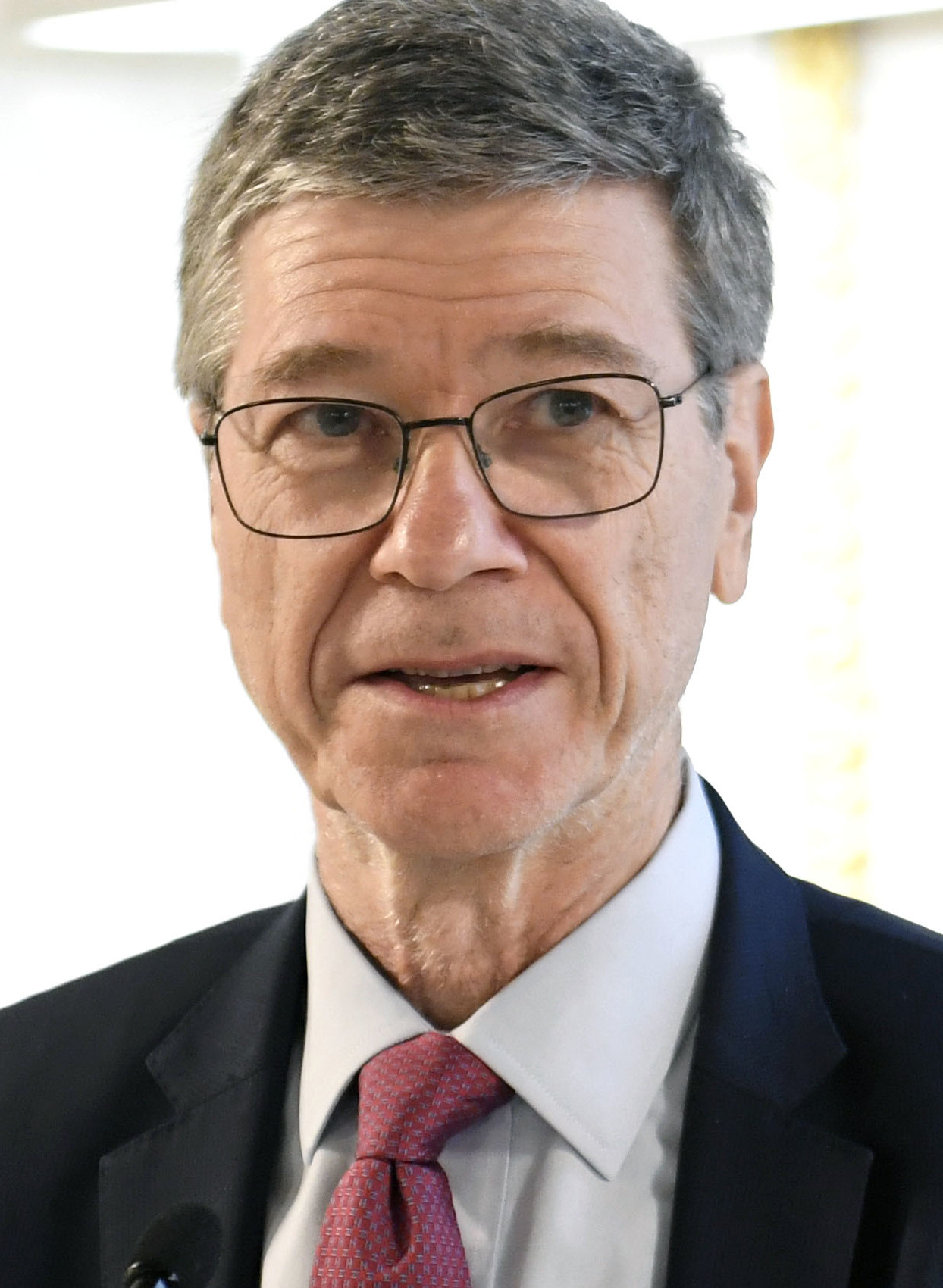


Education and academic career
Sachs trained as an economist and built a career in university teaching and research. He taught at Harvard University earlier in his career and later joined Columbia University, where he combined scholarly work with applied policy projects. His academic interests span macroeconomics, development economics, public health, and environmental sustainability.
Major roles and projects
Beyond university posts, Sachs has advised national governments and international organizations on economic strategy and development policy. He has led or helped design large-scale initiatives aimed at reducing extreme poverty and improving health, education, and infrastructure in low‑income regions. His approach emphasizes integrated planning that links economic policy, public health, and environmental management.
Writings and ideas
Sachs is the author of several widely read books and articles that bring economic ideas to a general audience and policymakers. His work argues for coordinated international action, adequate financing for development goals, and a focus on practical interventions that can lift communities out of extreme poverty.
- Books aimed at the public and policymakers discussing poverty, sustainability, and global economic policy.
- Scholarly articles on macroeconomic stabilization, structural change, and development strategy.
Influence and controversies
Sachs has been influential in shaping policy debates and mobilizing funding for development programs, but some of his initiatives and prescriptions have attracted criticism. Debates have focused on the design and measurement of large projects, the role of external experts in local development, and trade‑offs between rapid reform and social impacts. Supporters praise his ambition and interdisciplinary approach; critics raise methodological and implementation concerns.
Legacy and significance
Jeffrey Sachs remains a prominent and polarizing figure whose career bridges academia, international institutions, and advocacy. His efforts helped popularize integrated approaches to economic development that combine health, education, infrastructure, and environmental goals, influencing how governments and donors think about ending extreme poverty and promoting sustainable development.
Related articles
Author
AlegsaOnline.com Jeffrey Sachs: economist, policy advisor, and development practitioner Leandro Alegsa
URL: https://en.alegsaonline.com/art/121736
Sources
- hinterlandgazette.com : "Janet Shan, "Keynesian Economist, Jeffrey Sachs Says President Obama's Stimulus has Failed", June 7, 2010"
- econ.columbia.edu : Sachs's CV
- wiwi.hu-berlin.de : "CV"