
Jean-Paul Belmondo: French Actor and Icon of the New Wave
Jean-Paul Belmondo (1933–2021) was a leading French actor whose charismatic, athletic screen presence helped define the 1960s New Wave and later mainstream French cinema; famed for Breathless and many popular films.
Overview
Jean-Paul Belmondo (9 April 1933 – 6 September 2021) was a French actor widely regarded as one of the most popular and influential screen stars of postwar France. Rising to international attention in the early 1960s, he became synonymous with the spirit of the Nouvelle Vague (French New Wave) and later built a long career that balanced art-house experimentation with mass-appeal entertainment. His nickname in France, "Bebel," reflected his status as a cultural figure who combined charm, toughness and a distinctive physicality.
Image gallery
9 Images


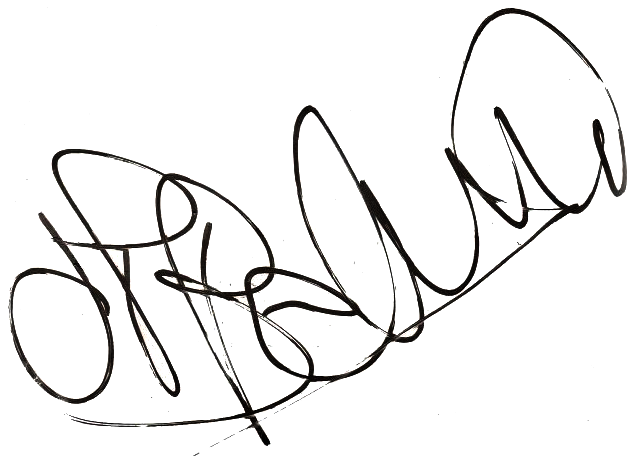
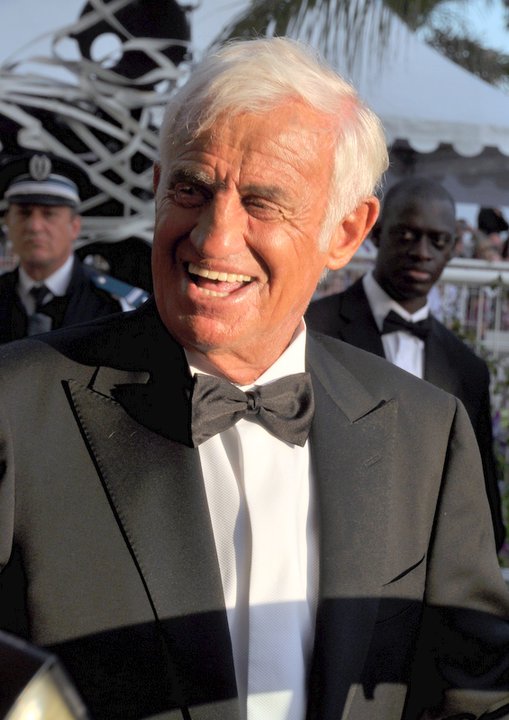

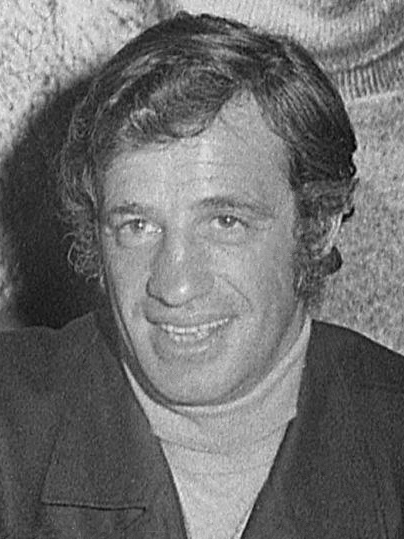

Career and Breakthrough
Belmondo began as a theatre-trained actor and made his way into film in the 1950s. His breakthrough came with Jean-Luc Godard's À bout de souffle (Breathless, 1960), a landmark New Wave picture that showcased his laconic, offhand charisma and helped redefine modern screen acting. After that debut, he worked with a variety of directors and moved fluidly between experimental projects and crowd-pleasing features, becoming one of France's top box-office attractions.
Screen Persona and Style
He was noted for an unconventional leading-man image: less classically polished than earlier stars, more rugged and improvisational. Belmondo brought athleticism and a love of stunt work to many roles, often performing physical feats himself. This blend of naturalism, comic timing and action-oriented energy allowed him to play anti-heroes, romantic leads and tough-guy types with equal conviction, helping to broaden the range of male star personas in French cinema.
Notable Films
- À bout de souffle (Breathless, 1960) — Jean-Luc Godard; the film that made him a figure of the New Wave.
- L'Homme de Rio (That Man from Rio, 1964) — a popular adventure-comedy that showcased his stunt work and comic gifts.
- Pierrot le Fou (1965) — another collaboration with Godard that mixed crime, romance and modernist form.
- Le Professionnel (1981) — a commercially successful action-thriller that reaffirmed his star status.
- Itinéraire d'un enfant gâté (1988) — a later dramatic role for which he received major recognition.
Awards, Later Life and Legacy
Throughout his career Belmondo earned critical praise and popular adoration. He won significant honors, including a César Award for Best Actor for his work in the late 1980s, and he remained a revered figure in French cultural life. In later years he stepped back from frequent public appearances after health problems limited his activity, but his films continued to be shown and celebrated. Belmondo's combination of cinematic daring, populist appeal and a defiantly personal screen manner left a durable imprint on French and international cinema.
Related articles
Author
AlegsaOnline.com Jean-Paul Belmondo: French Actor and Icon of the New Wave Leandro Alegsa
URL: https://en.alegsaonline.com/art/121654
Sources
- legifrance.gouv.fr : "Décret du 14 mai 1994 portant promotion et nomination"
- legifrance.gouv.fr : "Décret du 6 avril 2007 portant promotion"
- lafca.net : "35TH Annual Los Angeles Film Critics Association Awards"