
Jack Palance
Jack Palance (1919–2006) was an American film and television actor known for rugged features, a gravelly voice and memorable villainous and character roles; he won an Academy Award for City Slickers.
Jack Palance (born Volodymyr Palahniuk; February 18, 1919 – November 10, 2006) was an American actor celebrated for a long and varied career in film, television and on stage. Born to immigrant parents in Pennsylvania, Palance became known for his weathered features, intense stare and a gravelly voice that made him a distinctive presence in westerns, noirs, crime dramas and occasional comedies.
Image gallery
5 Images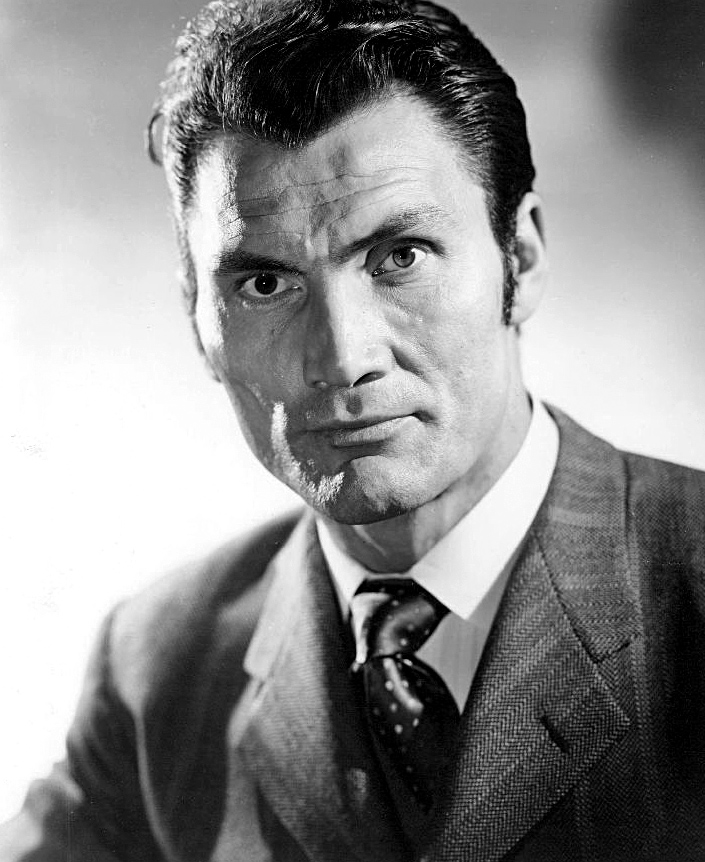
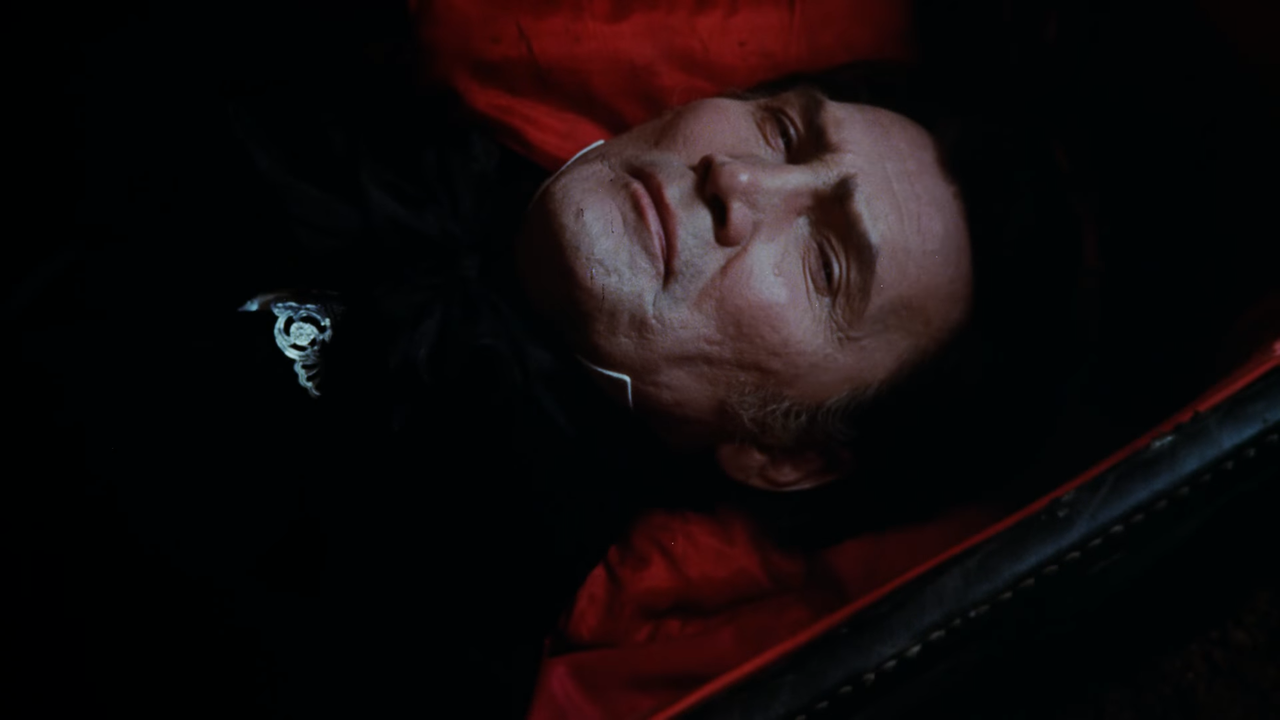
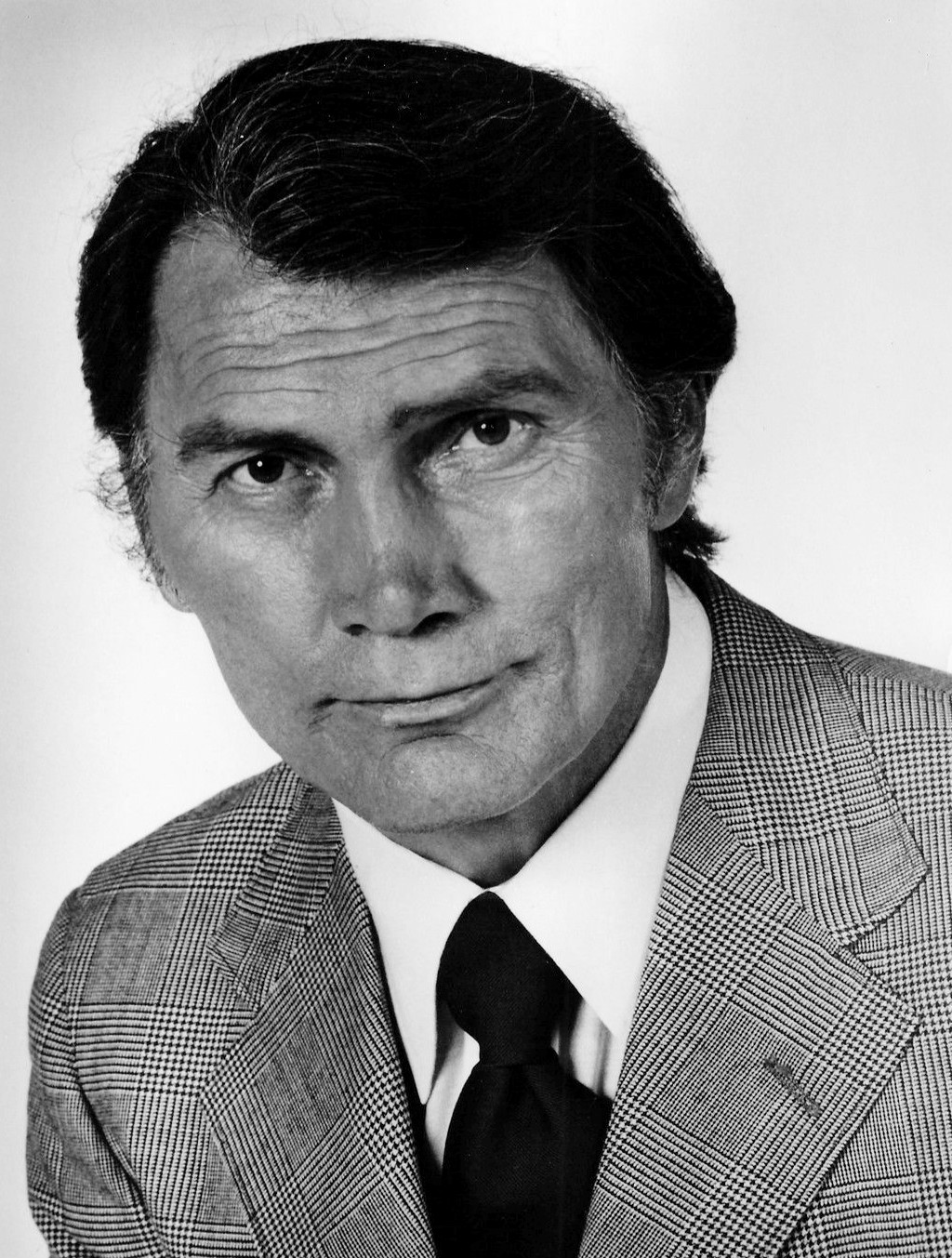

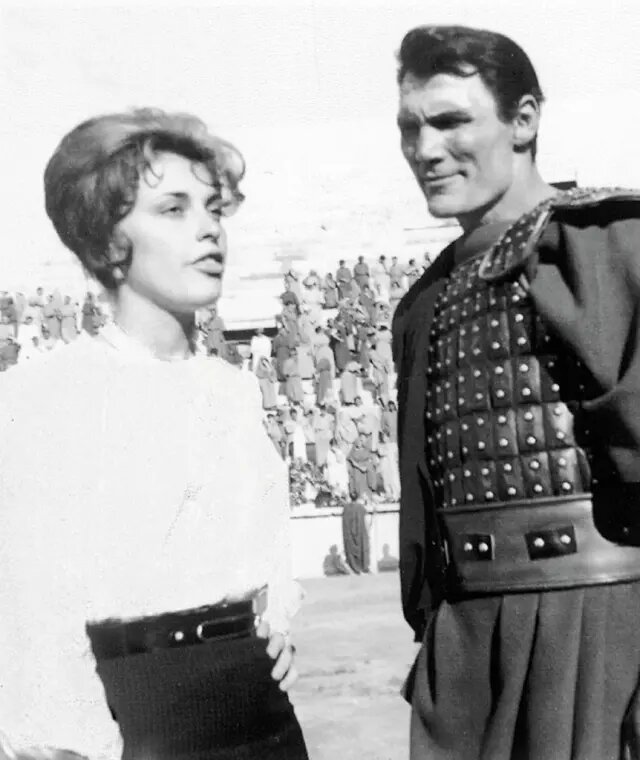
Early life and background
Palance grew up in a working-class family and came to performing after several early jobs and military service during World War II. His Eastern European birth name reflected his family origins, and he adapted to American show business during the studio era, moving between supporting and leading parts as his screen persona developed.
Career and screen persona
Over decades Palance specialized in roles that exploited his tough-guy image: gunmen, henchmen and enigmatic loners, but he also demonstrated range in more sympathetic or comic parts. He appeared in notable westerns and mainstream dramas, and his presence often strengthened ensemble casts. Film listings and a full filmography show a steady output across multiple genres and media.
Notable roles and recognition
Late in his career Palance won renewed public attention when he received an Academy Award for best supporting actor for his role in the 1991 comedy western City Slickers. His acceptance moment, a spontaneous physical display onstage, became a widely remembered image from that awards ceremony. He also worked steadily in television, including hosting and guest appearances that introduced his work to new audiences.
Legacy
Palance is often cited as a model of the durable character actor whose distinctive looks and voice shaped casting ideas about screen villains and tough protagonists. Film historians point to his adaptability across studio-era films, independent pictures and television, and his career remains the subject of biographical sketches and retrospectives. He died in 2006, leaving a legacy of memorable supporting and lead performances that continue to be discussed by scholars and fans.
Related articles
Author
AlegsaOnline.com Jack Palance Leandro Alegsa
URL: https://en.alegsaonline.com/art/121139