
Horst Köhler
German economist and politician; IMF managing director and President of Germany (2004–2010), who resigned after controversy over remarks on military deployments.
Overview
Horst Köhler (often written Horst Koehler when the umlaut ö is unavailable) is a German economist and public official born on 22 February 1943. He is known for combining a career in international finance and public administration with a period as Federal President of Germany. Köhler's nationality and public role are often described in German sources as German and as a politician aligned with the center-right.
Image gallery
5 Images

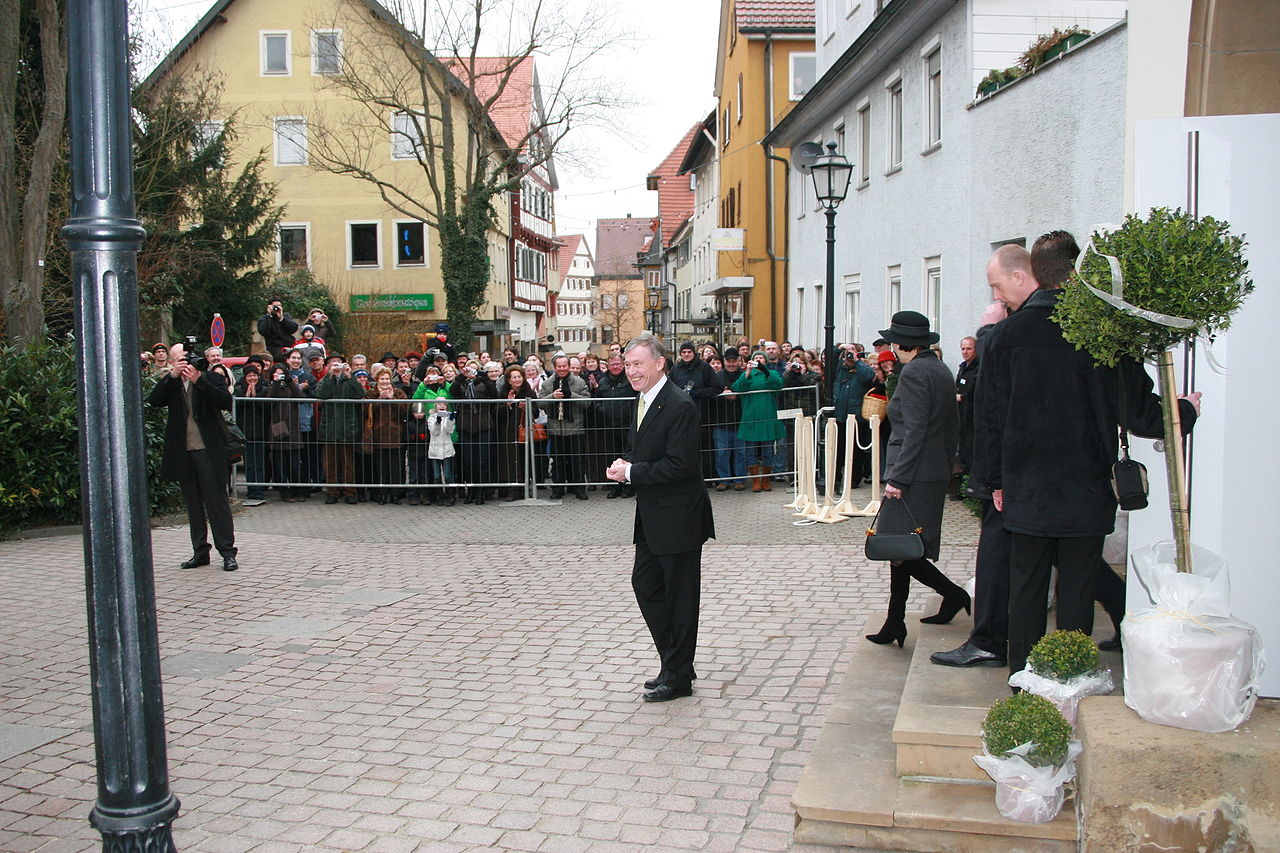


Education and professional background
Köhler trained as an economist and built a reputation in both the civil service and the private sector. By profession he is an economist, and during his career he moved between government ministries and senior positions in banking. He acquired experience that bridged policy-making and financial management, a profile that later shaped his approach to international institutions and the ceremonial presidency.
Career before the presidency
Before entering the German presidency, Köhler held leadership roles in banking and global financial organisations. Key positions included senior posts in commercial banking and two international posts that increased his profile:
- Senior roles in the banking sector, where he served as a banking executive and managed organizational and financial operations.
- President of the European Bank for Reconstruction and Development (EBRD), which manages investment and reform efforts in emerging economies.
- Managing Director of the International Monetary Fund, where he served as head of the organisation commonly referenced by the abbreviation IMF.
Election to the German presidency
Köhler was proposed as a consensus candidate by Germany's conservative and liberal parties. He stood as the nominee of the Christian Democratic sister parties and their allies, including the CDU/CSU and the FDP: CDU/CSU and FDP. The Federal Assembly elected him to a five-year term, and he was confirmed for a second term. The office itself is constitutionally distinct from the head of government; the Chancellor holds executive power and is usually the more politically powerful figure in day-to-day governance (Chancellor).
Presidential style, priorities and institutional views
Although the German presidency is largely ceremonial, Köhler sought to use the office to shape public debate on economics, responsibility and international engagement. He was broadly popular and occasionally advocated that the presidency should have a stronger democratic mandate; he argued at times in favour of direct election, a model that recalls the stronger presidential role under Germany's earlier Weimar constitution. His speeches combined economic themes with appeals to civic responsibility and Germany's international obligations.
Resignation and later assessment
Köhler's second term ended abruptly when he resigned on 31 May 2010 after a public dispute about comments he made regarding the role of the German armed forces abroad. The episode involved his remarks about the Bundeswehr and deployments such as the mission in Afghanistan: the controversy is often summarized in reports as the resignation controversy, with direct references to the Bundeswehr and the deployment in Afghanistan. He stated that his comments had been misunderstood and chose to step down to preserve the office's dignity.
Legacy and notable facts
Köhler is remembered for bridging high-level international finance and a largely ceremonial national office. His public profile combined technical economic expertise with an effort to broaden the president's public role. After leaving the presidency he returned to quieter involvement in policy circles and advisory roles; assessments of his tenure note both his international stature and the exceptional nature of his early resignation. For readers seeking more detailed primary sources or contemporary reporting, consult official biographies and archives available through institutional pages and media outlets: Presidential records, name usage, and other references provide paths to documentary material.
- See also: institutional role of the President versus the Chancellor.
- Biographical entries and interviews often discuss his time at the IMF and his work with the EBRD and private banking sector.
- Contemporary coverage of his resignation and its political fallout is archived under discussions labeled by the controversy and analyses of military policy such as those referencing the Bundeswehr and missions to Afghanistan.
Questions and answers
Q: What is the name of the German politician mentioned in this article?
A: The German politician mentioned in this article is Horst Köhler.
Q: What political party did Horst Köhler belong to?
A: Horst Köhler belonged to the Christian Democratic Union (CDU).
Q: When was Horst Köhler elected President of Germany?
A: Horst Köhler was elected President of Germany on 23 May 2004.
Q: How many terms did he serve as President of Germany?
A: He served two terms as President of Germany, from 2004 to 2010.
Q: What profession did Horst Köhler have prior to his election as president?
A: Prior to his election as president, Horst Köhler had a career in politics, civil service and banking executive. He was also the head of the International Monetary Fund (IMF) from 2000 to 2004 and President of the European Bank for Reconstruction and Development from 1998 to 2000.
Q: Did he remain popular during his term as president?
A: Yes, although the office of President is less influential than that of Chancellor and mostly concerned with ceremonial matters, Köhler was a highly popular politician during his term.
Q: Did he suggest any changes regarding how presidents are elected in Germany?
A: Yes, he suggested that presidents should be directly elected which was previously done under Germany's Weimar Constitution.
Related articles
Author
AlegsaOnline.com Horst Köhler Leandro Alegsa
URL: https://en.alegsaonline.com/art/120704
Sources
- news.bbc.co.uk : "German president wins re-election"
- spiegel.de : "Internetsperren"
- google.com : "Bundespräsident Köhler zurückgetreten"
- news.bbc.co.uk : "German President Koehler quits amid row over military"
- ft.com : "Subscribe to read"
- spiegel.de : "Controversy Over Afghanistan Remarks: German President Horst Köhler Resigns"
- online.wsj.com : "German President Horst Köhler Steps Down"
- spiegel.de : "Pressestimmen zum Köhler-Rücktritt: Der 'Absteiger des Jahres' stürzt sich selbst"
- nndb.com : "Horst Köhler"