
Blaenavon Industrial Landscape
A preserved industrial region in Blaenavon, Wales, illustrating coal and iron production, transport networks and workers' communities central to the Industrial Revolution and now conserved as a World Heritage site.
The Blaenavon Industrial Landscape is a well-preserved complex of industrial sites and settlements in Blaenavon, South Wales, designated as a UNESCO World Heritage Site. It presents a rare, largely intact example of the landscape created by coal and iron production, with both the physical remains of industry and the associated communities that developed around it. The site is interpreted for visitors through museums, reconstructed buildings and guided tours.
Image gallery
10 Images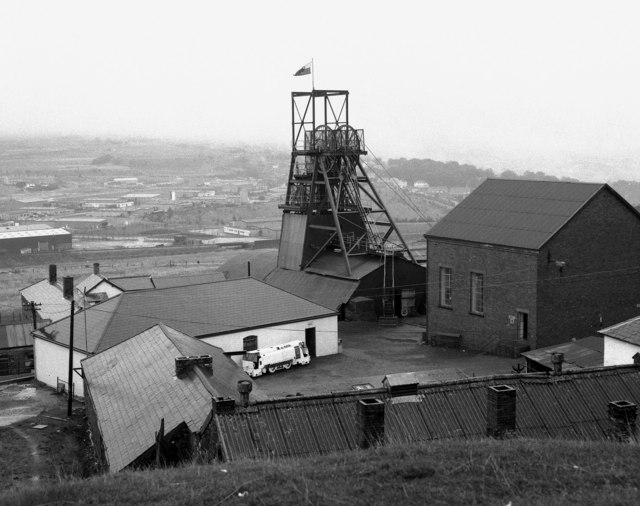






Principal components
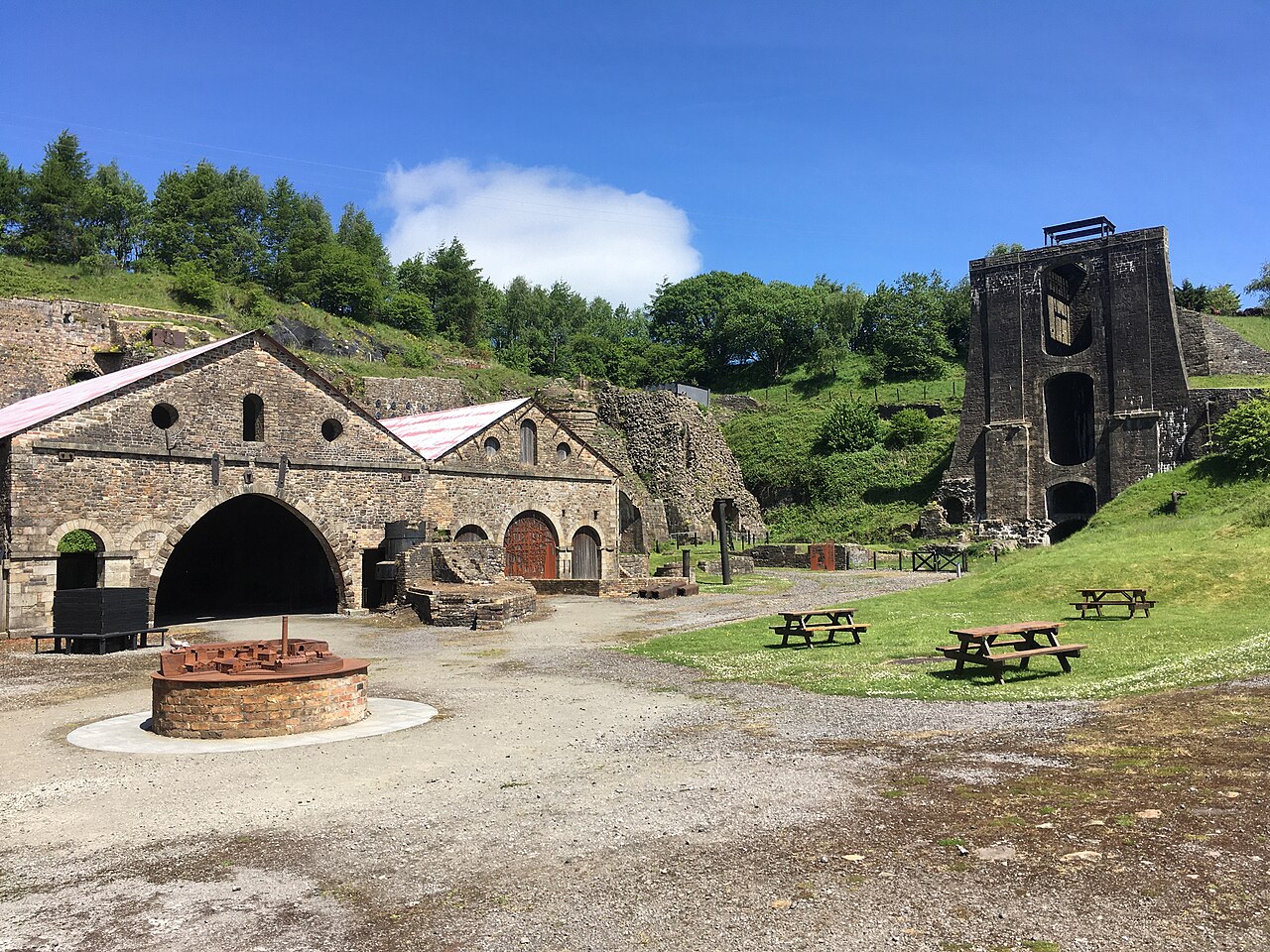
- Ironworks and blast furnaces, where local ironstone was smelted into pig iron.
- Coal pits and winding houses that supplied fuel for smelting and steam engines.
- Quarries providing limestone and other raw materials required by the iron industry.
- Early transport systems, including tramroads and inclines that connected sites and carried goods to markets.
- Workers' housing, chapels, schools and other social infrastructure that formed the industrial community.
The area illustrates how extraction, processing and transport were integrated in a regional system rather than isolated factories. Evidence survives in structural remains such as furnace bases, coke ovens, engine houses and the layout of terraces and industrial tracks. Interpretation combines on-site displays with museums, including the historic Blaenavon Ironworks and the Big Pit mining museum.
History and development
The landscape developed mainly during the late 18th and 19th centuries as demand for iron and coal rose across Britain and beyond. Advances in smelting, the wider use of coke, steam-driven machinery and improved transport connections allowed rapid expansion. The pattern of pits, quarries, processing sites and workers' settlements grew together, leaving a layered archaeological record of technology, labour and everyday life.
Today the site is cared for as living heritage: conservation schemes protect industrial archaeology while museums and community projects explain the social and technological history. Visitors can explore surface remains and, in some places, descend into preserved mine workings to experience underground conditions firsthand.
Significance and legacy
Blaenavon is valued as an outstanding example of an industrial landscape that shaped modern economies and societies. Its combination of production sites, transport infrastructure and dwellings offers insight into the Industrial Revolution’s environmental and social impacts. The UNESCO listing supports conservation, research and local tourism, helping to keep the story of industrial Wales accessible.
For official information and the World Heritage listing details see the UNESCO entry: UNESCO page, and for visitor information consult the site guidance and local interpretation resources: World Heritage entry.
Related articles
Author
AlegsaOnline.com Blaenavon Industrial Landscape Leandro Alegsa
URL: https://en.alegsaonline.com/art/12049
Sources
- whc.unesco.org : "Blaenavon Industrial Landscape" · webcitation.org
- visitblaenavon.co.uk : "World Heritage Status"