
Guglielmo Marconi: Pioneer of Wireless Telegraphy and Radio Communication
Italian inventor and electrical engineer who developed practical long-distance wireless telegraphy, founded the Marconi company, won the 1909 Nobel Prize in Physics, and shaped early radio communications.
Overview
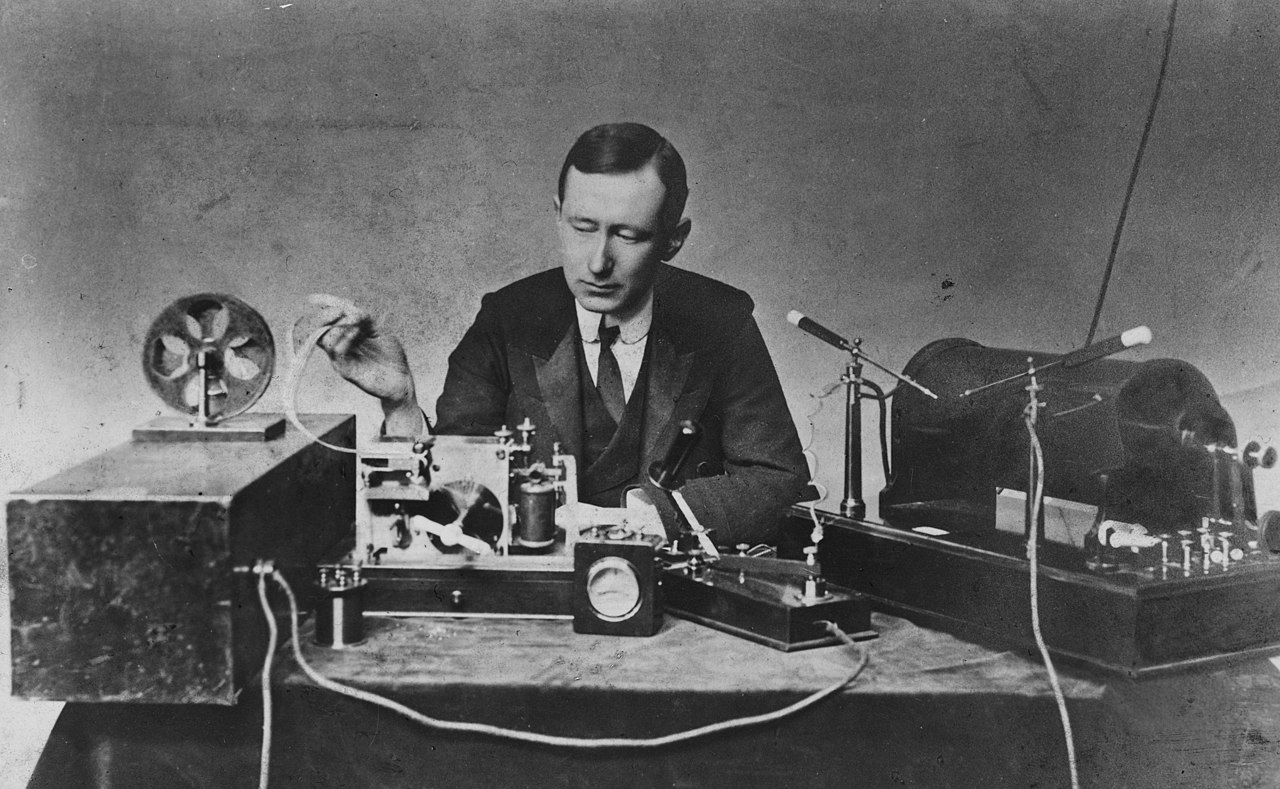
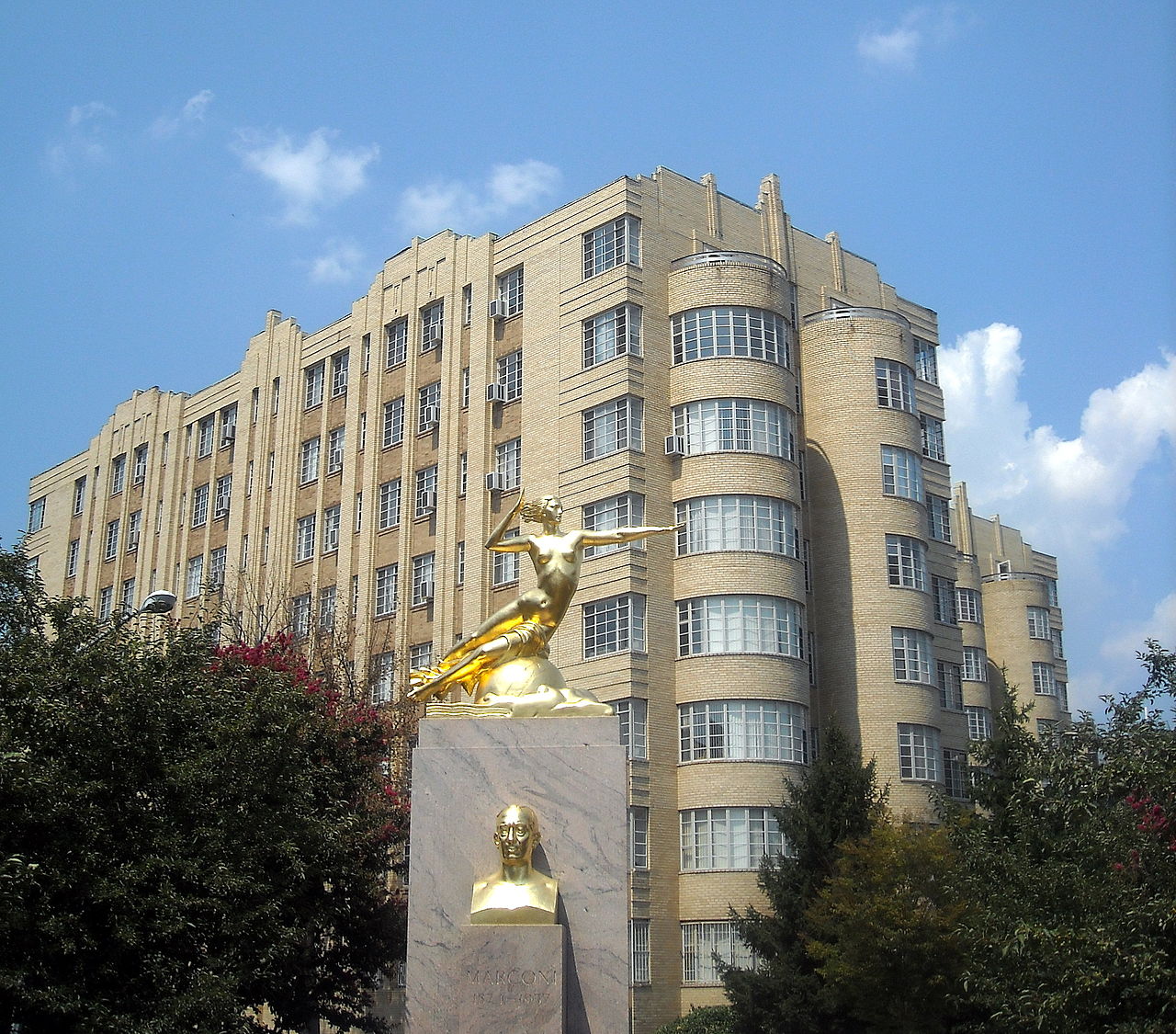
Guglielmo Marconi (1874–1937) was an Italian inventor and electrical engineer who turned early laboratory discoveries about electromagnetic waves into a practical system for wireless telegraphy. He is widely regarded as a central figure in the development of radio communications: he promoted methods for transmitting signals over long distances, established commercial services, and organized networks of coastal and shipboard stations that transformed maritime safety and global communications.
Image gallery
10 Images





Early life and experimental work
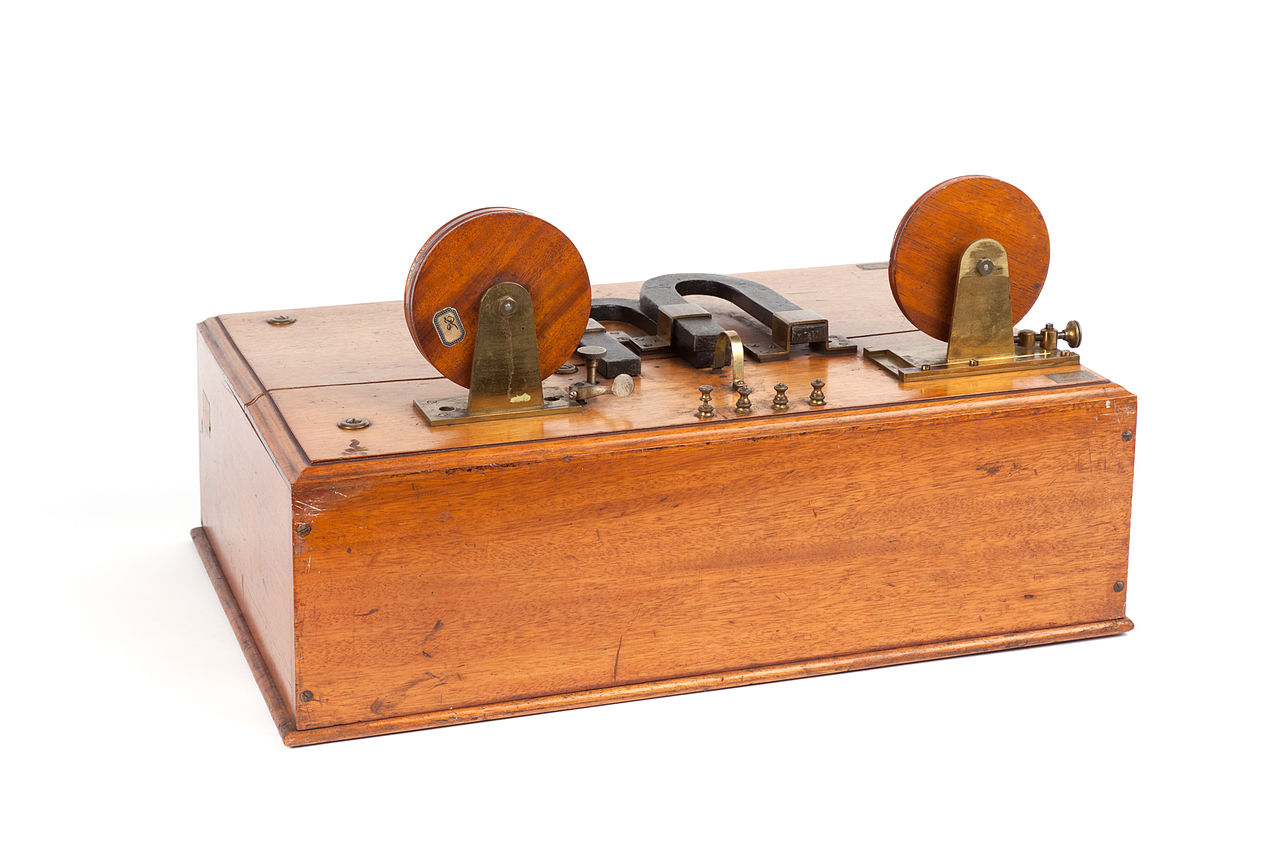
Born in Bologna, Marconi began experimenting in his early twenties with the reception and transmission of Hertzian waves. Building on laboratory work by Heinrich Hertz and the published experiments of contemporaries such as Alexander Popov, Jagadish Chandra Bose, Oliver Lodge and Nikola Tesla, he adapted antennas, tuning and spark-gap apparatus to extend range. His practical focus was to turn laboratory signals into a system capable of spanning real geographic distances; this effort led to early demonstrations across short distances and, later, to crossings of the English Channel and the Atlantic.
Key achievements and milestones
Marconi made several notable advances that helped make wireless telegraphy usable and reliable. These include improvements in antenna design, the use of tuned circuits to reduce interference, and the establishment of transmitting and receiving stations. Important milestones often associated with him are the founding of a wireless company in Britain, early cross-Channel tests and experiments that culminated in transatlantic communications. His work enabled ship-to-shore messages and played a decisive role in maritime rescue coordination.
Business, institutions and practical impact
As an entrepreneur Marconi founded The Wireless Telegraph & Signal Company in 1897 and later established national subsidiaries. These firms built commercial coastal stations and outfitted ships with wireless apparatus, creating the first organized wireless networks. The commercial and safety applications of his systems—especially for shipping—helped create demand for radio equipment and trained operators. Marconi’s companies also sponsored research and station construction that accelerated adoption worldwide.
Recognition and controversies
Marconi shared the 1909 Nobel Prize in Physics with Karl Ferdinand Braun for contributions to wireless telegraphy. His work, however, did not occur in isolation; credit for the invention of radio has been debated, with various inventors and experimenters cited for earlier or parallel discoveries. Patent disputes and historical reinterpretations have highlighted contributions by other researchers while acknowledging Marconi’s role in commercialization and system integration. Later in life he received honors and titles, and he remained an influential public figure in Italy and abroad.
Legacy and significance
Marconi’s legacy combines scientific, commercial and social elements. He helped transform electromagnetic theory into technologies with everyday impact: news, emergency communication, and broadcasting evolved from the networks he helped create. Institutions he founded continued to influence radio engineering and standards. For further reading on his life, technical work and the broader history of radio, see dedicated biographies and technical histories that document both his inventions and the contributions of his contemporaries.
- See a brief biography: Marconi biography
- Technical history resources: radio development
- Contemporary accounts and patents: patent history
- Institutions and companies he founded: Marconi companies
- Context on related inventors and debates: invention debates
Questions and answers
Q: Who was Guglielmo Marconi?
A: Guglielmo Marconi was an Italian inventor and electrical engineer.
Q: What was Marconi's contribution to radio technology?
A: Marconi was a pioneer of long-distance radio transmission, which he used to build up a radio telegraph system. He is often named as the inventor of radio.
Q: Did Marconi work alone in developing radio technology?
A: No, much of Marconi's work in radio transmission was built on previous experimentation and work by others, including Hertz, Popov, Lodge, Bose, and Tesla.
Q: Did Marconi receive any recognition for his work in radio technology?
A: Yes, Marconi shared the 1909 Nobel Prize in Physics with Karl Ferdinand Braun for his work on radio transmission.
Q: How did Marconi become wealthy from radio technology?
A: As an entrepreneur, businessman, and founder of The Wireless Telegraph & Signal Company in Britain in 1897, Marconi became wealthy in the business of radio, mainly for ships at sea.
Q: What title did Marconi receive in 1924?
A: Marconi was ennobled as Marchese Marconi in 1924.
Q: What was Marconi's political affiliation later in life?
A: Back in Italy, Marconi went on to become a member of the Grand Council of Fascism.
Related articles
Author
AlegsaOnline.com Guglielmo Marconi: Pioneer of Wireless Telegraphy and Radio Communication Leandro Alegsa
URL: https://en.alegsaonline.com/art/120093
Sources
- ieeexplore.ieee.org : "Guglielmo Marconi – the father of long distance radio communication – an engineer's tribute"
- nobelprize.org : Guglielmo Marconi: The Nobel Prize in Physics 1909
- ieeexplore.ieee.org : "Welcome to IEEE Xplore 2.0: Sir J.C. Bose diode detector received Marconi's first transatlanticwireless signal of December 1901 (the "Italian Navy Coherer"Scandal Revisited)"
- telegraphindia.com : "Cambridge 'pioneer' honour for Bose"
- books.google.com : Every-day science
- books.google.com : Icons of invention: the makers of the modern world from Gutenberg to Gates
- books.google.com : Ingenious Ireland: a county-by-county exploration of the mysteries and marvels of the ingenious Irish