
Grand Duke Alexei Alexandrovich of Russia (1850–1908)
Russian grand duke and naval leader, son of Alexander II; Naval officer, goodwill visitor to the United States and Japan, later General-Admiral who presided over modernization and was criticized after the Russo-Japanese War.
Grand Duke Alexei Alexandrovich (1850–1908) was a prominent member of the Romanov dynasty and a lifelong officer of the Imperial Russian Navy. Born in Saint Petersburg, he was the sixth child of Emperor Alexander II and Empress Maria Alexandrovna. From childhood he was prepared for a naval career and combined public ceremonial duties with extended periods of service at sea. He remained a visible representative of the royal family in foreign diplomacy and naval affairs throughout his life.
Image gallery
10 Images


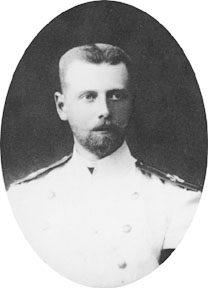
Early life and family background
As a younger son of the emperor, Alexei Alexandrovich grew up within the imperial court but was steered into a single professional path: the navy. Training began in youth, and by early adulthood he held commissioned rank and spent significant time aboard Russian vessels and visiting naval installations. His position in the family placed him close to the central events of late 19th-century Russian politics, while his naval appointment gave him a specialized public role distinct from dynastic succession.
Naval career and international missions
Alexei's career combined operational service and ceremonial diplomacy. He rose through naval ranks and in the 1870s undertook extended foreign visits intended to strengthen ties and portray Russian maritime presence abroad. These missions included stops in Asia and North America, where he represented the empire at receptions, ship visits, and official gatherings. Over the years he became associated with efforts to modernize the fleet and to improve naval facilities at home.
- Trained and served in the Russian Imperial Navy from childhood to senior rank.
- Undertook goodwill naval visits to countries such as the United States and Japan.
- Appointed to the highest ceremonial naval office of General-Admiral in the 1880s.
In 1883 he was named General-Admiral, the senior naval position that combined public leadership with influence over shipbuilding priorities, port improvements and the patronage of naval institutions. During his incumbency the navy embarked on programs of re-armament and expansion that reflected broader European trends: construction of modern armored ships, development of dockyards and an emphasis on coastal defense and squadron readiness.
Criticism, the Russo-Japanese War and later years
The disastrous course of the Russo-Japanese War (1904–1905), and particularly the crushing defeat at the Battle of Tsushima, prompted intense reappraisal of the navy's readiness and of those who had overseen it. Although Alexei's role had been largely administrative and ceremonial in later decades, he—like other senior officials—faced criticism for the strategic and material weaknesses that emerged in 1904–1905. In the aftermath he was relieved of active command during the broader reorganization of naval leadership.
After stepping back from command, the grand duke remained a public figure until his death in Paris in 1908. Historians and contemporaries have offered mixed assessments of his career: some emphasize his long service, diplomatic visibility and support for modernization; others point to structural problems in the navy that became tragically evident in wartime. His life illustrates the tensions between ceremonial monarchy, technical modernization and the strategic demands of an industrial-age navy.
Notable aspects of his legacy include his role as a naval patron and international emissary, the modernization programs initiated during his tenure, and the enduring debate over accountability for pre-war naval policy. For readers seeking further primary-source material or detailed studies, archives and specialized naval histories provide extended documentation and analysis of the period.
Related articles
Author
AlegsaOnline.com Grand Duke Alexei Alexandrovich of Russia (1850–1908) Leandro Alegsa
URL: https://en.alegsaonline.com/art/120017