
Glenn Branca: Avant‑Garde Composer and Experimental Guitarist
Overview of Glenn Branca (1948–2018), his music, techniques, ensembles, influence on rock and contemporary composition, and notable collaborators.
Glenn Branca (October 6, 1948 – May 13, 2018) was an American avant‑garde composer and guitar ensemble leader whose work blurred the line between experimental classical music and amplified rock. He became known for loud, spectrum‑based pieces that explored alternative tunings, sustained tones, and large guitar orchestras.
Image gallery
6 Images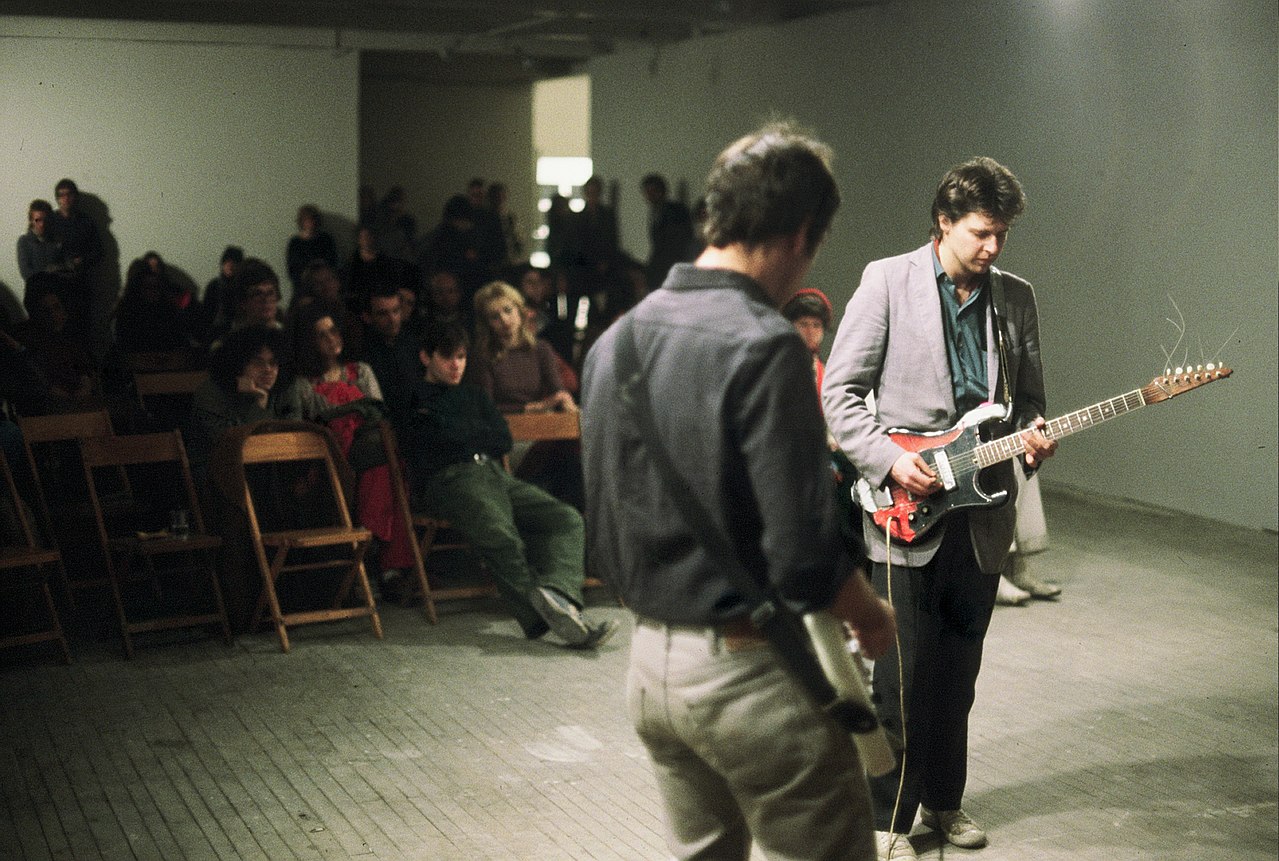


Musical approach and techniques
Branca emphasized pure sonority and physical acoustics over conventional melody. His pieces frequently used nonstandard guitar tunings, extreme amplification, repeated patterns, and a focus on overtones and beating. He drew on concepts such as droning textures and the harmonic series to create dense, evolving sound fields that could be both visceral and formally rigorous.
Groups, collaborators, and recordings
Beginning in the late 1970s Branca organized ensembles that ranged from small electric lineups to massive guitar orchestras. Early members included musicians who later became prominent in alternative rock: Thurston Moore and Lee Ranaldo of Sonic Youth, Page Hamilton of Helmet, and several artists linked with the New York no‑wave and post‑punk scenes. His records and performances documented a hybrid practice that influenced both underground rock and contemporary composition.
Legacy and recognition
Branca received critical attention for his innovations and was awarded a Foundation for Contemporary Arts Grants to Artists Award in 2009. His work is cited for expanding the vocabulary of electric guitar and demonstrating how amplified instruments can function in large, orchestral contexts rather than simply as vehicles for riffs.
Notable facts
- Branca staged pieces for ensembles of multiple electric guitars and percussion.
- His teaching and collaborations helped launch careers of musicians who crossed between experimental music and mainstream rock.
- He died of throat cancer on May 13, 2018, at age 69.
Today Branca is remembered both for his singular sonic experiments and for connecting downtown avant‑garde practices with the aesthetics of alternative rock, leaving a body of works that continues to be performed and reexamined.
Related articles
Author
AlegsaOnline.com Glenn Branca: Avant‑Garde Composer and Experimental Guitarist Leandro Alegsa
URL: https://en.alegsaonline.com/art/119897
Sources
- facebook.com : "Reg Bloor"