
Giulio Andreotti: Italian statesman and long-serving Christian Democrat
Giulio Andreotti (1919–2013) was an influential Italian Christian Democrat who served several terms as prime minister and held many key ministries; a dominant figure in postwar Italian politics.
Giulio Andreotti (14 January 1919 – 6 May 2013) was a central figure in Italian politics across the second half of the twentieth century. A member and leading exponent of the Christian Democracy party, he combined longevity in office with a reputation for political caution and tactical skill. Andreotti served multiple terms as Prime Minister and occupied a wide range of ministerial posts over a career that stretched from the 1940s into the early 21st century.
Image gallery
10 Images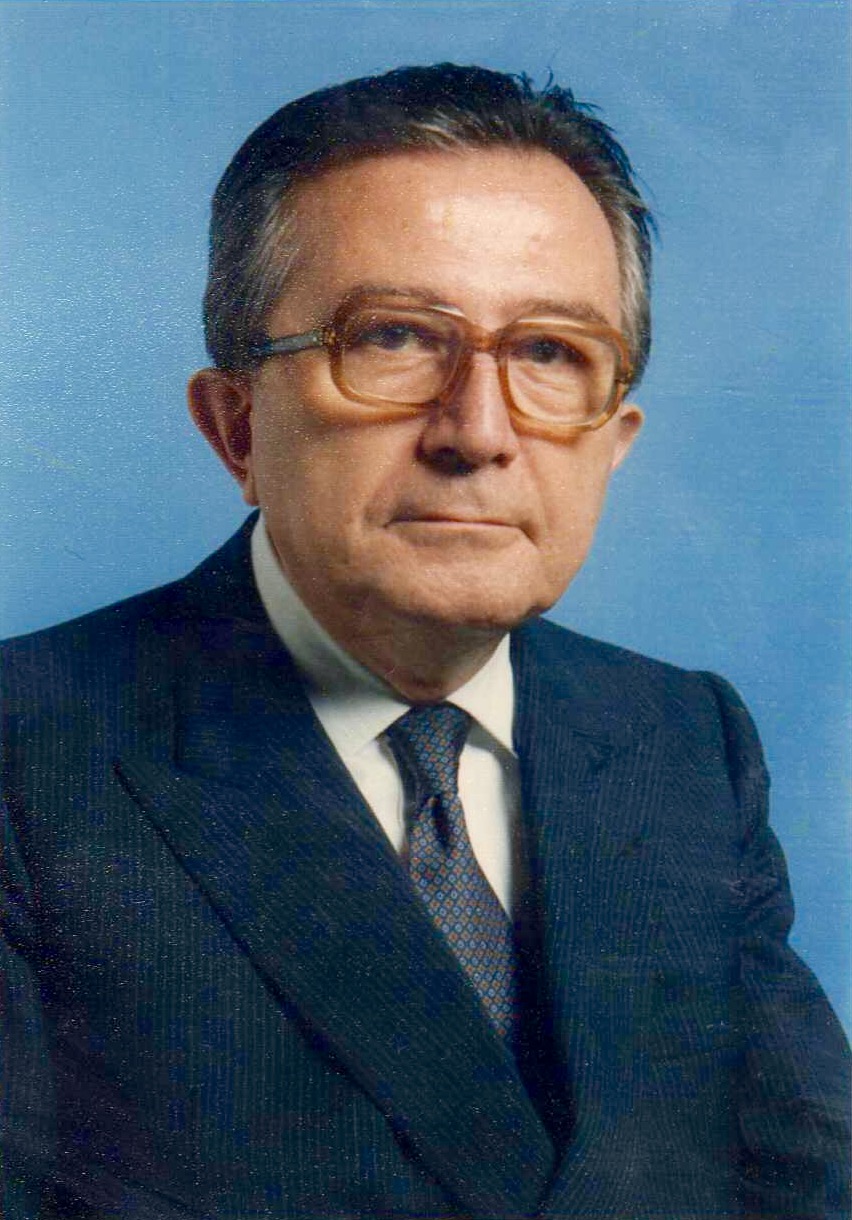
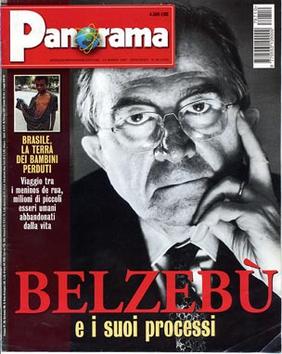


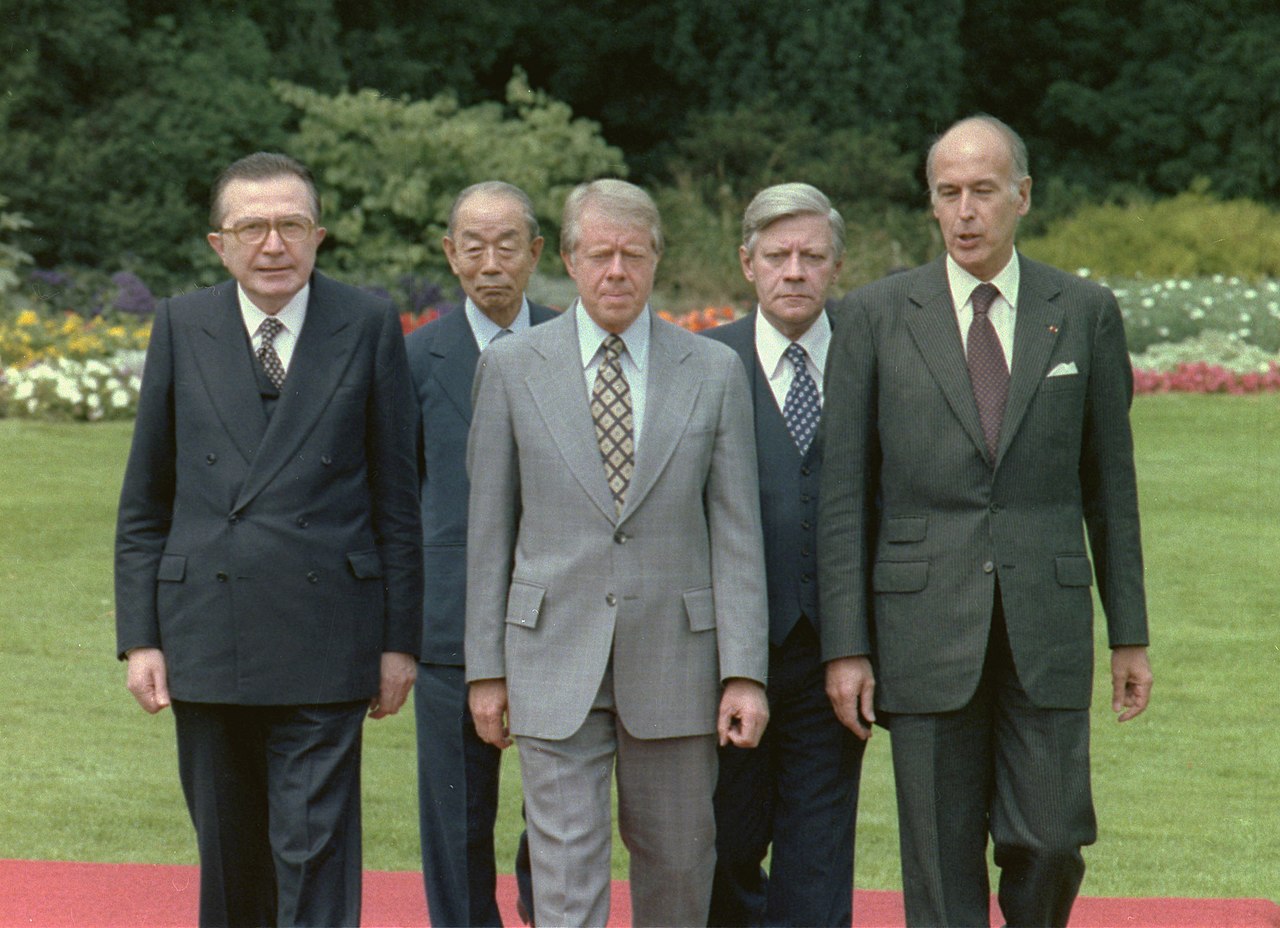


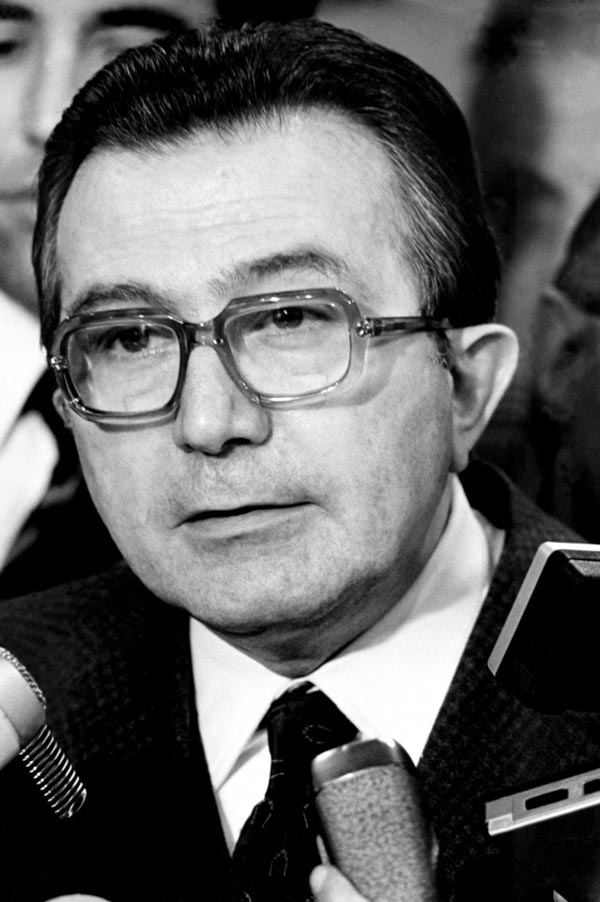
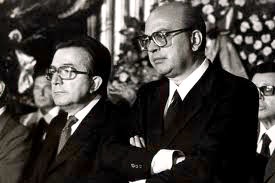
Political career and major offices
Andreotti held government office under many different cabinets and was known for his experience in domestic and international affairs. He served as Prime Minister of Italy in three separate periods and was later appointed a Senator for life. His public roles included:
- Prime Minister of Italy: 1972–1973, 1976–1979, 1989–1992
- Minister of the Interior (1954 and 1978)
- Defence Minister (1959–1966 and 1974)
- Foreign Minister (1983–1989)
- Senator for life from 1991 until his death in 2013
Background and personal life
Born in Rome, Andreotti studied at the University of Rome (La Sapienza) and began his public life as a journalist and author before rising through the ranks of Christian Democracy. He married Livia Danese in 1945; the couple had four children. In later life he was appointed to the presidency’s roster of life senators, a recognition reserved for a small number of distinguished public figures in Italy.
Style, influence and legacy
Andreotti was widely regarded as a consummate political operator: discreet, well-informed and adept at coalition-building in Italy’s often-fractured parliamentary system. His influence derived from decades-long continuity in government and his capacity to navigate shifting alliances. Analysts have credited him with shaping policy across defence, home affairs and foreign relations during periods of domestic unrest and Cold War tension.
Controversies and public image
His long career was accompanied by controversy. Andreotti faced extended judicial inquiries, including allegations relating to links with organized crime and to the 1970s political violence that plagued Italy; he was ultimately acquitted of the gravest charges. The combination of public success and legal scrutiny made him a polarizing figure. He has also been the subject of cultural portrayals, most notably in film and literature, which have explored both his public achievements and the darker questions surrounding his tenure.
Andreotti’s death on 6 May 2013, in Rome, was reported as due to respiratory complications. Evaluations of his record vary: supporters emphasize his role in stabilizing Italy’s postwar governance, while critics point to the moral ambiguities and unresolved questions that accompanied an unusually long stay in power. For a concise overview of his life and career, consult comprehensive biographies and contemporary accounts that place his actions in the context of Italy’s turbulent twentieth-century history.
Related articles
Author
AlegsaOnline.com Giulio Andreotti: Italian statesman and long-serving Christian Democrat Leandro Alegsa
URL: https://en.alegsaonline.com/art/119868
Sources
- nytimes.com : "Giulio Andreotti, Premier of Italy 7 Times, Dies at 94"
- udc-italia.it : "Gianpiero D'Alia: Greetings, Andreotti always set an example for us"
- bbc.co.uk : "Giulio Andreotti: Ex-Italian prime minister dies"
- guardian.co.uk : "Giulio Andreotti, former Italian prime minister, dies aged 94"