
Gerhard Berger (Austrian Formula One driver)
Overview of Gerhard Berger, an Austrian former Formula One driver, his career, teams, post‑racing roles and notable facts about his life in motorsport.
Overview
Gerhard Berger is an Austrian former Formula One driver, born in Wörgl in 1959. Recognized for a long and successful presence in top‑level single‑seater racing, Berger combined raw speed with technical feedback and a reputation for determination. He remains a prominent figure in motorsport circles and in Austria's sporting history.
Image gallery
9 Images



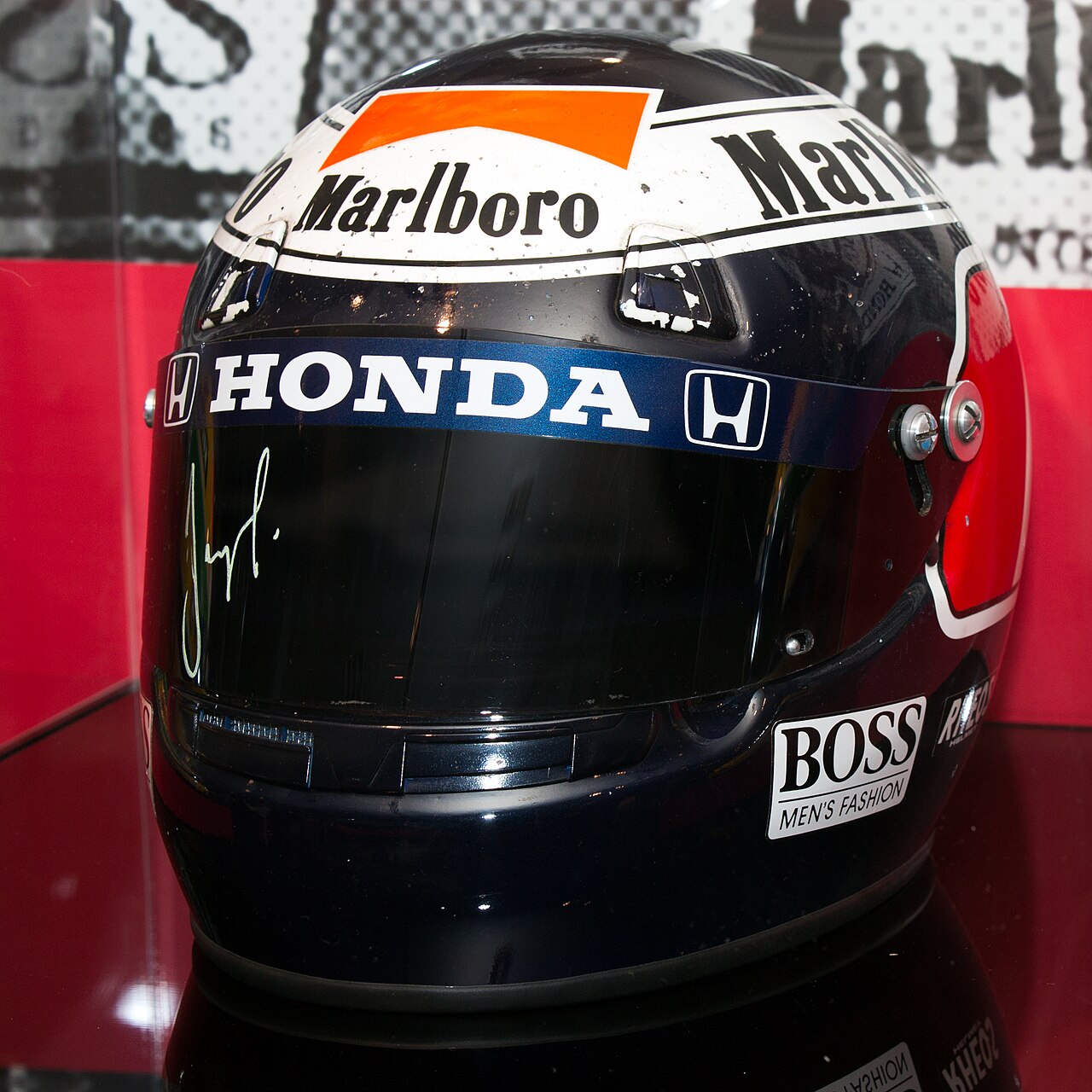


Racing career and characteristics
Berger competed in Formula One across the 1980s and 1990s, driving for a sequence of well‑known teams. He was admired for his adaptability to different cars and conditions, aggressive yet calculated overtaking, and his ability to score strong results under pressure. His driving style blended late braking and momentum preservation, traits valued by engineers and teammates alike.
- Teams he raced for included ATS, Arrows, Benetton, Ferrari and McLaren.
- He achieved multiple Grand Prix victories and numerous podium finishes.
- Berger forged notable on‑track rivalries and friendships, including with contemporaries such as Ayrton Senna.
Later roles and contributions
After retiring from active competition, Berger moved into management and advisory roles within motorsport. He became a part‑owner of the Scuderia Toro Rosso team and later sold his stake back to energy drink entrepreneur Dietrich Mateschitz. Throughout his post‑driving career he has been involved in team development, driver mentoring and various promotional activities for motor racing.
Legacy and notable facts
Berger is often cited as one of Austria's most successful racing exports. His name is linked with a generation that bridged turbo and naturally aspirated eras of Formula One, and he helped raise the profile of Austrian motorsport internationally. For more on his background and career highlights see general references about Austrian drivers and teams associated with his career, including contributions to the national motorsport scene (Austria) and histories of Scuderia Toro Rosso operations.
While statistics and season‑by‑season detail are best consulted in dedicated records, Berger's influence is visible in team leadership, ongoing public appearances and the continued interest he attracts among fans and historians of the sport.
Related articles
Author
AlegsaOnline.com Gerhard Berger (Austrian Formula One driver) Leandro Alegsa
URL: https://en.alegsaonline.com/art/119724